
New Delhi, May 11, 2026, 15:32 IST
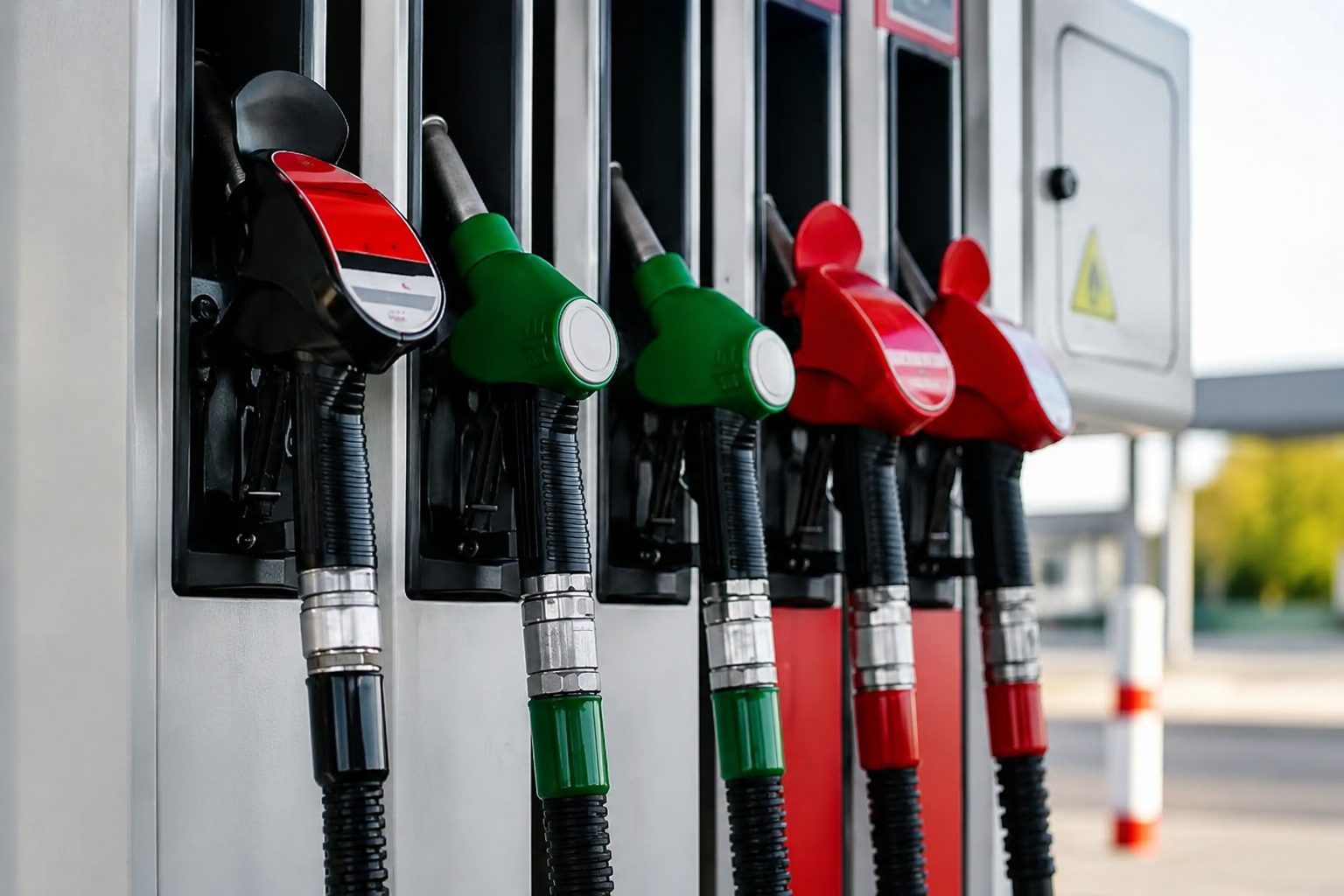
State-backed fuel giants in India have eaten up more than ₹1 lakh crore in under-recoveries over the last 10 weeks, piling on the heat for the government to rethink petrol and diesel pricing, though pump prices held steady Monday. Indian Oil Corp, Bharat Petroleum Corp, and Hindustan Petroleum Corp are racking up daily losses of around ₹1,600 crore to ₹1,700 crore, according to sources cited by PTI.
The pressure is building as global crude prices surge, yet India keeps retail fuel prices fixed to protect buyers. Under-recovery refers to the difference between what’s charged locally and the cost tied to benchmarks. It doesn’t always translate to a straight cash loss, but higher crude bills can squeeze profits and tie up working capital.
Prime Minister Narendra Modi pushed fuel-saving measures over the weekend, giving the topic new urgency in the markets. He pressed for work-from-home, public transit, carpooling and cutting back on foreign trips, with India’s foreign exchange reserves feeling the squeeze from soaring energy prices.
No shift in retail fuel prices as of May 11. Petrol in Delhi stayed at ₹94.77 per litre, diesel unchanged at ₹87.67. In Mumbai, city data showed petrol still at around ₹103.50, diesel at ₹90.01.
No retail price hike has been announced. Asked if prices would stay frozen, Sujata Sharma, joint secretary at the petroleum ministry, sidestepped a direct answer. “The endeavour so far has been to see that there is no price increase,” she told reporters at a briefing. The Economic Times
Crude’s surge just got bigger. Brent futures spiked 4% in Asia, hitting $105.7 a barrel, after Reuters said U.S.-Iran peace negotiations stalled. That’s a fresh worry for India: higher import costs, inflation pressure, and a wider current account gap.
The worry showed up fast in Indian markets. Nifty 50 dropped 1.16% in early trade, Sensex shed 1.28%, and the rupee dipped 0.7% to trade below 95 per dollar. Indian Oil, BPCL, and HPCL all lost around 2.6%.
VK Vijayakumar, chief investment strategist at Geojit Investments, called the PM’s address “a crisis management response.” Sectors linked to fuel, travel, hotels, gold, and related demand all took a hit on sentiment, he said. Reuters
Anish De, who leads energy, natural resources and chemicals globally at KPMG, said India’s resilience to the energy shock “is eroding fast.” According to De, oil companies’ balance sheets have turned “very brittle,” since hefty extra costs for petrol and diesel haven’t been passed along. Business Standard
State-run retailers opted for targeted price hikes rather than a blanket increase. Indian Oil bumped up rates for industrial LPG and jet fuel supplied to foreign airlines starting May 1, but kept household LPG and jet fuel for domestic carriers steady.
Reliance Industries, the private-sector giant, hasn’t escaped the pressure either. Last month, Reuters reported that the operator of the world’s largest refining complex pointed to “unprecedented” supply disruptions and a steep drop in profit in its March-quarter results. Reuters
Inflation’s in focus too. According to a Reuters survey of 46 economists, India’s consumer prices likely rose to 3.80% in April after coming in at 3.40% for March—higher fuel costs starting to show up at the checkout. Rahul Bajoria, who heads India and ASEAN economic research at BofA Securities, flagged both pricier food and some global energy cost pass-through as drivers for the expected uptick in headline inflation.
A sudden drop in crude or a fresh government fiscal action could derail a near-term hike call. Still, New Delhi maintains it isn’t planning any compensation for state-run fuel retailers selling transport fuels below market prices. The Centre has already slashed fuel excise duties—a move that, according to reports, is costing about ₹14,000 crore each month in lost revenue.
There’s no easy fix here. Policymakers can push more of the oil price hit onto consumers, take on debt or postpone payments to the oil firms, or let the government budget shoulder more of the burden. Every option stings. Delhi, not the gas stations, will probably call the next shot.