From “cold calling” to accidental flashlights, generational phone habits are clashing in 2026—while Brick devices, analogue bags, and screen-free routines surge.
Published: January 10, 2026
As 2026 begins, a new “phone reset” mood is spreading fast: people aren’t just trying to scroll less—they’re rethinking what counts as polite (and what feels intrusive) when a device is always within reach.
That cultural shift is showing up everywhere: in the rise of “appstinence” gadgets that physically block apps, in viral “analogue bag” routines that replace doomscrolling with crosswords and sketchbooks, and in surveys suggesting large chunks of the public are actively trying to disconnect. (Business Insider)
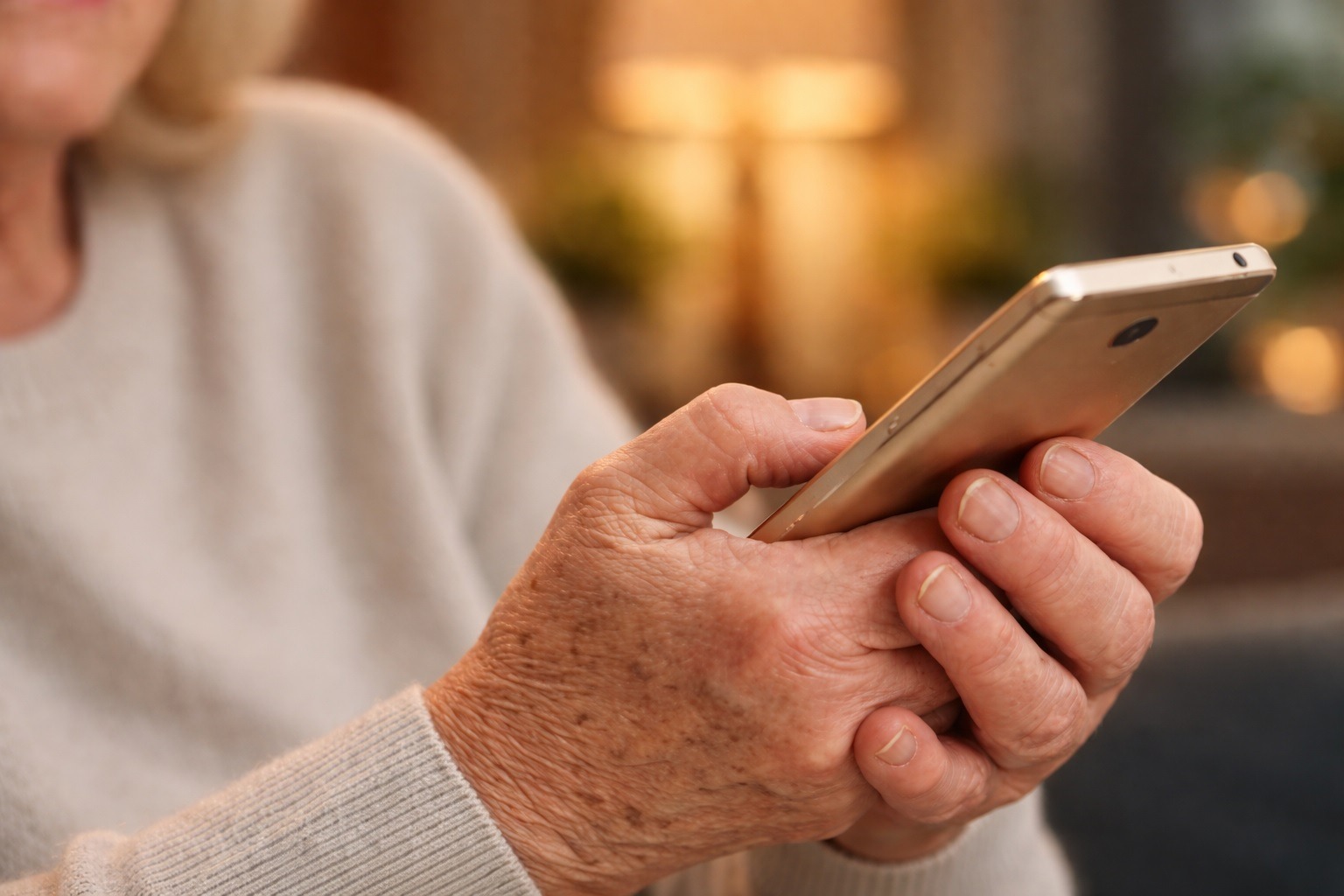
But the most relatable spark is also the simplest: a generational argument over everyday phone behavior—especially the habits younger people say “older folks” do that drive them crazy.
The 4 phone habits that trigger the biggest generational eye-rolls
A HuffPost-linked list circulating again this January (summarized by iHeartRadio) captures the core complaints—and they’re less about technology and more about expectations. (WCOS)
1) “Cold calling” (calling without texting first)
For many Gen Z users, an unexpected call feels jarring. The critique isn’t that calls are bad—it’s that a call without warning can feel demanding, like you’re forcing someone to drop whatever they’re doing. (WCOS)
2) Sending long texts like letters
Etiquette expert Diane Gottsman (quoted in the same roundup) says her Gen Z kids prefer messages broken into shorter texts, and she warns against “announcing yourself” (“this is mom”) or over-commenting in group chats. (WCOS)
3) Not locking the phone screen (leading to pocket dials)
This one is a practical frustration: accidental calls and mystery voicemails. Younger relatives see it as an avoidable annoyance—especially when it happens repeatedly. (WCOS)
4) Accidentally turning on the flashlight
It’s the modern equivalent of leaving your turn signal on. One barista quoted in the roundup described older customers unintentionally shining phone flashlights into workers’ eyes while ordering. (WCOS)
None of these habits are exclusive to one age group—and plenty of younger people do them too. But the pattern is useful because it exposes the real issue: we all use the same devices, but we’re operating under different “rules.”
Why this isn’t just “kids vs. boomers”—it’s a bigger screen-time story
The timing matters. These etiquette debates are resurfacing just as phone fatigue becomes one of the defining lifestyle narratives of early 2026.
In a Business Insider piece published today, one writer describes “bricking” her phone at night using a $59 Brick device—a physical, app-connected gadget that blocks selected apps until you tap again, framing screen-time reduction as the new version of Dry January. (Business Insider)
At the same time, The Wall Street Journal is reporting a related home-design twist: more people want “screen-free sanctuaries” and “analog rooms” in their houses—spaces built for board games, music, and conversation instead of phones and TVs. (The Wall Street Journal)
The through-line is clear: the phone is no longer just a tool—it’s a habit environment. So etiquette clashes (when is it OK to call? how long should a text be?) are becoming proxies for deeper questions about attention, stress, and boundaries.
Today’s key headlines on phone habits and “going analog”
Here’s what’s driving the conversation on January 10, 2026.
“Analogue bags” are turning doomscrolling into a packing list
The Guardian reports that millennials and Gen Z are embracing the “analogue bag”—a tote stocked with offline activities like novels, journals, knitting, and crosswords, designed to make staying off your phone easier in real-world moments when you’d usually scroll. The term is credited to content creator Sierra Campbell, and one user calls it a “toy box for your attention span.” (The Guardian)
Campbell told the Guardian that she was inspired by The Power of Habit—keeping the cue and reward, but swapping out the routine—and said the approach helped cut her screen time significantly. The piece also quotes psychologist Pete Etchells, who argues we often aren’t “addicted” so much as we’ve formed powerful habits around phones. (The Guardian)
Half of Americans say they’re deliberately disconnecting—especially Gen Z and millennials
A Talker Research survey of 2,000 Americans, published in today’s print edition context by the Laconia Daily Sun, found 50% say they’re making a point to spend less time on screens for their well-being. Gen Z (63%) and millennials (57%) were most likely to be doing this, compared with Gen X (42%) and baby boomers (29%). (The Laconia Daily Sun)
The same report says 84% are adding “analogue” behaviors—like writing notes in notebooks, reading printed books, and using paper calendars—and that respondents estimate much of their online time leaves them feeling more disconnected rather than connected. (The Laconia Daily Sun)
“Bad phone habits” are being treated like New Year’s resolutions
A poll of 2,000 smartphone owners cited in a January 9 iHeartRadio rundown found 47% want to spend less time on their phones in 2026, with the “top habits to kick” including digital clutter (duplicate photos), scrolling until sleep, and never cleaning the phone. (New Country 107.9 YYD)
A major telecom is funding screen-time education for kids
In Canada, Rogers says it will invest $50 million over five years to address excessive screen time among teens and tweens, including a national school program that brings professional athletes to schools to talk about healthier screen use. (Barrie 360)
UK tips: “digital clutter” is the habit people most want to ditch
Giffgaff’s January 9 post (also based on a survey of 2,000 smartphone owners) says the No. 1 habit people want to quit isn’t social media—it’s storage-killing digital clutter (duplicate photos). The post also includes behavioral psychologist Jo Hemmings describing notifications as a reward loop that keeps our brains on “high alert.” (Giffgaff)
So… what should “good phone etiquette” look like in 2026?
If the new year is pushing us toward “analog living,” the best etiquette changes are the ones that reduce friction without shaming anyone.
Here’s a practical playbook that addresses the exact habits people argue about—plus the broader digital-detox trend.
1) Before you call, send a one-line “permission” text
Try:
- “Free for a quick call?”
- “Can I call you in 10?”
- “Is this a good time to talk?”
This keeps the warmth of a real conversation without triggering the “cold call” shock that younger people complain about. (WCOS)
2) If your text is long, format it like a message—not a letter
Instead of one block:
- Use short paragraphs
- Add bullet points
- Put your “ask” at the top
- Save the story for the call if it’s emotional or nuanced
This matches what Gottsman describes about Gen Z preferences (and avoids the “wall of text” fatigue). (WCOS)
3) Prevent pocket dials with one setting: auto-lock
If you (or your parents) are prone to accidental calls, turning on a short auto-lock timer is an easy win—especially for people who keep phones in pockets or bags. (WCOS)
4) Fix the “flashlight problem” with a simple habit
The accidental flashlight complaint is usually a control-center or lock-screen bump issue. The quick fix is behavioral, not moral:
Before you walk into a store, meeting, or restaurant:
- glance once at your flashlight icon
- tap it off if needed
Low effort, high impact—and service workers will thank you. (WCOS)
5) Use “friction” on purpose: make the phone slightly harder to use
This is where the big 2026 trend comes in.
- Physical tools like Brick add a deliberate step before you can open tempting apps. (Business Insider)
- The Guardian’s screen-time experts also recommend small “friction” tricks—like putting a rubber band around your phone as a physical reminder to pause, or using hard limits and carefully chosen blockers rather than easily overridden app timers. (The Guardian)
- The “analogue bag” works on the same idea: keep your cue and reward, change the routine—swap scrolling for a crossword or sketchbook. (The Guardian)
6) Create one screen-free ritual that’s social
This is where etiquette and well-being overlap.
Pick one:
- phone-free meals
- a nightly “devices down” half-hour
- a weekend “analog morning”
Research and reporting this week suggests people feel more productive and present when they intentionally disconnect—and they’re replacing screens with social or hands-on activities, not just white-knuckling it. (The Laconia Daily Sun)
Phone hygiene is trending too—yes, the literal kind
Multiple surveys driving this January conversation list “never cleaning the phone” as a top habit people want to quit. (New Country 107.9 YYD)
If you’re going to make that resolution actionable, follow the manufacturers’ guidance:
- Apple says you can gently wipe iPhone exterior surfaces with a 70% isopropyl alcohol wipe, 75% ethyl alcohol wipe, or disinfecting wipes—while avoiding bleach, hydrogen peroxide, and moisture in openings. (Apple Support)
- Samsung similarly advises using alcohol-based solutions (over 70% ethanol or isopropyl alcohol) applied to a microfiber cloth—again avoiding excess moisture and not applying liquid directly. (Samsung)
- The FCC has also pointed consumers toward alcohol-based wipes/sprays (at least 70% alcohol) for disinfecting touch screens, echoing broader public-health guidance. (Federal Communications Commission)
A final note: older adults aren’t “behind”—their phone use is changing, too
It’s tempting to treat this as a comedy-of-manners story. But there’s a serious side: older adults are not only using smartphones more—they may also be at higher risk of isolation, scams, and unhealthy scrolling loops.
The Atlantic recently described a “phone-based retirement,” where adult children worry their parents are absorbed in phones during visits—mirroring the concerns parents once had about kids. The piece also quotes geriatric psychiatrist Ipsit Vahia emphasizing that older adults aren’t a monolith—and that tech use can sometimes protect against loneliness. (The Atlantic)
In other words: the etiquette clash is real, but so is the underlying need—connection.
The simplest 2026 rule that works for every generation
Ask before you interrupt.
That applies to calling, texting, scrolling at dinner, and even the way notifications steal attention.
And if you need help following it? January 2026 is offering plenty of options—from analogue bags to “bricking” your apps—because the biggest phone habit shift right now isn’t about features.
It’s about choosing when your phone gets to choose for you. (Business Insider)