Published: January 11, 2026
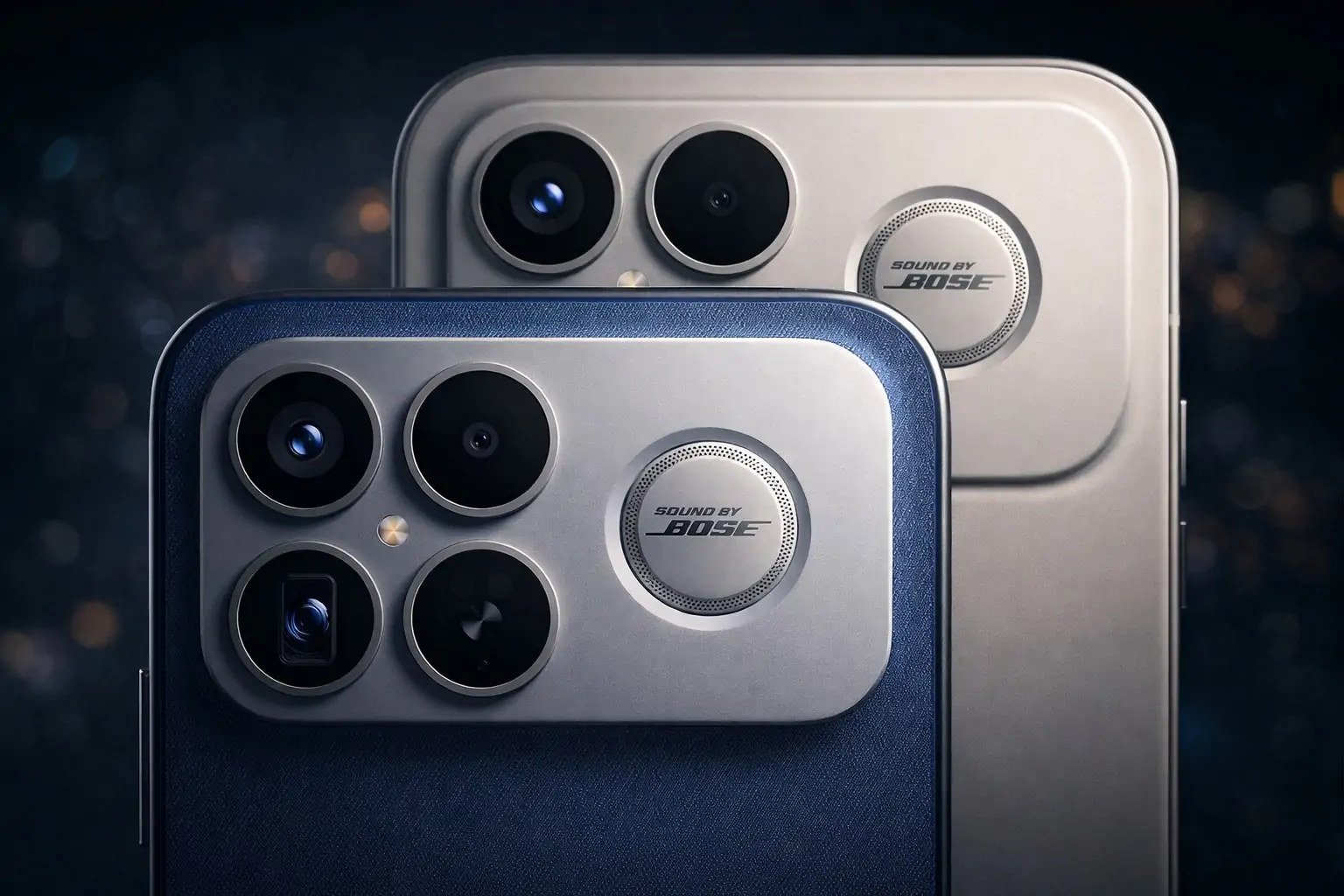
The Poco F8 Ultra is quickly becoming one of the most talked-about “value flagships” heading into 2026—not just because of its top-tier chipset and massive battery, but because it’s doing something rare in modern smartphones: pairing a 2.1-channel audio system (with a real mini subwoofer) with a design that’s more repair-friendly than many previous Poco F-series phones, according to the latest teardown coverage. (POCO)
Over the past few days, the phone has seen a surge of fresh coverage—from a teardown that spotlights its internal layout, to a deep gaming-focused performance test, to accessory guides centered on protecting its huge 6.9-inch display. Here’s everything new and notable as of January 11, 2026. (S24)
What’s new this week around the Poco F8 Ultra
Current headlines (Jan 6–10, still trending into Jan 11):
- A teardown video breakdown says the F8 Ultra scores 7/10 for repairability, with easier access to several key components—though the battery is still buried under layers of parts and adhesive. (S24)
- A long-form gaming/performance test calls the phone “almost unmatched” for running demanding Android titles and even emulation workloads—but warns that heat buildup is still the main limiter in long sessions. (Računalniške novice)
- A screen-protector buyer’s guide highlights several popular tempered-glass and privacy options, specifically because the F8 Ultra’s big screen is a major selling point. (Phandroid)
- A “launch recap” piece continues to emphasize the phone’s “headline trio”: flagship performance, Bose-tuned audio, and a 6,500mAh battery at an aggressive price. (Mycampus Store)
Teardown: better repairability than expected — but the battery is still the hard part
A teardown video making the rounds (credited to PBKreviews in multiple write-ups) suggests Poco has improved the F8 Ultra’s overall serviceability compared with earlier F-series models that were often criticized for being tough to repair. The teardown coverage points to a “relatively good” 7/10 repairability score, and notes that parts like the display and battery are replaceable—though sometimes with extra effort or tools. (S24)
What stands out in the teardown reporting:
- Reinforced structure: The teardown recap mentions a central aluminum frame that’s reinforced internally, including around the camera module. (S24)
- Thermal materials: Thermal pads and copper shielding layers are visible around the chipset and battery area. (S24)
- Subwoofer placement: The small subwoofer sits beneath the camera bump, making it a genuine internal component rather than a marketing label slapped on stereo speakers. (S24)
- Battery access remains tricky: Even though the device earns a decent repair score overall, the battery is described as not easily accessible, reportedly hidden under “dozens of components.” (S24)
Another teardown write-up calls out the “speaker on the back panel” area and notes that this region also houses the wireless charging coil, hinting at why the F8 Ultra’s internal layout is more complex than a typical slab phone. (Robotdyn)
Why this matters for buyers:
Repairability is turning into a real differentiator. Even if most people never open their phones, a design that’s easier to service can mean faster (and sometimes cheaper) repairs down the line—especially for battery replacements. The caveat: if the battery is still deeply layered, labor time can still be significant. (S24)
The tiny subwoofer is real — and it’s not just a spec-sheet flex
The Poco F8 Ultra’s most unusual hardware feature in 2026 might be its audio setup. Poco’s official product materials describe a “Sound by Bose Co-tuning” approach, paired with a 2.1-channel audio system: dual symmetrical stereo speakers plus an independent subwoofer designed for deeper bass and a wider soundstage. (POCO)
According to Poco’s spec descriptions:
- The system uses dual 1115F symmetrical stereo speakers alongside an “ultra-large 1620 independent subwoofer”. (POCO)
And in real-world impressions, one review notes something you don’t hear often about phone audio: the subwoofer can add physical vibration that makes gaming feel more immersive (even if it doesn’t transform the phone into a full Bluetooth speaker replacement). (Računalniške novice)
In other words, the F8 Ultra’s “subwoofer” isn’t just marketing—it’s a meaningful design choice that teardown reporting and hands-on testing both keep coming back to. (S24)
Performance: Snapdragon 8 Elite Gen 5 power with serious gaming focus
Poco positions the F8 Ultra as an “UltraPower” gaming-friendly flagship, built around the Snapdragon 8 Elite Gen 5 Mobile Platform plus a dedicated VisionBoost D8 chipset, according to its official product page. (POCO)
A few performance points being emphasized across current coverage:
- Sustained performance depends on cooling: Poco highlights a 6700mm² 3D dual-channel, dual-layer IceLoop cooling system, aimed at key heat sources like the SoC and camera module. (POCO)
- Real-world gaming results are strong: The long-form test reports it could run essentially every Android game tested at high settings, and it also discusses running Windows and Switch games through emulators—though settings tweaks are sometimes needed, and extended sessions still run into thermal ceilings. (Računalniške novice)
- Heat is still the big limiter: That same test notes CPU temperatures pushing beyond 60°C after an hour in many cases, with the battery reaching around 42–45°C. It also points out the phone lacks “bypass” charging, which can matter to gamers who like to plug in while playing. (Računalniške novice)
Poco also advertises internal benchmark claims—like an AnTuTu V11 score around 3.94 million—but as always, those are lab figures and will vary based on software and conditions. (POCO)
Display: 6.9-inch AMOLED, 3,500-nit peak brightness, Shield Glass protection
A huge part of the F8 Ultra’s appeal is simple: it’s a big-screen phone built for games, video, and multitasking.
Recent accessory coverage summarizes the panel as:
- 6.9-inch AMOLED
- 1200 × 2608 resolution
- 120Hz refresh rate
- Dolby Vision and HDR10+
- Peak brightness up to 3500 nits
- Poco Shield Glass on top (Phandroid)
Poco’s own product page adds important clarity on brightness: it specifies 3,500 nits peak brightness in a scenario where it covers 25% of the screen area outdoors under direct sunlight—a detail that often gets lost when people compare brightness numbers. (POCO)
A gaming-focused review also highlights:
- A high 2560Hz touch sampling rate (enabled via the phone’s Game Turbo)
- DC dimming (not PWM) as a comfort feature for users sensitive to flicker (Računalniške novice)
And for durability and daily practicality, the official listing emphasizes:
- POCO Shield Glass for scratch/impact resistance (POCO)
- IP68 dust and water resistance (tested in controlled lab conditions) (POCO)
Battery and charging: 6,500mAh plus 100W wired and 50W wireless
Battery capacity is another pillar of the F8 Ultra story. Poco states the phone uses a 6,500mAh (typ) silicon-carbon dual-cell battery, positioned as the largest battery capacity in the Poco F series. (POCO)
Charging is equally aggressive on paper:
- 100W wired HyperCharge
- 50W wireless HyperCharge
- A claim of 38 minutes to 100% wired (Poco internal testing) (POCO)
Poco also notes support for the 100W PPS universal charging protocol, which can be useful if you already own compatible high-wattage chargers (or if box contents vary by region). (POCO)
One “launch recap” article goes further, claiming the charger is included in the box and suggesting “fast mode” charging around 40 minutes, but these details can differ by market and retailer bundles—so treat that as market-specific rather than universal. (Mycampus Store)
Best Poco F8 Ultra screen protectors: top picks and what to prioritize
With a large 6.9-inch AMOLED display, it’s no surprise that accessory coverage is ramping up quickly—especially screen protection.
A recent guide highlights several popular options, including:
- Ibywind tempered glass (with alignment frame and camera lens protector)
- Suttkue tempered glass options (with or without camera lens protectors)
- Anbzsign privacy protector (anti-spy viewing angles)
- Guyhahanyer tempered glass pack (emphasizing clarity and anti-fingerprint coatings) (Phandroid)
How to choose the right protector for the Poco F8 Ultra:
- If you game a lot, prioritize high transparency and reliable touch response (especially with high touch sampling). (Računalniške novice)
- If you commute or work in public, a privacy screen can be worth the slight dimming tradeoff. (Phandroid)
- If you hate installation bubbles, look for kits with an alignment frame. (Phandroid)
Even though the phone ships with Poco Shield Glass, a protector can still take the brunt of micro-scratches from keys, sand, and grit—especially on a device aimed at gamers who travel with controllers and accessories. (Phandroid)
Price, value, and the “crazy performance” narrative
One reason the Poco F8 Ultra keeps landing in headlines is the familiar Poco formula: flagship-grade core specs at a lower price than many top-tier rivals.
A recent test/review pegs a 16GB/512GB configuration at around €750, framing it as a highly competitive price for the performance class—while also suggesting the cheaper storage option could save roughly €50. (Računalniške novice)
That same review argues that the Poco F8 Pro may be a smarter buy for some people, since it costs less and still delivers high-end performance—reinforcing that Poco is positioning the F8 line as a value ladder rather than a single “one-size-fits-all” flagship. (Računalniške novice)
What to watch before buying: heat, HyperOS quirks, and enthusiast limitations
Even positive coverage isn’t pretending the F8 Ultra is flawless.
In the most detailed recent test, the biggest cautions are:
- Thermals: excellent performance, but heat rises in long sessions, and external cooling accessories may still be helpful for marathon gaming. (Računalniške novice)
- HyperOS experience: described as stable after weeks of use, but with strict background behavior (sometimes requiring manual permissions), plus the possibility of ads in some system apps. (Računalniške novice)
- Enthusiast friction: unlocking the bootloader is described as harder than before, which matters to power users who like custom ROMs and deep system tweaks. (Računalniške novice)
On the bright side, that review also claims stronger long-term support than older Poco patterns, stating the F8 Ultra is set to receive four Android upgrades and six years of security patches (with the real test being delivery speed and consistency over time). (Računalniške novice)
The bottom line for Jan 11, 2026
The story of the Poco F8 Ultra right now is bigger than “fast phone, big battery.”
What’s pushing it into the spotlight is the combination of:
- A teardown narrative that suggests meaningful repairability progress (rare praise in 2026) (S24)
- A genuinely unusual audio hardware choice—a Bose-co-tuned 2.1 system with an actual subwoofer, not just louder stereo speakers (POCO)
- Flagship gaming performance that holds up in real tests, with heat being the main practical limit (Računalniške novice)
- A display that’s built for the modern “everything phone” lifestyle, backed by 3,500-nit peak brightness claims and Shield Glass durability (POCO)
If Poco can keep improving sustained thermals and deliver on long-term software support, the F8 Ultra could end up being one of the defining “value flagships” of early 2026. (Računalniške novice)