
SYDNEY, May 4, 2026, 06:08 AEST
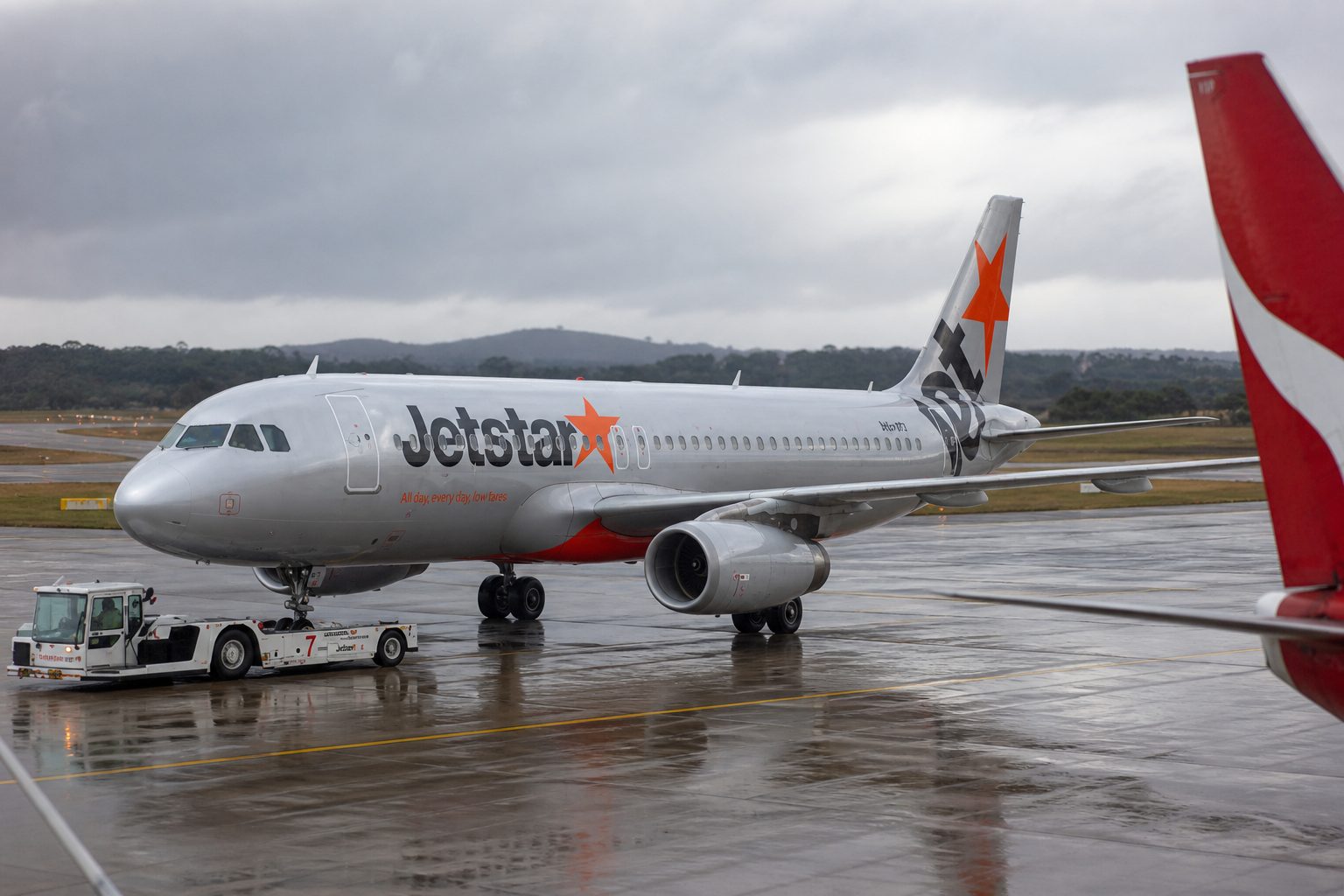
Qantas and Jetstar aren’t restoring domestic capacity any time soon—cuts will stick around through the end of September, keeping seat numbers down on main capital-city routes in Australia. The group is also nudging back some international services for the July-September window, redirecting extra planes to Europe instead, where demand continues to prove resilient.
Australia’s aviation fuel crunch isn’t just a blip anymore; it’s beginning to shape winter flight schedules. On Friday, the federal government announced it had locked in two extra shipments—100 million litres of jet fuel, plus another 50 million litres of diesel. Those are in addition to eight cargoes previously secured with BP Australia, Ampol and Viva Energy.
Qantas flagged a surge in jet fuel costs, saying prices have more than doubled since its last half-year update. That’s left its second-half fuel bill tracking somewhere between A$3.1 billion and A$3.3 billion. While the airline said it’s hedged about 90% of its crude exposure, it remains highly vulnerable to jet refining margins — the difference between crude prices and what it actually pays for refined jet fuel.
The domestic reduction is five percentage points from the earlier outlook for first-quarter fiscal 2027, hitting Qantas and Jetstar routes between major cities the hardest. Qantas is notifying impacted travelers, giving them options for alternate flights or refunds.
Qantas is pausing its Sydney-Bengaluru flights starting August, with plans to keep the route suspended through late October. Both Qantas and Jetstar are also paring back seats on trans-Tasman routes, which cover Australia and New Zealand. These moves will trim the group’s international capacity for the quarter by two percentage points from earlier plans.
The shift isn’t just about pulling capacity. Qantas is extending extra Perth-Rome flights through October, while Paris gets three weekly return services starting August, routed through Singapore. In total, that’s roughly 2,000 more seats each week on Qantas routes between Australia and Europe, the airline says.
Competitors are facing similar headwinds, but their responses vary. Virgin Australia expects an additional A$30 million to A$40 million in fuel expenses for the second half, and plans to trim domestic capacity by 1% in the fourth quarter. Air New Zealand, for its part, previously announced it would cut around 5% of flights through early May as rising fuel prices take their toll.
There’s a risk that both supply and prices could stay unsettled for longer than hoped. UBS analyst Jarrod Castle flagged “jet kerosene supply and price” as ongoing worries, even with the conflict on hold. Lufthansa Chief Executive Carsten Spohr echoed that, saying kerosene would remain “in short supply” and pricier through the year. Reuters
AerCap CEO Aengus Kelly told analysts that airlines haven’t really shifted their behavior yet in response to pricier fuel, but stretched-out high costs—three to six months or more—would start to hit profits and put pressure on balance sheets. If that drag persists, Kelly said, carriers could look to shore up cash by turning to more sale/leaseback deals.
Australia’s official numbers point to steady fuel supplies for now. According to the Fuel Supply Taskforce, fuel arrivals are tracking as forecast, jet fuel stockpiles covered 28 days of typical demand as of April 28, and 50 tankers carrying clean refined products were en route to Australia by May 1.
Travellers are faced with a straightforward impact: less availability on domestic routes, scaled-back Trans-Tasman flights, and a ramp-up in Qantas services headed for Europe. What really matters now is whether the airline sticks to the September timeline, instead of letting this short-term reduction spiral into higher fares or even steeper route cuts.