
Sydney, April 24, 2026, 07:59 AEST
- Qantas and QantasLink came out ahead of Virgin Australia’s network for on-time arrivals and departures in March, according to new federal data.
- Qantas is grappling with higher fuel bills and has trimmed capacity, all while rolling out a domestic fare sale as the result comes in.
- Virgin continued to top the list for cancellations—a crucial metric for travelers hoping to sidestep interruptions.
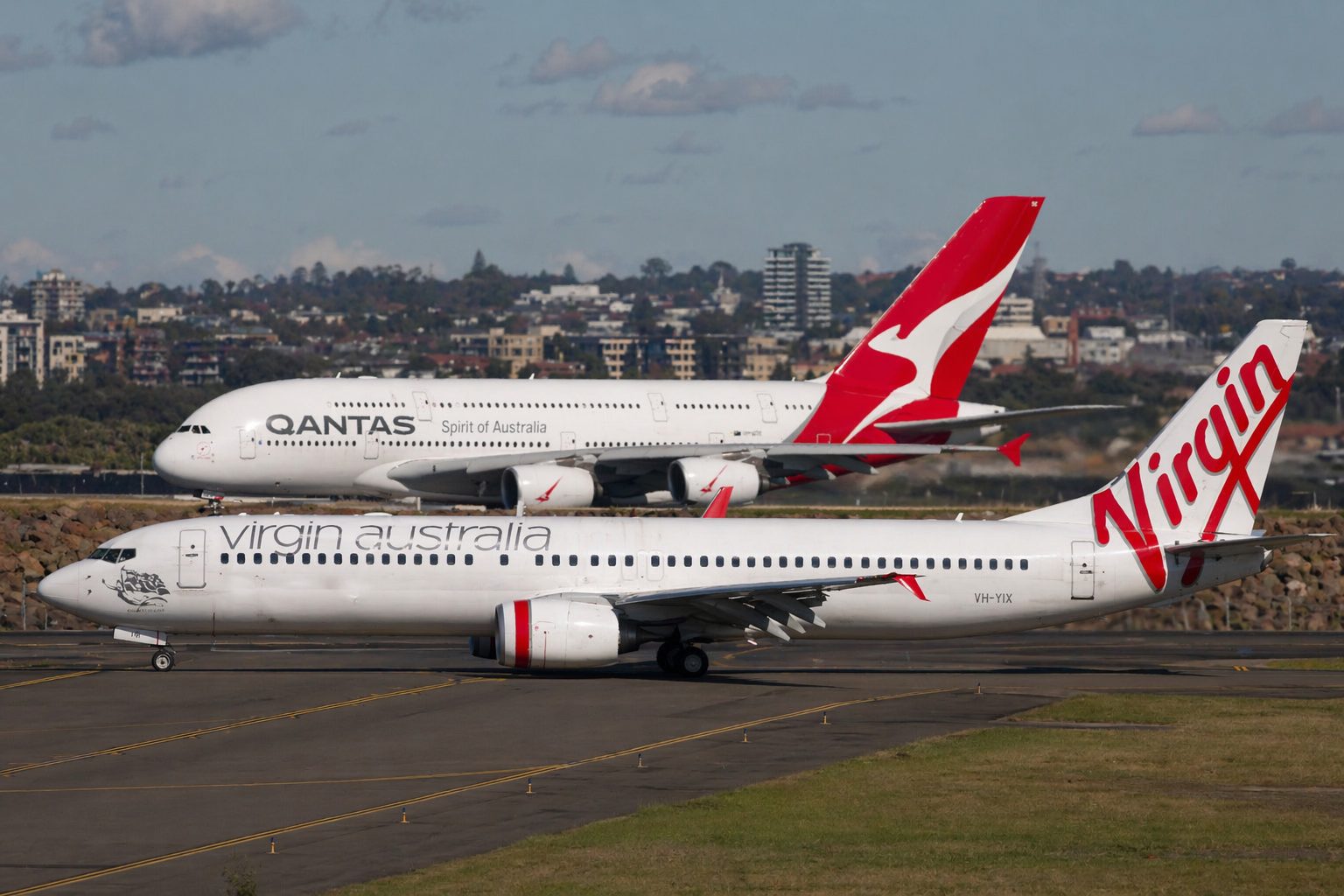
Qantas Airways Limited pulled ahead of Virgin Australia in March for on-time performance, notching an edge as the industry faces pricier fuel and more discount fares. Numbers from the Bureau of Infrastructure and Transport Research Economics, published April 23, put the Qantas group at 81.9% for departures leaving on time and 80.1% for arrivals. Virgin’s network posted 78.7% and 77.7%, respectively.
Reliability is suddenly a front-and-center commercial concern, no longer just a number in an ops report. Qantas, for its part, has rolled out over 2 million cut-rate domestic seats, even as fuel costs nudge fares higher and airlines pare back schedules.
Flights are counted as on time if they land or take off no more than 15 minutes late. That’s the metric the ACCC relies on in its domestic airline tracking, and the regulator has flagged the risk: if jet fuel stays pricey, Australians could see airfares climb.
March didn’t go smoothly across the sector. According to BITRE, on-time arrivals across all reporting airlines sat at 77.0%, with departures just a bit better at 78.2%—both figures coming in under their historical marks. Cancellations ticked up, hitting 2.7%.
Virgin stood out with a network cancellation rate of just 1.8%, ahead of Qantas’ higher 3.2%. According to Australian Aviation, Danny Norman, Virgin’s general manager for the integrated operations centre, cited a “stable and reliable schedule” as the key priority for the airline. Australian Aviation
Qantas is betting that improved on-time performance will help fill seats, even as timing isn’t exactly in its favor. Its latest week-long sale features more than 90 domestic and regional routes, offering one-way economy tickets starting at A$99 and business class from A$299. The deals are available through 11:59 p.m. AEST on April 28—unless they sell out first.
“Australians’ appetite for travel continues,” Qantas Domestic CEO Markus Svensson said, pointing to a bumper Easter for the airline. Over 1 million customers flew on Qantas’ domestic routes during the period, he noted. Qantas Newsroom
Still, those higher ticket prices are running into a wall of rising costs. Earlier this month, Qantas flagged that jet fuel now costs more than twice what it expected when it set its first-half guidance. The carrier bumped up its fuel bill projection for the second half of fiscal 2026 to between A$3.1 billion and A$3.3 billion, and trimmed domestic capacity for the fourth quarter by roughly 5 percentage points.
The company put off launching its planned A$150 million on-market buyback, citing uncertainty. Still, it confirmed the A$300 million interim dividend is set for payment on April 15. For both international and domestic routes, Qantas lifted its RASK guidance—revenue per available seat kilometre—provided demand doesn’t falter.
Qantas isn’t alone here. According to Reuters, airlines around the world have bumped up ticket prices, tacked on extra fuel surcharges, and dropped some routes in response to the Iran war’s impact on fuel supply. Qantas has been redirecting more flights to Europe, where demand is firmer, and pulling back on domestic routes.
Fuel costs are the big variable here. Johnathan McMenamin, senior economist at Barrenjoey, told the Guardian that refining margins have jumped—with Asian refiners facing tighter crude supplies and, as he put it, “demand is not really adjusting.” Over at UBS, analysts cut their forecasts for Qantas, projecting lower earnings per share both this year and next. The Guardian
Virgin’s joining in on price cuts, too. The airline says its sale now covers over 1.5 million discounted seats on domestic routes, with one-way Economy Lite tickets starting at A$55 for selected dates between July 22, 2026 and March 27, 2027.
Qantas faces a tricky balance: gains from improved punctuality could be undercut by high fuel costs, patchy weather or more aggressive capacity cuts. Sure, lower fares help fill seats. But if cancellations climb or fuel prices refuse to ease, the airline’s room to keep ticket prices down without pinching margins shrinks fast.