
Sydney, June 22, 2026, 06:05 (AEST)
- Qantas ended Friday at A$10.06, up 7.6% for the week.
- The first non-stop Sydney-London flight under Project Sunrise is on the books for October 2027, Qantas said.
- Iran said Sunday it closed the Strait of Hormuz again, but U.S. officials disputed the claim.
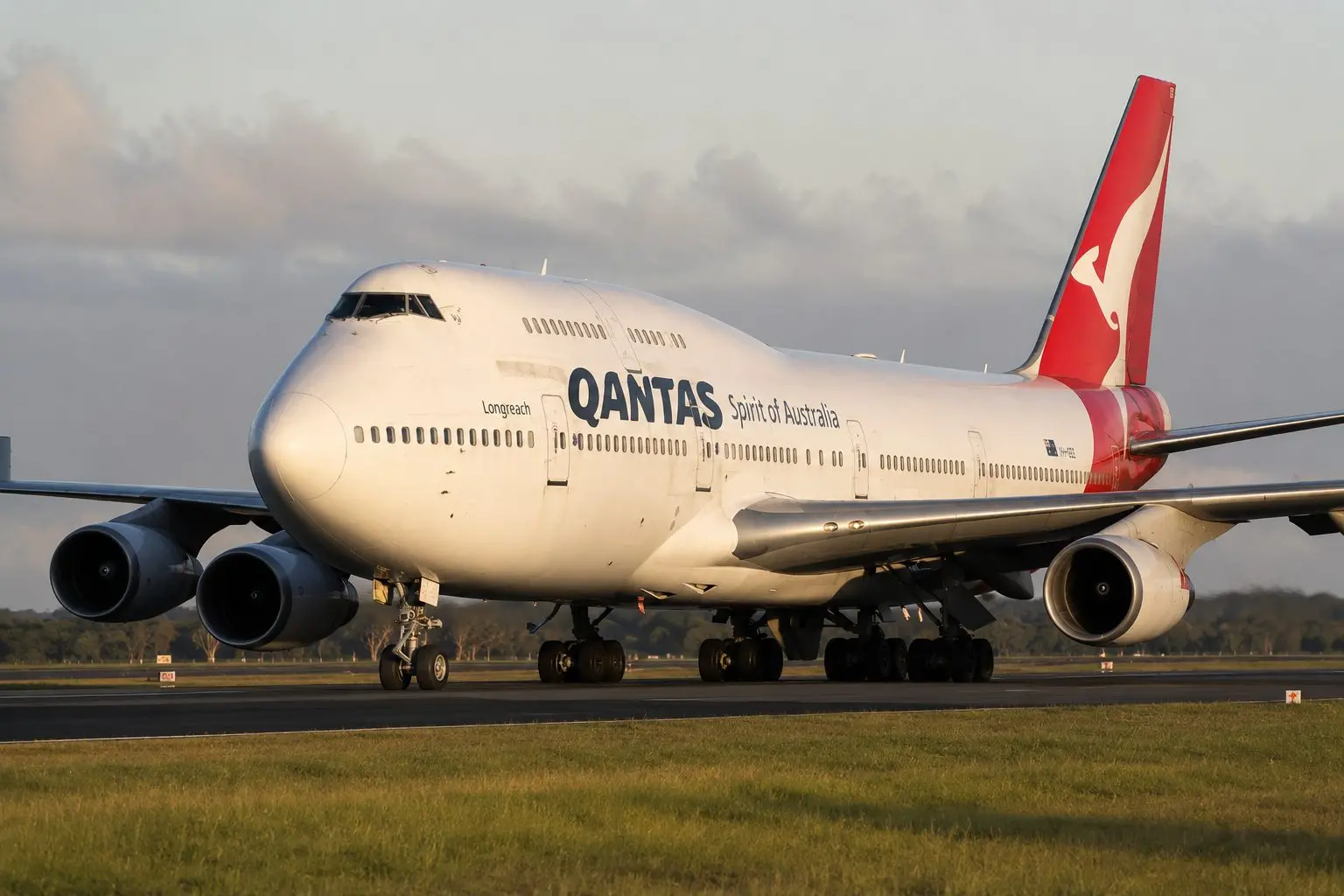
Qantas Airways heads into Monday up 7.6% for the week, but faces new fuel cost risk. The shares last closed at A$10.06 on Friday. Investors are watching for any extended trouble in Strait of Hormuz shipping, which could wipe away some of last week’s gains from falling oil.
Fuel is still the main swing factor for Qantas’ near-term profits. The airline said back in April its second-half fiscal 2026 fuel bill could hit between A$3.1 billion and A$3.3 billion. Qantas has hedged nearly 90% of its crude-oil exposure, but is still exposed to volatility in jet-fuel refining margins — the premium paid to turn crude into aviation fuel. The airline also paused a planned A$150 million share buyback and reduced domestic capacity for the June quarter.
Qantas surged 6.3% on Monday, most of its gains for the week. Virgin Australia shot up nearly 13% that day as oil prices dropped on the U.S.-Iran deal. The ASX overall rose 1.3%. Qantas didn’t file any new ASX statements from June 16 to June 22, so the move looked driven by the macro news, not earnings.
Relief looks shaky. Brent crude was last near US$80.38 a barrel Friday, off about 8% on the week as markets factored in better Hormuz flows. John Kilduff at Again Capital said, “Full resumption of oil flows through the strait has been priced back in. Anything short of that will be a problem.” Reuters
Qantas pushed ahead with its long-haul plans. The carrier said Sydney-London will open as the first Project Sunrise route, aiming for ticket sales in February 2027 and the first flights using 238-seat Airbus A350-1000ULR jets starting that October. Qantas is targeting the same 20% fare premium it sees on Perth-London and expects Project Sunrise could bring in over A$400 million a year. “What they are selling is time,” said aviation analyst John Strickland, who also noted Qantas needs higher fares across all cabins. Reuters
Qantas is counting on cabin features to ease the grind of the 20-hour flight. Meals served on a schedule, animated lights, more legroom, and space to move around are aimed at helping people sleep better and feel more alert. Peter Cistulli, a professor of sleep medicine at the University of Sydney, said crossing time zones is “a major biological challenge.” He pointed to the risk that flyers might not find the time savings worth the fare or discomfort. Reuters
Competition could ramp up before Project Sunrise gets underway. Australia dropped some travel warnings for Gulf transit points last week, which had made insurance tougher and drove some travellers to Qantas and Asian carriers. Emirates wants those flyers back. BofA analyst Nathan Gee said Singapore Airlines still looks strong because passengers trust Asian connections. If one-stop seats rise, Qantas may have less room to set fares to Europe.
Qantas is not posting a result this week. The airline’s fiscal year wraps up June 30, with preliminary results out August 27. Shares are expected to track oil and jet fuel margins in the meantime, plus signals that European travel appetite remains steady. A lasting opening at Hormuz could help with costs. Any new disruptions might push fares back up, force capacity reductions, and squeeze returns.