
Sydney, May 11, 2026, 06:03 (AEST)
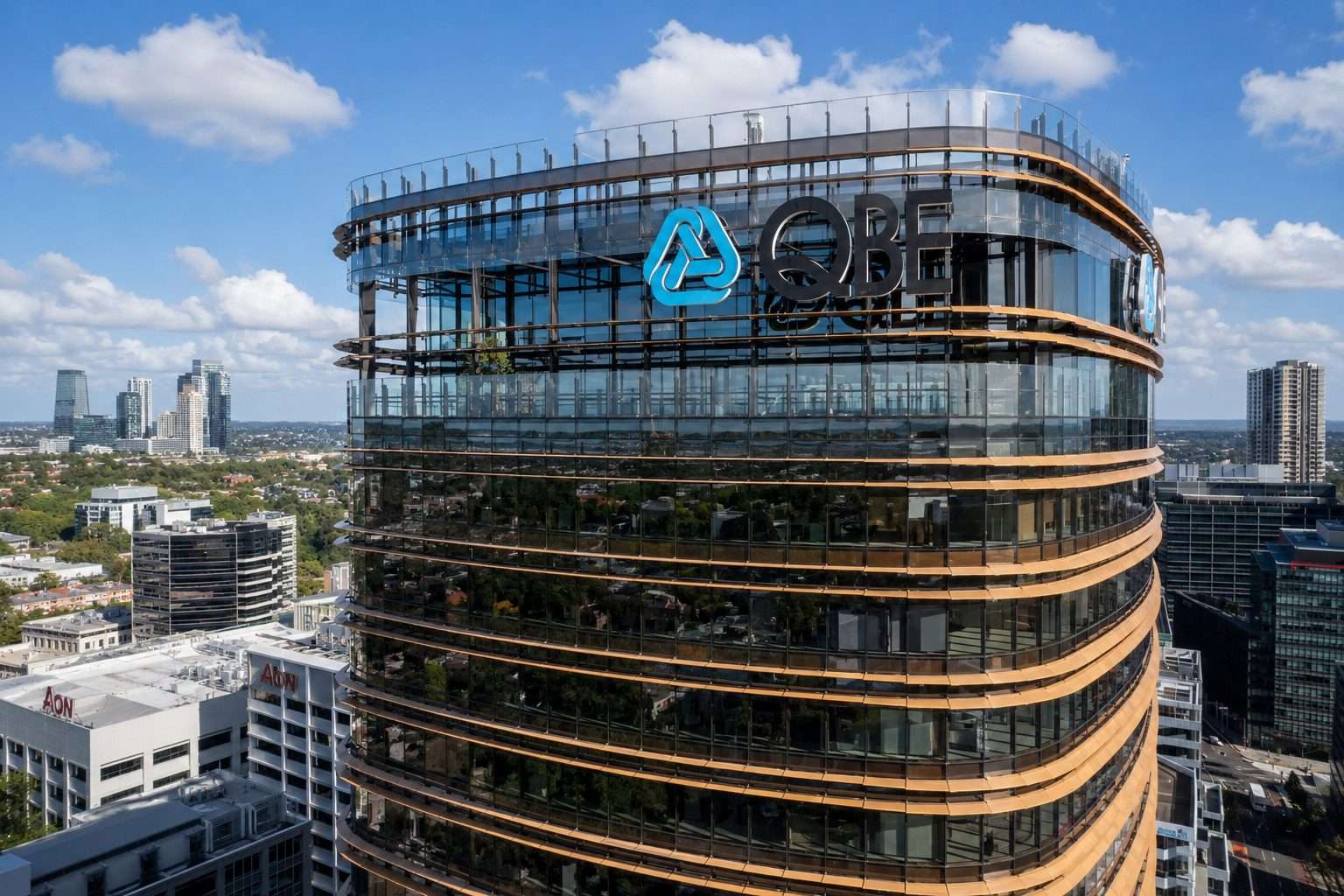
QBE Insurance Group left its 2026 guidance unchanged after reporting first-quarter gross written premium up 11% to US$9.2 billion. The Sydney-based insurer’s top line looked solid, but investors seemed unconvinced by the headline figure. The company is sticking to its forecast for mid-single-digit premium growth on a constant-currency basis and maintains its group combined operating ratio target at roughly 92.5% for the year.
This update is timely, as the pricing cycle shows signs of waning. QBE logged group premium rate hikes of roughly 2% for the quarter, but also pointed to stiffening competition in commercial property and at Lloyd’s—the specialist insurance market where global insurers handle intricate risks.
That tension was on display in the stock. QBE touched A$23.08 early Friday, then slipped to finish 1.55% lower at A$22.30. This, despite management sticking to guidance and announcing stronger premiums.
Gross written premium, or GWP, refers to the full amount of premium booked prior to any deductions like reinsurance. The combined operating ratio—claims plus expenses as a percentage of premiums—comes in below 100% when underwriting is profitable, not counting investment returns.
QBE reported premium growth of 7% on a constant-currency basis. Strip out the impact of price hikes and ex-rate growth lands at 6%, driven by North America Crop and a handful of international portfolios. Take crop and exited lines out of the equation, and growth drops to 2%, as some accident and health portfolios dragged on volumes for the quarter.
QBE is “tracking to plan” and saw “strong premium growth” in early 2026, according to Chief Executive Andrew Horton’s comments to shareholders. Horton added the company wrapped up its A$450 million buyback last month and intends to keep sending surplus capital back when possible. ASX Announcements
Claims remain the key variable here. QBE reported net catastrophe claims of roughly US$300 million for the first four months through April, leaving plenty of headroom against its US$517 million first-half catastrophe allowance. The company described direct underwriting impacts tied to the Middle East conflict as not material to date, pegging net claims there around US$60 million—already baked into the broader catastrophe total.
Still, risks hang over the forecast. A spike in natural disasters, broader claims tied to geopolitical conflict, or a quicker drop in premium rates could all squeeze that 92.5% ratio target. QBE’s filing makes it clear: those forward-looking assumptions count on catastrophe claims and premium rates staying roughly on track, among several other variables.
Investment income provided a boost this quarter. QBE booked roughly US$500 million from investments over the four months to April, thanks to core fixed-income yields ticking up to 4.1% from 3.7% at the end of 2025. Total investment funds under management climbed to US$36.1 billion.
The competitive picture isn’t straightforward. QBE’s footprint stretches across North America, International, and Australia Pacific, so it’s not as tied to the home market as Suncorp or Insurance Australia Group, despite frequently being lumped into the same basket in Australia’s general insurance sector. That global reach offers some diversification benefits, but it also brings in exposure to crop, Lloyd’s, and commercial property cycles—areas local-focused investors might not track as closely.
Shareholders at the annual meeting approved the main board resolutions but voted down three separate climate-related proposals. Just 5.22% favored amending the company’s constitution. Proposals on climate-risk disclosure and governance fared only slightly better, with 10.86% and 6.53% support, respectively.
Board handover wrapped up too, as Mike Wilkins stepped down from the chair role. Yasmin Allen stepped in, assuring shareholders there’s “not a change in direction.” ASX Announcements
Investors are still watching QBE’s 2025 figures in the backdrop. Wilkins reported to shareholders that last year’s statutory net profit after tax came in at US$2.157 billion, marking a 21% increase. The company also declared a full-year dividend of 109 Australian cents per share.
August will bring a sharper look at QBE’s performance. The company has set Aug. 14 for its first-half 2026 results—investors on the lookout for signs that first-quarter pricing, catastrophe claims, and investment income are still tracking QBE’s full-year targets will get more clarity then.