
LONDON, April 27, 2026, 21:06 BST
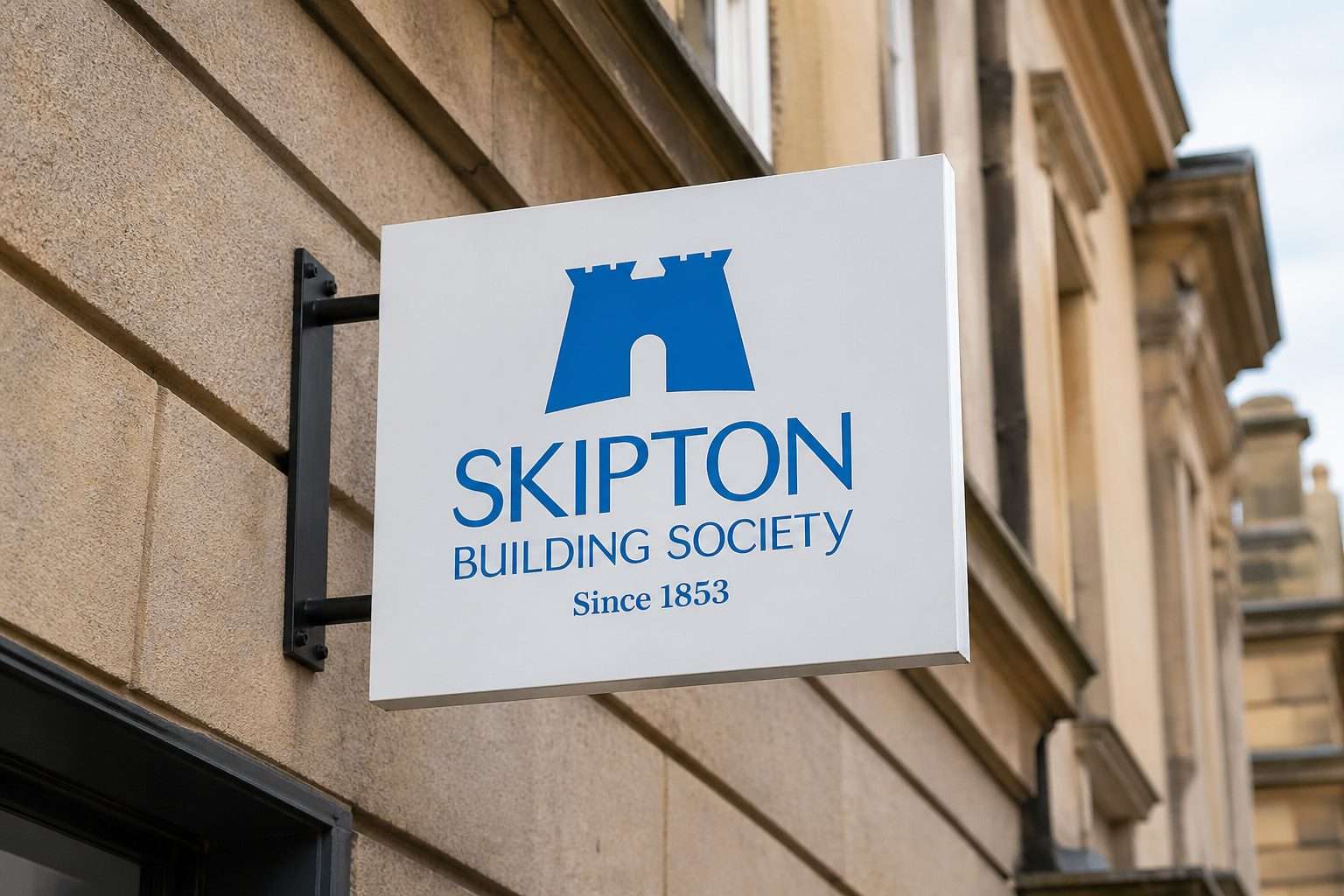
Skipton Building Society rolled out a new 18-month fixed-rate cash ISA on Monday, offering savers a 4.55% AER—currently one of the top deals as Rachel Reeves’ cash ISA reforms loom less than a year away. The annual equivalent rate (AER) remains the industry benchmark for comparing savings returns.
Timing is key here. Starting April 6, 2027, adults younger than 65 will see their annual cash ISA allowance cut to £12,000 from £20,000. The overall £20,000 ISA cap won’t move, and those 65 or older will retain the full cash ISA limit. According to the Treasury, this tweak gets implemented through secondary legislation ahead of the rollout.
Savers who keep money outside tax-free accounts face another hit. From April 2027, the savings income tax rate climbs by 2 points: basic-rate payers go to 22%, higher-rate to 42%, and additional-rate to 47%, according to government filings. The personal savings allowance—the bit of interest you can earn before tax—stays put.
Skipton’s new account is available for both new and existing customers, requiring a minimum deposit of £500 and capping out at £1 million. The account lets customers put in up to the £20,000 ISA allowance for this year, and money from earlier years’ ISAs can be transferred in as well. Withdrawals aren’t permitted during the 18-month term, and closing the account early triggers a 90-day interest penalty.
Alex Sitaras, head of savings and partnership products at Skipton, said savers want “strong, tax-free returns” especially as ISA allowances come under closer scrutiny. Moneyfactscompare.co.uk finance expert Rachel Springall called Skipton’s offer the market leader for this sort of short-term ISA, according to the Independent. The Independent
Competition is getting fiercer. On April 27, MoneySavingExpert’s cash ISA table showed easy access from Trading 212 at 4.51%. Investec’s one-year fixed ISA came in at 4.52%. Skipton offered 4.55% for 18 months, while Secure Trust Bank’s two-year deal stood at 4.52%.
This month, Moneyfacts Group reported the average one-year fixed ISA rate climbed to 4.01%—a peak not seen since May 2025. But those fixed-rate accounts aren’t sticking around for long, with their average shelf life dropping to just 35 days. The top rates are getting snapped up fast, well ahead of the 2027 rule change.
Policy design remains the bigger question mark. HMRC plans to enforce anti-avoidance rules that would block transfers from stocks and shares ISAs and Innovative Finance ISAs into cash ISAs. There will also be tests for what counts as “cash-like” investments, plus a fee on interest earned from holding cash within investment ISAs. For HMRC, “cash-like” means assets acting more like cash than longer-term market positions. Gov
The specifics here aren’t trivial, industry sources point out—plenty of investors keep cash parked in a stocks and shares ISA for short stretches, whether they’re covering fees, collecting dividends, or just dialing down risk before pulling money out. “The final detail” is still missing, AJ Bell’s public policy chief Tom Selby said, cautioning that any added taxes or layers of complexity risk putting retail investors off. AJ Bell
Reeves pitches the policy as a way to channel household savings toward investments. During her Budget speech, she pointed out that retail investment in the UK lags most G7 peers, ranking among the lowest. More than half of the ISA market — with firms like Hargreaves Lansdown, HSBC, Lloyds, Vanguard and Barclays — has committed to rolling out online hubs aimed at helping people put money to work in Britain.
The campaign is showing up in advertising, too. The Investment Association announced last week that its “Invest for the Future” drive—a multi-year push, supported by 20 financial services firms and backed by the Treasury, the Financial Conduct Authority, and the Money and Pensions Service—has launched, aiming to boost public comfort with investing. The Investment Association
The risks here aren’t hard to spot. Fixed-rate cash ISAs give some predictability, but tie savers’ hands; Skipton’s version doesn’t allow withdrawals during the term, and closing the account early triggers a 90-day interest penalty. Should rates climb, or if cash is needed in a hurry, that attractive headline rate may not be much help compared to immediate access.
Right now, under-65 savers have the 2026/27 tax year as their last shot at using the full £20,000 cash ISA allowance before the cap gets cut. Providers are already setting rates with that surge in mind, while savers face choices even as the government keeps tweaking the details.