
MELBOURNE, May 16, 2026, 07:05 AEST
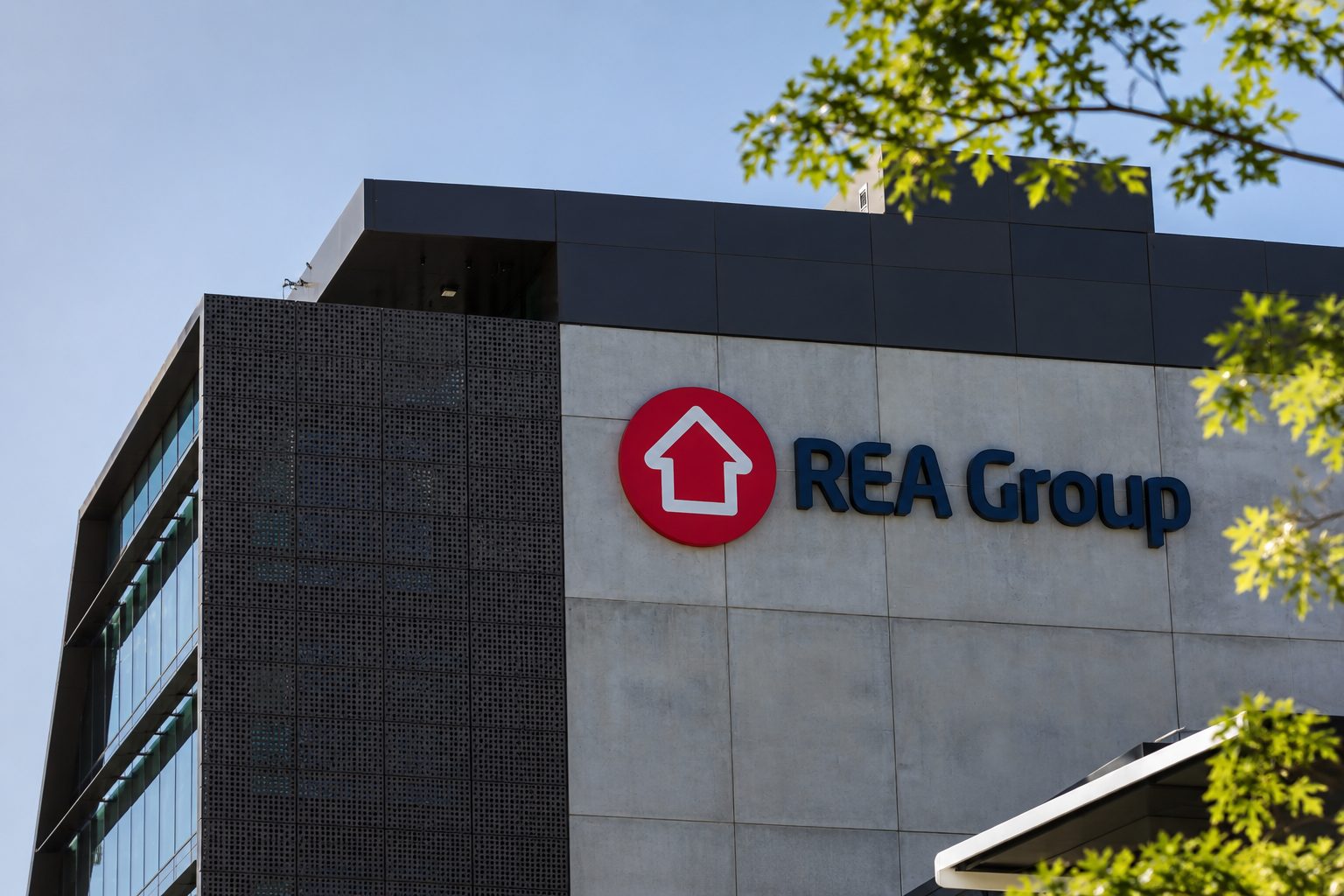
REA Group Ltd bought 49,887 shares for A$8.15 million on May 14, a Friday filing showed. The company has now spent about A$97.8 million on its on-market buyback so far. The realestate.com.au owner has bought back 603,999 shares in total under the plan.
REA is sending cash back to shareholders just as more properties hit the market. The company’s April report showed national new sale listings on realestate.com.au up 19% from last year, the strongest April since 2021. The fresh batch of listings feeds REA’s main paid ads business.
Things look less clear now. The Reserve Bank of Australia raised its cash rate target 25 basis points to 4.35% on May 5, warning of ongoing inflation risk. The federal budget is moving tighter as well: starting in July 2027, negative gearing will only apply to new properties, the 50% capital gains tax discount will be replaced by an inflation-indexed approach, and a 30% minimum tax on gains is planned.
REA posted March quarter revenue of A$398 million, up 11% when dropping out M&A. Operating EBITDA landed at A$220 million, a 16% increase on this basis. Residential revenue rose 12%. Buy yield, which tracks revenue from sale listings by price, product, and mix, grew 14%.
REA CEO Cameron McIntyre said the company is “incredibly well positioned” as buyer demand moves back to normal. On the earnings call, CFO Andrew Cramer said they plan to “continue to invest in the business” and will watch costs through offshore centres and artificial intelligence tools. Investing
Domain, REA’s key Australian rival, is set to be acquired by U.S.-based CoStar in a A$3 billion deal aimed at going head-to-head with REA, which is owned by News Corp. The move is expected to give Domain more financial heft.
REA closed up 0.48% at A$162.01 on Friday, but the stock is still down 11.66% since January, MarketScreener data show. Shares are well below this year’s highs, even with the current buyback in place.
Rate expectations are still the main driver for property portal sentiment. On Polymarket’s June RBA contract, traders assigned an 83% chance the central bank would keep rates on hold at the June 16 meeting. The probability of a hike was at 18%. Cuts drew little interest, with less than 1% odds. Contract volume hit about $25,400.
Listing activity is looking shaky. A new jump in rates, less buyer interest, or fresh investor caution on the budget changes may weigh on deals. Domain teaming with CoStar raises the bar—REA could hit pushback from agents if it tries to push prices higher.
REA’s holding thanks to a nearly A$100 million buyback, stronger April listings, and tighter cost control on the back of a good March quarter. Next issue is whether supply can keep rising without putting off buyers.