
New York, March 4, 2026, 15:17 EST — Regular session
Ross Stores climbed roughly 6.9% to $211.35 as of Wednesday afternoon. Earlier, shares reached as high as $217.10 during the session.
Ross’s surge followed management’s comments to investors, with the company anticipating steady demand for discounted clothing despite ongoing economic headwinds. “Spend growth at off-price chains is among the strongest in retail, with gains across all income segments,” noted Michael Gunther, SVP of research and market intelligence at ConsumerEdge. Reuters
The market’s been looking at retail earnings as a sort of check-in on household stress levels. Off-price retailers might seem like a safer bet, but their business still depends on customers coming out for additional apparel and home items.
Fourth-quarter sales at Ross jumped 12% to $6.6 billion, topping expectations, with earnings per share at $2.00 — more than the retailer’s own forecast. Comparable store sales, reflecting shops open at least a year, climbed 9%. For the full year, sales hit a record $22.8 billion. “We ended the fourth quarter with solid momentum, and while early, we are encouraged by the very strong start to the Spring season,” CEO Jim Conroy said. Ross is now projecting comparable sales growth between 7% and 8% for the quarter ending May 2. The company also rolled out a new $2.55 billion, two-year share buyback plan and increased its quarterly dividend. PR Newswire
Executives pointed to increased traffic during the earnings call, describing growth as widespread across both categories and regions. The home segment, previously hit by tariffs earlier this year, saw some rebound. “We do not intend to buy the comp in Q1 or for the year going forward,” Conroy said—meaning they won’t juice comparable sales by ramping up promotions or marketing. The Motley Fool
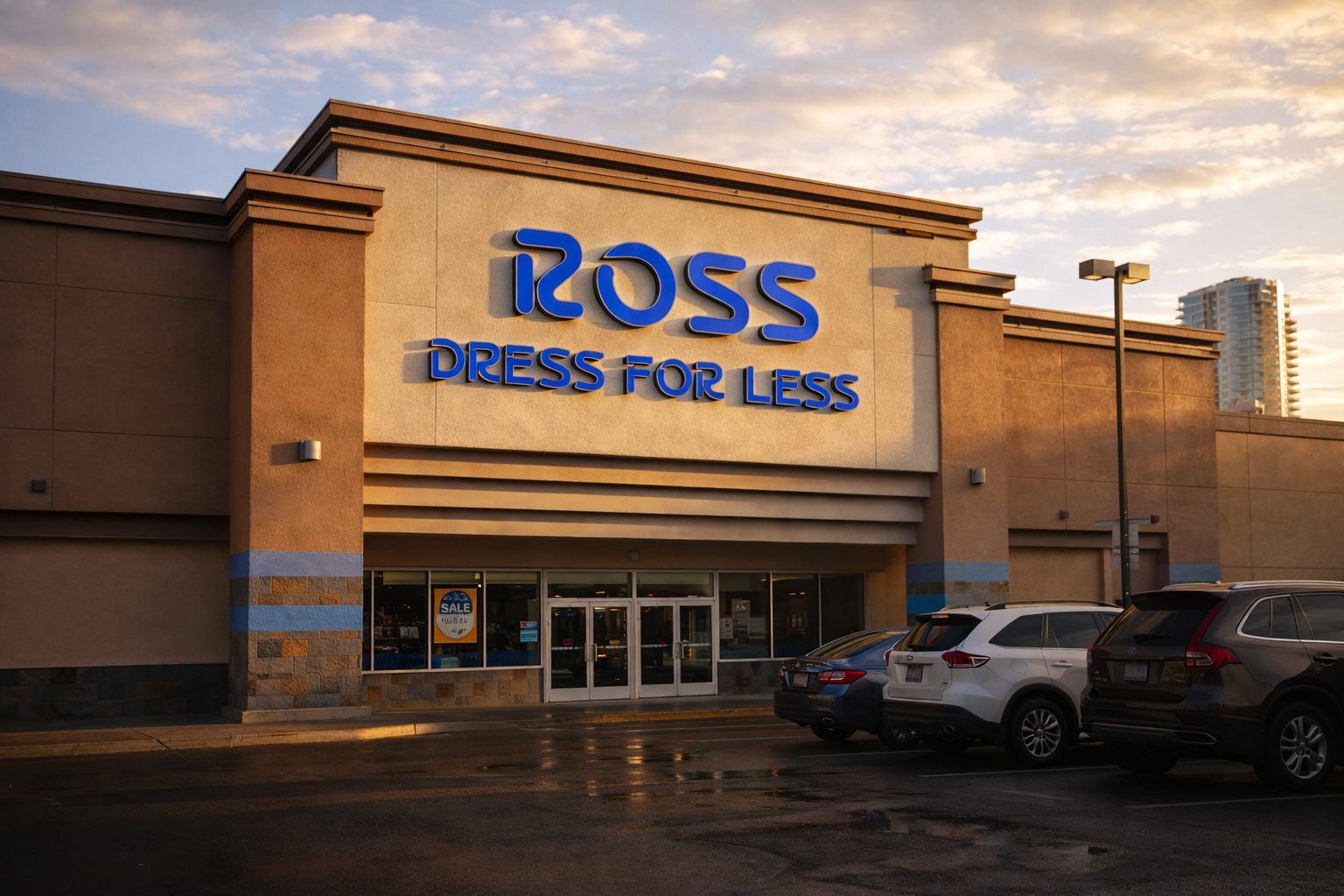
Ross, operator of Ross Dress for Less and dd’s DISCOUNTS, faces off against rival discounters for consumer dollars—just as digital competitors keep expanding their own value offerings. That favorable comparison period? It delivers a bump to growth early in the year, but sets up for a potentially bumpy ride later on.
Yet risks remain hard to miss. Tariffs, freight bills, distribution outlays—any of those could squeeze margins. A quick drop in discretionary spending would add to that, regardless of whether sales numbers continue climbing.
Traders are keen to see if the spring uptick runs deeper than just a tax refund surge, and they’re eyeing inventory levels as the company pushes forward with fresh stores and ramps up supply chain investments.
All eyes now turn to the quarter wrapping up May 2, the stretch Ross tagged for its upbeat spring outlook. That’s when the company could offer fresh detail on tariffs, store traffic, and buyback momentum.