LONDON, April 2, 2026, 23:07 BST.
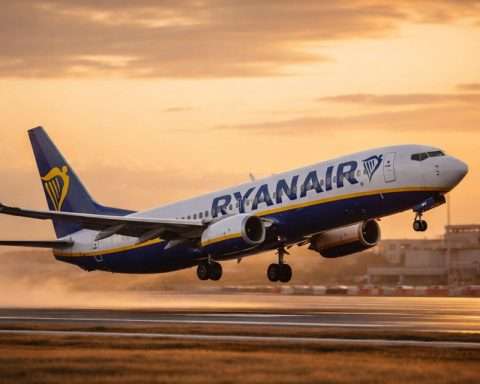
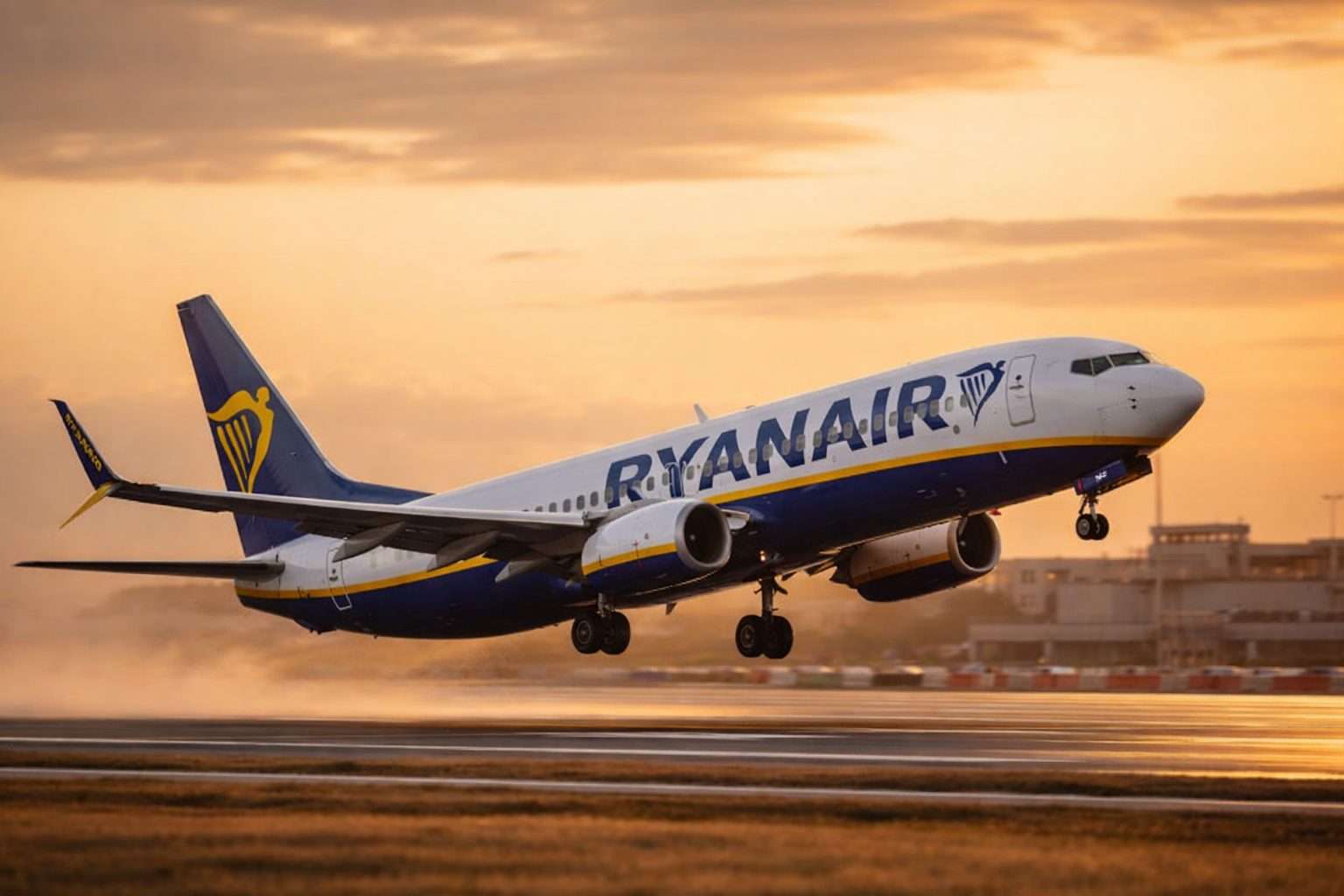
Ryanair warned on Thursday it may have to cancel up to a tenth of its summer flights if the Iran war keeps disrupting jet fuel markets, as the first UK route cuts tied to higher fuel costs began to show up. Skybus said its London Gatwick-Newquay service will end early, a sign the pressure is no longer confined to the biggest carriers. 1
The warning matters now because fuel already makes up 26% to 27% of airlines’ costs, according to IATA Director General Willie Walsh, leaving little room for carriers to absorb another jump. Jet fuel averaged $195 a barrel last week, more than double last year’s average by IATA’s measure, and Michael O’Leary said Britain was Europe’s most exposed market because about a quarter of its jet fuel supply comes from Kuwait, while the IEA said shortages already hitting Asia were likely to reach Europe in April or May. 2
O’Leary’s tone has been tightening for two days. On Wednesday he said Ryanair saw no immediate disruption before early May and had hedged 80% of its fuel, meaning most purchases were locked in ahead of time at fixed prices, but he also warned that 10% to 25% of supply could be at risk through May and June if the Strait of Hormuz, the Gulf shipping choke point, stays shut. He added there were “no assurances into June or July.” 2
Real disruption in the UK is still patchy, but it is no longer theoretical. Skybus said all flights between Cornwall and London would stop from April 3, nearly two months before the planned end of the government-backed route, and managing director Jonathan Hinkles blamed “the huge rise in the global cost of fuel” and weak bookings. 3
Guernsey’s Aurigny has already reduced London City flights, combined some services to and from Exeter and Bristol, and added a temporary £2 fuel surcharge on bookings made from March 20. The airline said global instability was hitting demand and raising costs, turning a regional supply shock into a problem for smaller UK operators as well as larger ones. 4
That still falls short of a system-wide UK shortage. British Airways told ITV it was not currently seeing disruption to jet fuel supply in Britain and was staying in contact with suppliers and government, while Ryanair said on Wednesday it still expected average fares to rise only 3% to 4% year on year in the April-to-June quarter, with traffic up about 5%. 5
The supply side is where the strain is building. IEA chief Fatih Birol said more than 12 million barrels of oil had already been lost since the conflict began and called jet fuel and diesel the biggest immediate problem, saying the squeeze visible in Asia would reach Europe “in April or May.” 6
Replacement fuel cargoes are moving, but not in volumes large enough to close the gap. Reuters reported U.S. exports of clean fuels including jet fuel hit a record 3.11 million barrels a day in March, with flows to Europe up nearly 27% from February as buyers searched for alternatives, yet Kpler analyst Matt Smith said it was “very, very, very unlikely” the United States could replace the supply that normally moves through Hormuz. 7
But the downside case is not the only one on the table. O’Leary said Ryanair still expected no immediate disruption before May and that if the war ends this month and the strait reopens there is “almost no risk to supply”; Walsh has also said European travellers may have a little more time because many airlines hedge fuel months ahead. 2
For now, the UK market sits in an awkward middle ground: not yet short of fuel across the system, but no longer insulated from the shock. British Airways says supply is still flowing, while Aurigny and Skybus have already trimmed capacity or ended service, and Ryanair has signalled a broader pullback could follow if the conflict drags into the peak summer season. 5