NEW YORK, January 23, 2026, 02:56 (EST)
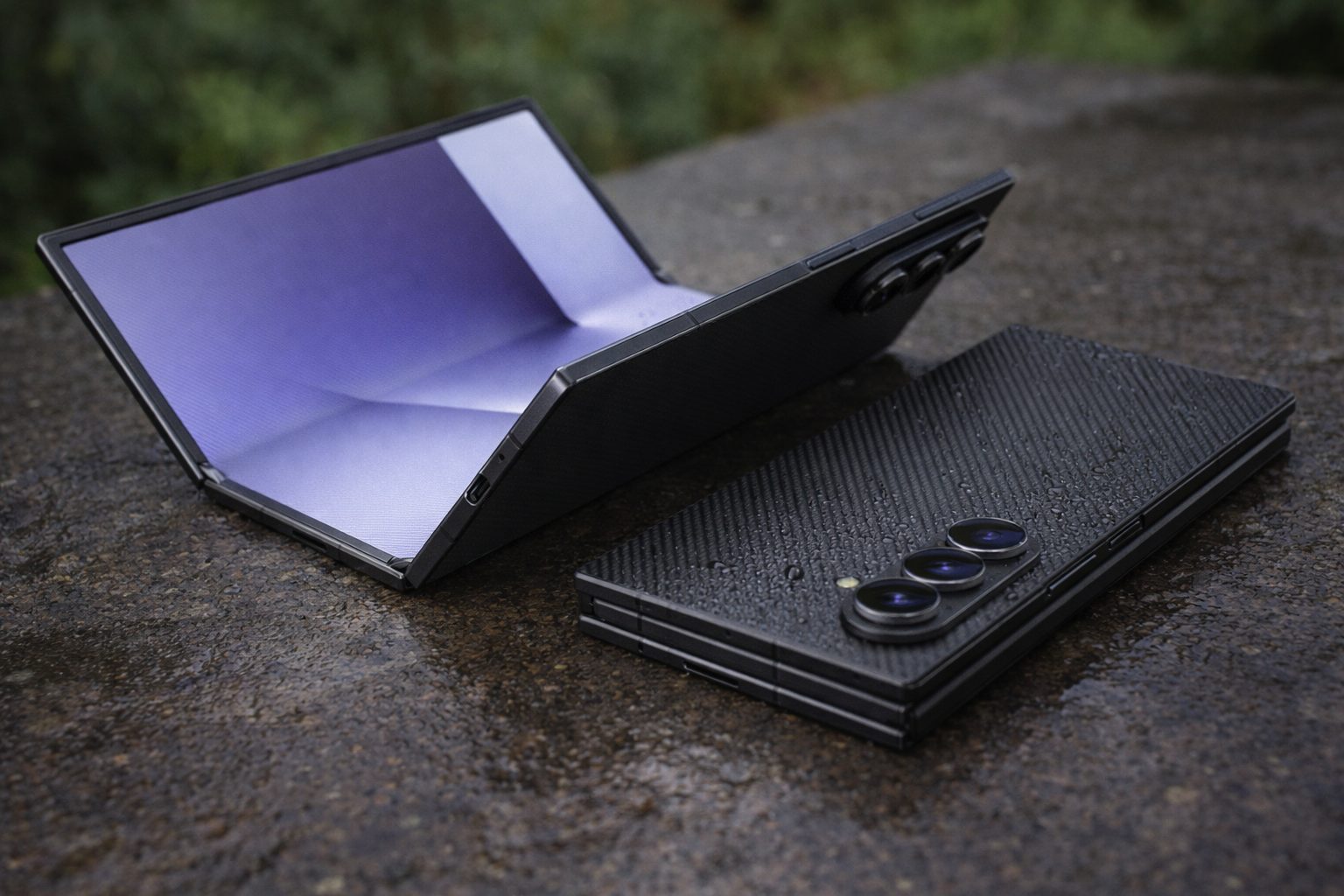
Samsung Electronics announced Thursday that it will showcase the Galaxy Z TriFold at seven Samsung Experience Stores across the U.S. starting Jan. 23. Customers can get hands-on with the tri-folding phone before a wider release. The stores are located at Mall of America in Bloomington, Minnesota; Queens Center in Elmhurst, New York; Roosevelt Field in Garden City, New York; The Galleria in Houston; Stonebriar Centre in Frisco, Texas; plus Cerritos and Glendale, California. Samsung hasn’t revealed the U.S. price or the official sale date yet. 1
This comes after Samsung unveiled the TriFold at the Consumer Electronics Show earlier this month, where most attendees only got a quick look unless they managed to get their hands on a demo unit, PhoneArena reported. 2
The timing is crucial as Samsung aims to refocus attention on hardware in a smartphone market that’s become largely incremental. A tri-fold design—folding twice—offers more screen real estate than current book-style foldables, stopping short of turning into a full tablet.
Tri-fold phones pack in an extra hinge, letting the screen fold into three parts. But that raises bigger issues: added weight, increased bulk, and whether the screen and hinges can survive real-world use once users stop handling them gently.
Samsung revealed the TriFold opens up to a 10-inch main display, with a 6.5-inch cover screen when closed. The company set a launch date for Korea on Dec. 12, 2025, and plans to roll it out in the U.S. during Q1 2026. Buyers will also receive a six-month trial of Google’s AI Pro plan. 3
According to tech site Droid Life, Samsung’s U.S. store rollout is basically a demo-only preview. Pricing and release details remain under wraps. 4
Android Central’s reviewer pointed out that Samsung’s multitasking features, which allow users to operate several apps simultaneously, are key to the appeal of the larger display. They also noted the setup felt simpler compared to Huawei’s Mate XT tri-fold. 5
Analysts caution that tri-fold phones may remain a niche market initially due to concerns over price and durability. At Samsung’s December launch in Seoul, executive vice president Alex Lim described the device as aimed at customers who “specifically want it.” NH Investment & Securities analyst Ryu Young-ho labeled it a “first-generation product,” highlighting durability as a major issue, Reuters reported. Samsung set the price at about 3.59 million won ($2,440) in Korea. Reuters also noted that Huawei introduced the industry’s first three-way foldable last September, and Apple is expected to launch its first foldable next year. 6
Samsung is banking on customers getting hands-on with the TriFold, letting them fold and unfold it themselves—something slick launch videos just can’t match. The company, however, has yet to reveal the price for the U.S. market.