NEW YORK, Jan 24, 2026, 07:05 (EST)
- Samsung is now offering hands-on demos of its Galaxy Z TriFold at select Samsung Experience Stores across the U.S., ahead of its official launch in the country.
- The company hasn’t announced a U.S. on-sale date or pricing yet, only targeting an “early 2026” release window.
- Demo spots cover California, New York, Texas, and Minnesota; a few stores are also highlighting Samsung’s Galaxy AI features.
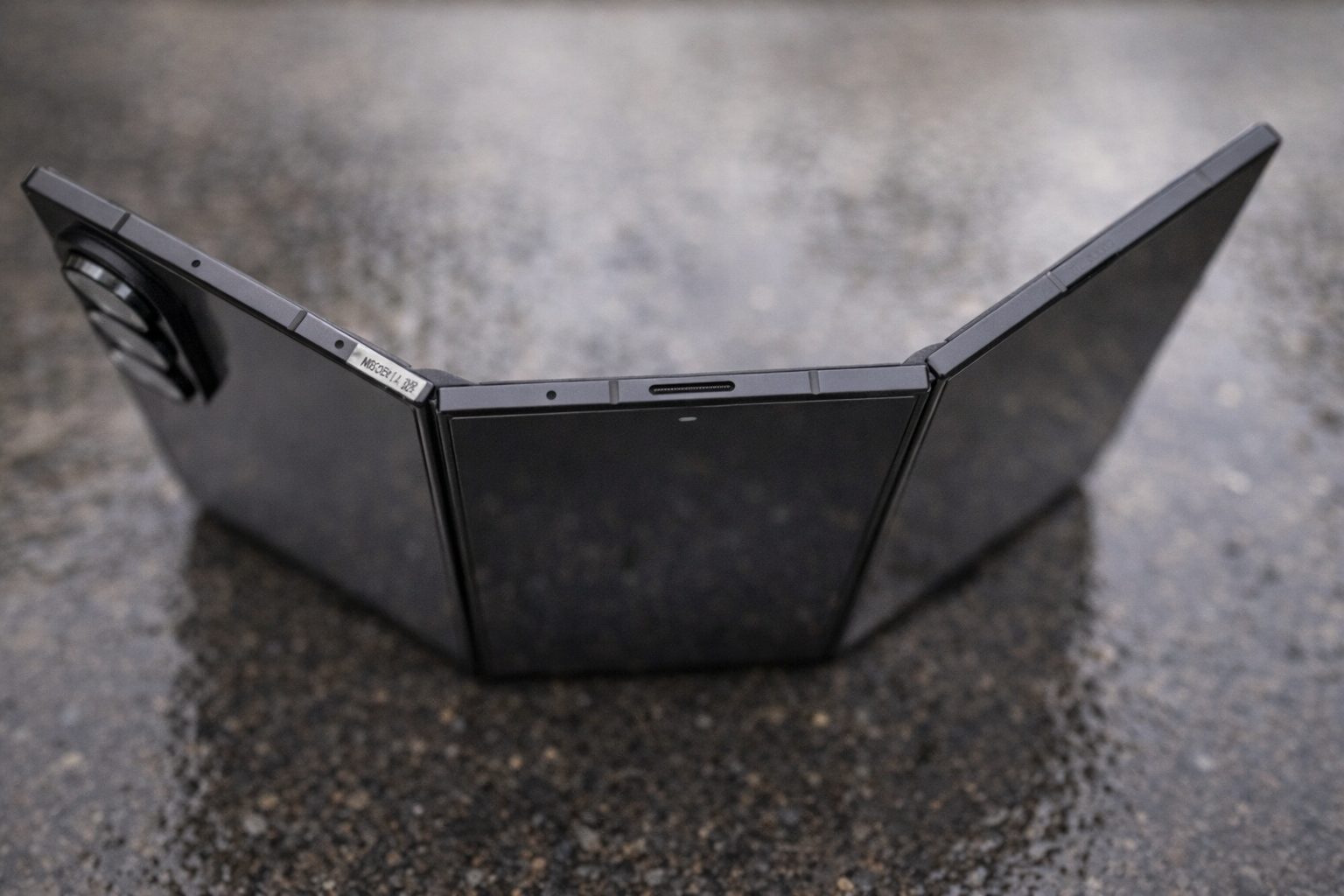
Samsung is now offering customers a chance to test the Galaxy Z TriFold, its new smartphone that folds twice to create three panels, at select Samsung Experience Stores across the U.S. This comes ahead of the device’s official American debut. 1
Samsung’s decision to push the new foldable into stores is key as it tries to drum up interest in this pricier design without locking in a firm U.S. launch date. According to Android Central, the company isn’t accepting reservations or pre-orders yet, only citing an “early 2026” release for the U.S. The phone is already on sale in South Korea and parts of the Middle East, though.
Demo units are available at Samsung Experience Stores in California, New York, Texas, and also at the Mall of America in Minnesota, according to 9to5Google. The report notes these in-store events offer hardware demos alongside software previews, including Galaxy AI, Samsung’s collection of AI-driven features. 2
The tri-fold idea is straightforward: a bigger screen when needed, and a phone-sized device when not. Once unfolded, it offers about a 10-inch display, putting it in the small tablet category.
Hands-on impressions have highlighted both trade-offs and wow factor. Tom’s Guide got a chance to test the TriFold at Samsung’s U.K. office, noting it’s impressively thin at its slimmest spot. The outside screen measures 6.5 inches, stretching to 10 inches when unfolded. They also mentioned an expected price tag around $2,400 to $2,500. 3
Samsung’s foldable lineup has long centered on the book-style Galaxy Z Fold series, positioning it as a premium product rather than for the mass market. Introducing a tri-fold design pushes the boundaries of both engineering and what users might accept for everyday use.
The biggest questions remain the same: cost, durability, and whether enough buyers will show up. When Samsung revealed the model in December, Ryu Young-ho, a senior analyst at NH Investment & Securities, said it’s “hard to see Samsung pushing large volumes at this stage.” Counterpoint Research also expects foldables to stay a niche in the broader smartphone market. 4
Samsung hasn’t revealed U.S. pricing yet, and the in-store program is strictly for demos—not actual sales. That raises a big question: will customers who get a feel for the device buy it once the final price and carrier options become clear?
Samsung is currently showcasing this new form factor exclusively in its own stores, where it remains a rare sight on U.S. shelves. What everyone’s waiting for now is a solid launch date.