
Mumbai, May 12, 2026, 21:37 IST
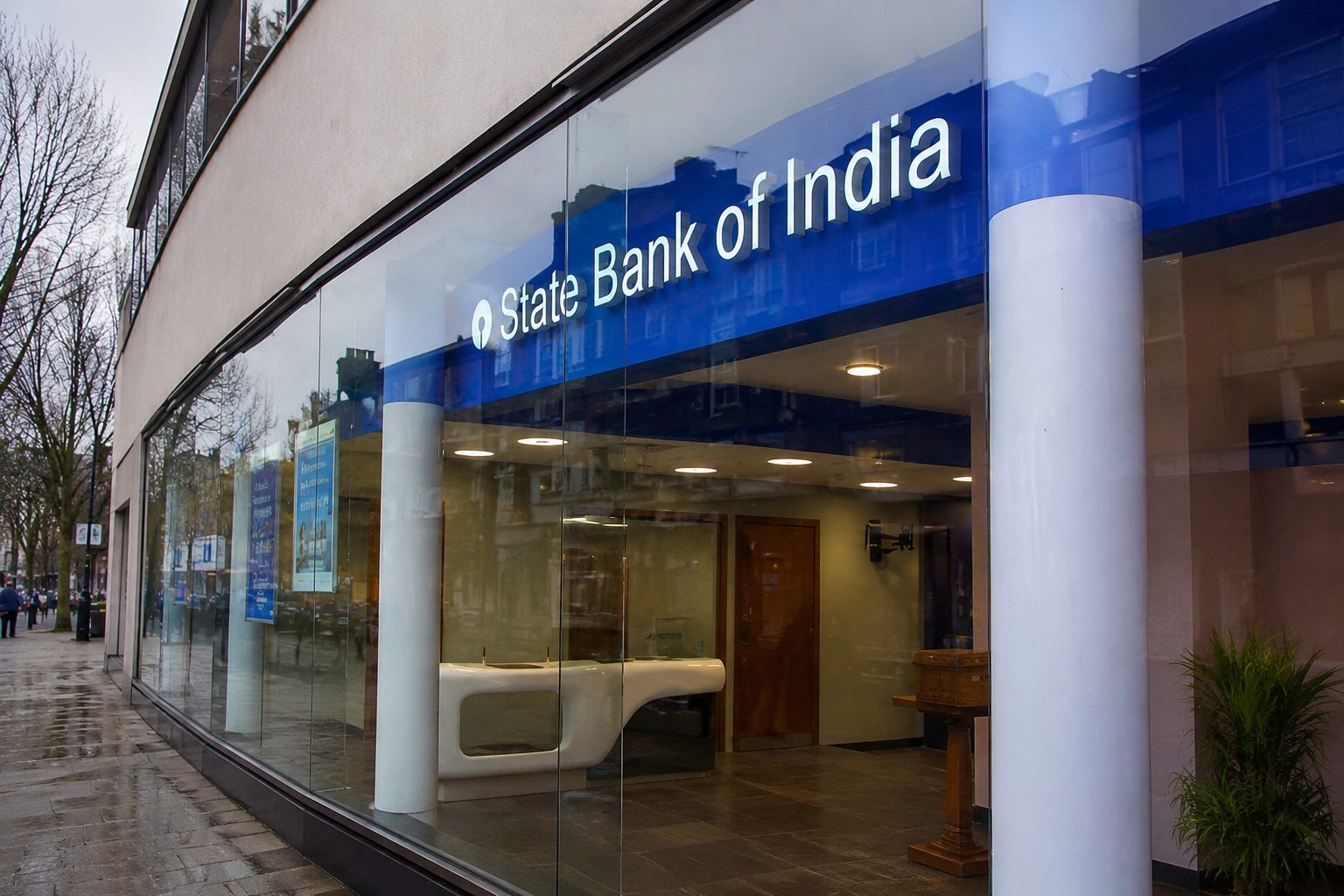
State Bank of India has signed off on a plan letting it raise up to $2 billion by issuing foreign-currency bonds in FY27, aiming to give itself flexibility for offshore borrowing in multiple tranches if needed. The lender’s central board executive committee signed off Tuesday, per exchange filings and local media coverage.
Timing is key here. SBI’s push for more funding flexibility comes right after the stock took a hit—more than $11 billion in market value erased across two sessions—on the back of a margin squeeze and a quarterly earnings miss.
SBI could go the public or private route here, tapping either Reg-S or 144A to target offshore and institutional buyers, according to market reports referencing the filing. The bank is considering both fixed and floating-rate notes, with U.S. dollars as a likely currency—though other major foreign currencies are also on the table.
The bank’s approach is debt over equity—so shareholder dilution isn’t on the table for now. Still, investors have another thing to weigh: just how much will it cost SBI to raise funds offshore, and which currency will it choose?
SBI posted a 5.6% increase in net profit for the March quarter, hitting 196.84 billion rupees, though that figure came in below what analysts had penciled in. Net interest margin slipped to 2.8%, compared to 2.98% a quarter earlier. Gross bad loans, however, edged lower, accounting for 1.49% of total loans.
Chairman C.S. Setty is pushing back on worries about margins. “There are no rate cuts expected, which means the EBLR book will hold at this level,” he told ET Now, pointing to externally benchmarked loans and putting FY27 credit growth guidance in the 13% to 15% range. The Economic Times
By the end of trading Tuesday, the stock hovered near 974.60 rupees, according to Economic Times market data at 3:59 p.m. IST. Shares barely budged, slowing after the steep drop seen between Friday and Monday. This muted reaction points to investors either factoring in the fundraising approval already or keeping their eyes on margin pressures rather than any balance-sheet flexibility.
It’s part of a broader hunt for capital by Indian lenders. Axis Bank secured $500 million via a three-year loan from MUFG; HDFC Bank and ICICI Bank have tapped both dollar bonds and syndicated loans in recent years, according to Fortune India.
Foreign institutional investors bumped up their stake in SBI to 11.41% as of the March quarter, up from 10.34% the quarter before, according to the latest shareholding data cited by DSIJ. Promoter holding came in at 55.52%.
But a green light doesn’t guarantee a deal. SBI still faces decisions: when to go, how to price the coupon, which currency, and who to tap for buyers. If offshore yields spike or the rupee slips further, the math shifts. There’s also pressure on bank margins—JP Morgan and Bernstein caution that higher funding costs could weigh on earnings growth.
For the moment, SBI has some breathing room. The bank can choose to issue in tranches, hang back for improved pricing, or simply pause if the market swings away from borrowers. That kind of leeway could matter just as much as the $2 billion figure.