Mumbai, Feb 19, 2026, 15:38 IST
- Sensex ended the session 1.48% lower at 82,498.14, while the Nifty 50 dropped 1.41% to settle at 25,454.35.
- Sellers showed up across the board. Autos, capital goods, and realty stocks took some of the steepest hits.
- Sentiment took a hit, with traders citing ongoing Fed rate uncertainty, stronger crude prices, and heightened geopolitical tensions.
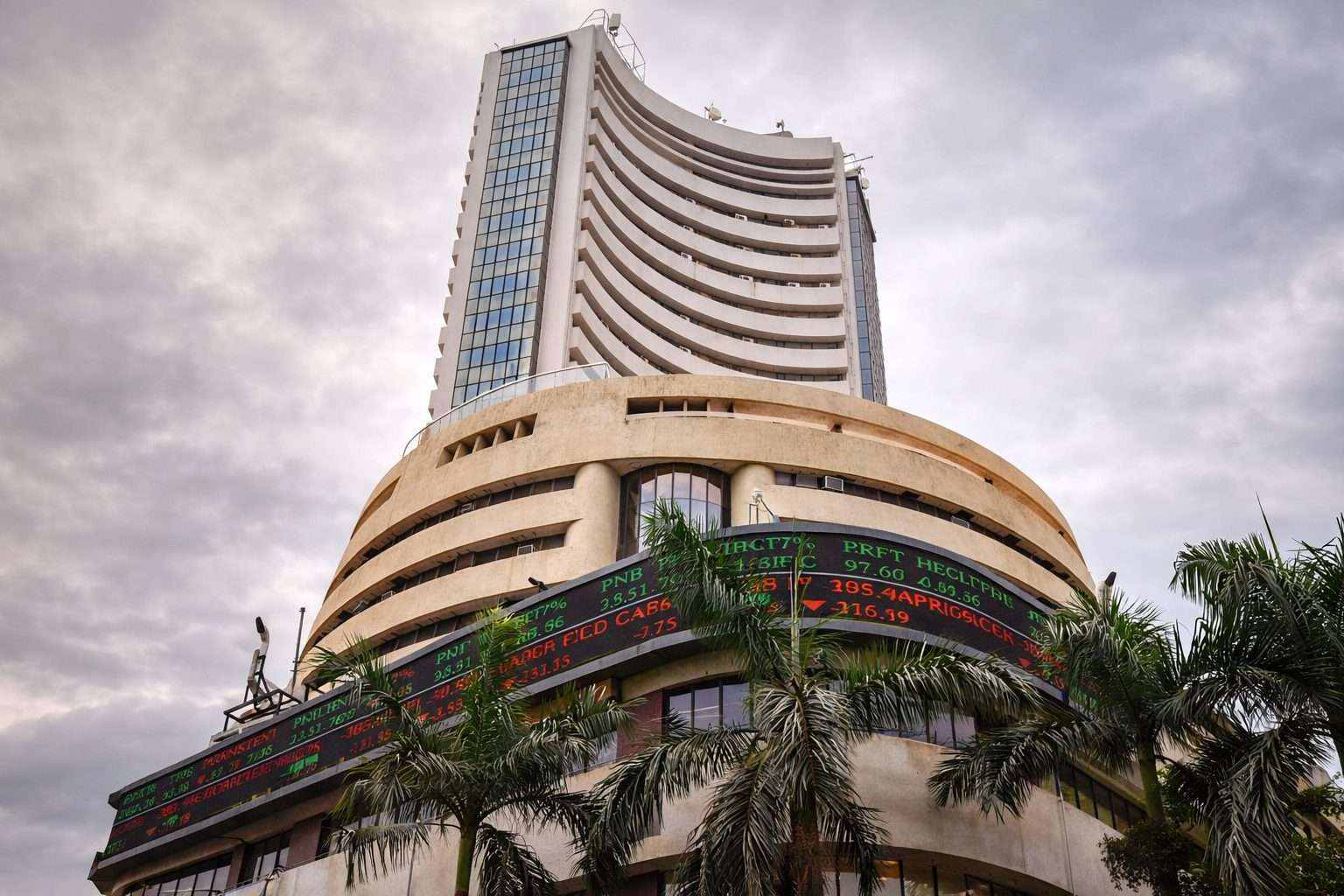
Stocks in India tumbled Thursday. The BSE Sensex sank 1,236.11 points, dropping to 82,498.14. The NSE Nifty 50 also finished lower, off 365 points at 25,454.35.
The decline ended a three-day winning streak, wrapping up a turbulent session marked by a weekly derivatives expiry. Futures and options contracts expired, fueling short-term moves that rattled prices.
The drop stung, coming right after a stretch where the market had managed to climb. Traders were confronted again by the usual suspects—rates, oil, geopolitics—plus a new dose of anxiety as tech heavyweights and AI demand worries resurfaced.
Stocks opened with some momentum, echoing Asia’s early strength after Wall Street’s overnight gains, but the push fizzled out. The Sensex climbed roughly 202 points at its peak, while the Nifty reached 25,885 before both reversed course as selling pressure hit big names.
By the end of the session, every sector index had slipped into the red. Autos, capital goods, real estate, consumer durables and media shares took the heaviest hits. The broader market lost ground, too. Among the top losers: InterGlobe Aviation and Mahindra & Mahindra. On the other side, a handful of names—ONGC, HDFC Life, and Hindalco—managed to finish in positive territory.
Roughly ₹5.3 lakh crore in investor wealth vanished in the rout, taking total BSE market cap down to about ₹466 lakh crore, local reports said. The Sensex at one point plunged more than 1,400 points; Nifty also slid, dipping below the 25,400 mark. India VIX, the options-derived volatility barometer, surged above 13, reflecting the heightened scramble for downside protection.
The Federal Reserve’s January meeting minutes offered little clarity, leaving investors uncertain as officials remained divided—some still on edge about persistent inflation. That kind of uncertainty pushes global yields up and adds pressure to riskier bets.
Crude held steady following Wednesday’s sharp surge, as energy markets kept an eye on U.S.-Iran tensions and ongoing diplomatic efforts in Geneva. During Asian trading, Brent hovered at about $70.59 per barrel, with U.S. WTI close to $65.47. Both sides have indicated they’re seeking to cool things down, but prices remained elevated.
Analysts described the morning’s strength in IT shares as more of a tactical rebound, following a stretch of losses sparked by worries over AI-driven disruption. “Participation remains stock specific, indicating cautious deployment of capital,” said Aakash Shah, technical research analyst at Choice Broking. Reuters
Anand James, chief market strategist at Geojit Investments, sees the market eyeing the 25,900 level, but he’s unsure if the momentum will last beyond that. If sentiment sours, he warns, the index might retreat to 25,728.
Even so, the path forward looks messy. Should crude prices ease or global headlines quiet down, beaten-up banks and cyclical stocks might attract dip buyers. But if oil climbs again, or global rates shift more sharply, volatility could easily stay high into next week.