
LONDON, March 23, 2026, 20:48 GMT
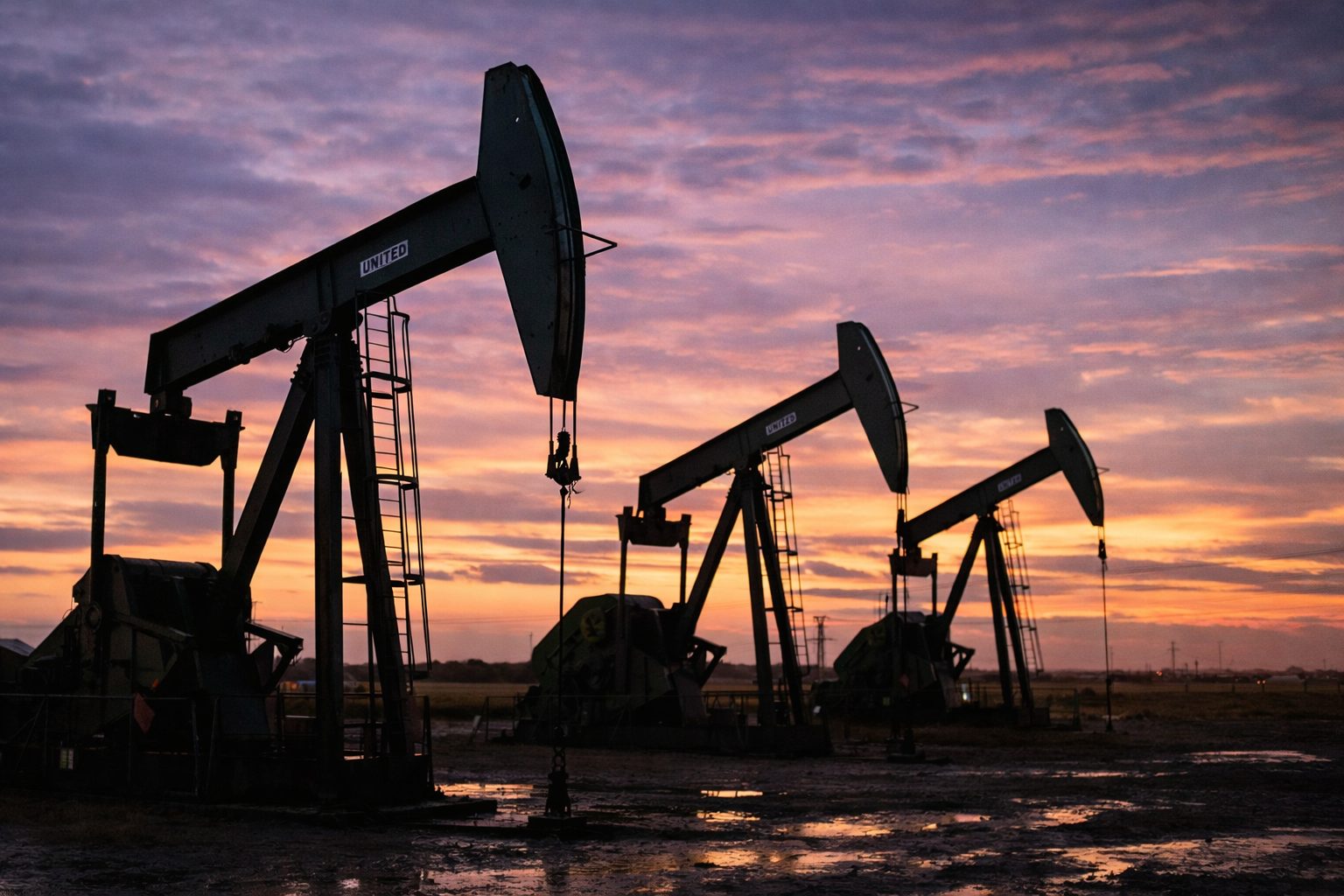
Shell and BP slipped on Monday, tracking Brent crude, which settled just below $100 at $99.94 a barrel after U.S. President Donald Trump hit pause on planned strikes targeting Iranian power plants for five days. The FTSE 100 managed to claw back from heavier losses earlier in the session but still ended 0.2% lower. Shell shares shed 4.2%; BP dropped 2.2%.
The reversal is notable. Just last week, UK oil majors stood out as the market’s go-to safe haven against a war-fueled energy jolt, while traders started to worry that oil above $100 might puncture the prevailing optimism. Monday wiped that away fast—the selling wasn’t sparked by headlines from the companies themselves but by crude’s own swings.
On March 19, Iran hit Qatar’s Ras Laffan complex, sending Brent crude up to $119 for a moment and jolting European gas prices 35% higher. Investors scrambled, pricing in what looked like an extended squeeze on energy. Stocks took a hit: the Stoxx Europe 600 dropped 2.8%, the S&P 500 down 0.9%. Ras Laffan, which handles about a fifth of the world’s LNG—liquefied natural gas shipped globally—was at the center of the turmoil.
A British stock-picking piece this Monday put it plainly: are Shell and BP basically the only FTSE 100 names worth a look when oil and gas climb? That’s what the market’s been saying, with the two giants standing out—hardly any other London blue chips see such a direct lift from rising crude and gas.
Still, both stocks come with complications. Reuters notes Shell holds a stake in the Pearl gas-to-liquids plant at Ras Laffan, now damaged, which processes gas into fuels. ExxonMobil has exposure too—it’s involved in LNG facilities at the same site that suffered damage—while TotalEnergies is also among the bigger foreign players invested in Qatari gas projects.
Norway’s $2.1 trillion wealth fund CEO Nicolai Tangen last week called markets “very resilient and complacent.” Schroders’ head of global economics, David Rees, noted that present oil and gas prices could tack on roughly 1% to UK headline inflation in the next few months. Reuters
The inflation channel is keeping this story much bigger than just those two stocks. On March 19, the Bank of England left rates unchanged as the energy shock intensified. By Monday, investors had at one point been betting on about four quarter-point hikes this year—until a slide in crude oil pushed that back toward three. Gilt yields, the key measure for UK government borrowing, jumped to levels last seen in 2008. Prime Minister Keir Starmer, meanwhile, called an emergency meeting with finance minister Rachel Reeves and Governor Andrew Bailey.
The relief rally could prove short-lived. Iran pushed back on any suggestion of discussions with Washington, despite Trump referencing “major points of agreement.” Goldman Sachs, for its part, bumped up its 2026 Brent target to $85 a barrel on Sunday, while warning March and April prices might still hover around $110—and a major supply disruption could see them spike to $135. Reuters
Top industry names aren’t letting up on warnings, arguing the fallout extends well past crude’s latest swing. Patrick Pouyanne, who runs TotalEnergies, said Monday the impact means more than just “high energy prices”—other supply chains get hit, too. Fatih Birol over at the International Energy Agency went further, calling the current shock bigger than both oil shocks from the 1970s combined. Reuters
Shell and BP are still the go-to FTSE 100 names for traders wanting oil exposure. Monday’s slide was a reminder: gains can evaporate quickly if diplomatic efforts hold. But if Qatar takes serious hits and shipping near the Strait of Hormuz stays snarled, inflation could steal the show—overshadowing any wins for the energy giants.