
LONDON, June 19, 2026, 09:20 BST
- Shell gained 0.7% to around 2,984 pence. Shares opened at 2,991 pence.
- Brent climbed back over $80, with traders questioning the U.S.-Iran truce. Crude still headed for a sharp weekly drop.
- Shell has paused its $3 billion buyback until July 14. That’s when ARC Resources shareholders meet.
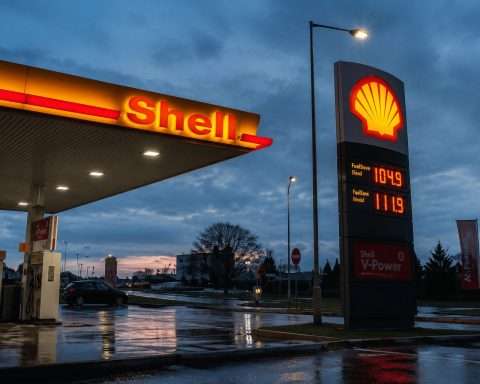
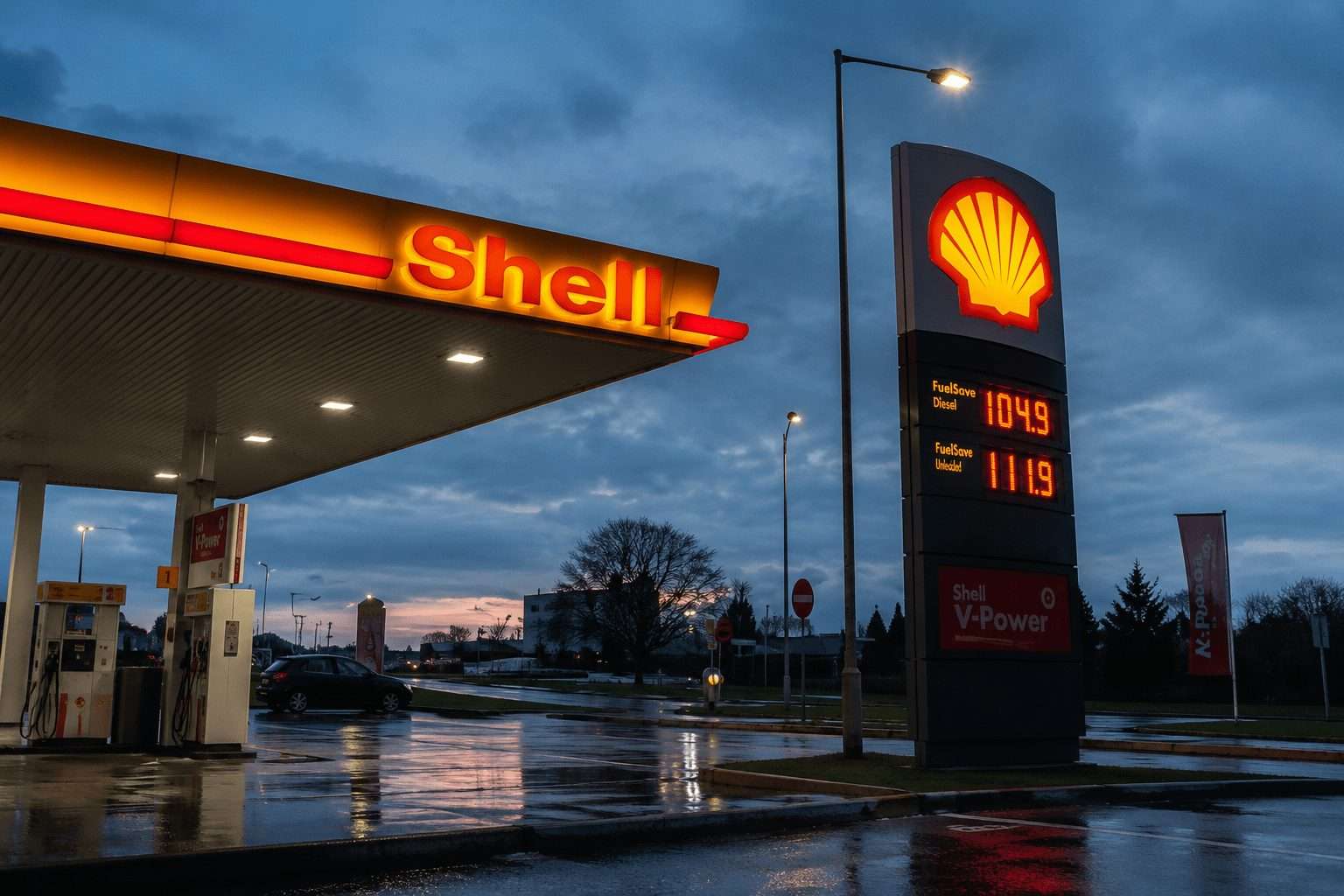
Shell shares gained 0.7% Friday morning in London, recovering some ground after dropping 2.4% Thursday. Oil moved up from recent lows. The stock traded at 2,984 pence, compared to 2,962 pence at the last close.
Shell shares got a lift, but the move looks tied more to the bounce in commodities than any shift in how the market sees Shell itself. Brent added 0.6% to $80.36 a barrel, with U.S. crude gaining 1.7% as scheduled U.S.-Iran talks in Switzerland were scrapped. Still, both Brent and U.S. crude were set to close the week down about 8%.
Oil prices may have hit a floor, according to Vandana Hari of Vanda Insights. Tim Waterer, chief market analyst at KCM, said traders are “waiting for hard evidence” that tanker traffic through the Strait of Hormuz is back to normal. Reuters
FTSE 100 finished flat, up just 0.05% at 10,405.31, as London’s main index saw little action in delayed trade. BP rose 1.5% to around 497 pence, outpacing Shell and tying Friday’s oil move to early gains in energy stocks.
Shell’s rebound still leaves it trading about 20% under the 52-week peak of 3,759 pence it hit on June 4. The stock dropped 2.4% on Thursday, outpacing the FTSE 100’s 1% fall. Investors were quick to strip away some of the war premium in Shell shares.
Shell’s planned $16.4 billion buyout of ARC Resources is the main issue for the company right now. Shell hit pause on its buyback program due to securities law tied to ARC’s July 14 vote, which calls for at least 66% approval. The deal splits out to about 75% in Shell stock and 25% cash.
Shell’s buyback pulls regular demand out, at least for now. The company buys its own stock to cut the number of shares trading, which can help earnings per share. This halt is only temporary. But the move comes as Shell is already dealing with softer crude and more shares following recent deals.
Shell is heading into the period with reported earnings holding up. Adjusted earnings for the first quarter were $6.92 billion, beating the $6.36 billion company consensus figure. CFO Sinead Gorman said the higher dividend showed confidence in Shell’s “long-term cash flows”. But the quarterly buyback is already down to $3 billion from $3.5 billion to keep liquidity in check. Reuters
Shell’s first-quarter payout will be 29.18 pence per ordinary share for shareholders paid in sterling, due June 29. Share buybacks are still on hold, but the dividend keeps some stability for investors.
The risk works both ways. If there’s a lasting truce and Hormuz opens wider, more oil could hit the market and push down crude and Shell shares. Fresh fighting could send prices higher, but Shell doesn’t offer a pure play on escalation. The company has already warned that war disruptions would lower gas output and could trigger a $10 billion to $15 billion working-capital outflow, with more cash stuck in the business.
Right now, the market is sending a simple signal. Shell’s planned dividend payout and the ARC vote are in focus, but traders say the next real driver for the stock will probably be what happens with Brent crude and signs that Gulf shipping is stabilizing—or not.