
London, May 19, 2026, 11:05 BST
- Shell dipped in London, pulling back after Monday’s sharp rally.
- Buybacks, dividend growth and CEO pay are on the agenda for investors at today’s AGM.
- High oil prices are supportive here, though debt, LNG production and geopolitics still drive the outlook.
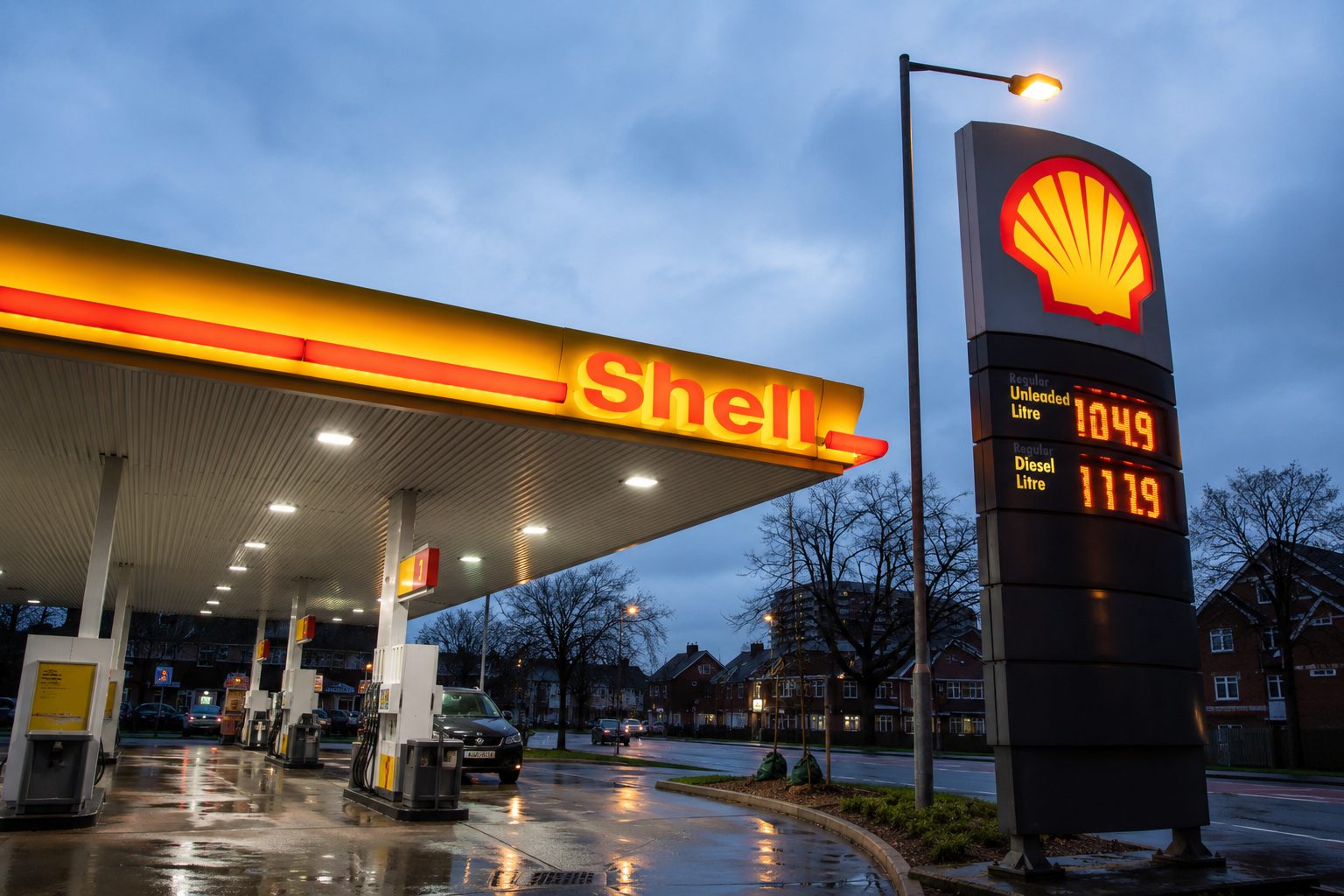
Shell shares edged lower early Tuesday in London, with investors watching the oil giant’s annual meeting for updates on dividends, executive pay and company strategy. Shell traded at 3,282 pence, off 0.23%, according to delayed Bloomberg prices.
Shell’s meeting kicked off at 11:00 UK time, landing during market hours. On the agenda: a vote on pay policy, buyback powers, and a shareholder proposal seeking more details about how Shell would make money if oil and gas demand drops.
The stock gained 2.97% to finish at £32.90 on Monday, outpacing the 1.26% lift in the FTSE 100, London’s main share benchmark. But even with the jump, shares were still 8.42% off the 52-week peak of £35.92 set on March 31, MarketWatch data showed.
Shell continued to buy back stock, reporting that it bought 231,000 shares for cancellation on May 18. The average price paid was £32.4578 per share on the London Stock Exchange. A buyback cuts the number of shares on the market, which can push up earnings per share if profits stay the same.
Shell’s daily disclosure is part of a $3 billion buyback that runs until July 24. The company said it will cancel all shares it repurchases in this programme and aims to wrap up the buyback before it reports second-quarter results, if market conditions allow.
Shell’s pitch to investors is still about cash. The company said first-quarter adjusted earnings came in at $6.915 billion, its preferred profit metric. Shell raised its quarterly dividend 5% to $0.3906 per share and put 2026 cash capex at $24 billion to $26 billion, with about $4 billion earmarked for the ARC Resources buy. “We are rebalancing our shareholder distributions,” Chief Executive Wael Sawan said. Ntb
Shell’s move has drawn some criticism. CFO Sinead Gorman said the higher dividend signals Shell’s “confidence” in steady cash flow over time, but Citi’s Alastair Syme argued the smaller total payout from dividends and buybacks “should have come earlier.” Reuters said Shell’s trading gains lined up with solid oil trading results at BP and TotalEnergies. Reuters
Brent crude held near $110 a barrel on Tuesday, slipping a bit as traders looked to diplomatic moves with Iran, but oil still dominates the short-term picture. That leaves Shell with stronger cash flow on the upstream side, but also more swings in working capital.
Shell’s board is also under pressure over governance. Reuters said in March that the board planned to ask shareholders on May 19 to boost the maximum pay package for Sawan. His pay for 2025 is set at £13.8 million, up from £8.6 million the year before. The new plan would lift the target performance share awards to 450% of salary, and up to a 900% maximum.
But it cuts both ways. A further drop in crude prices could wipe out Shell’s trading gains. The company has warned already that more disruption could mean a sharp fall in second-quarter integrated gas output, with LNG volumes at risk too. Gearing is now around 23%, so if cash flow slips, management has less flexibility to increase buybacks.