
London, May 20, 2026, 13:14 BST
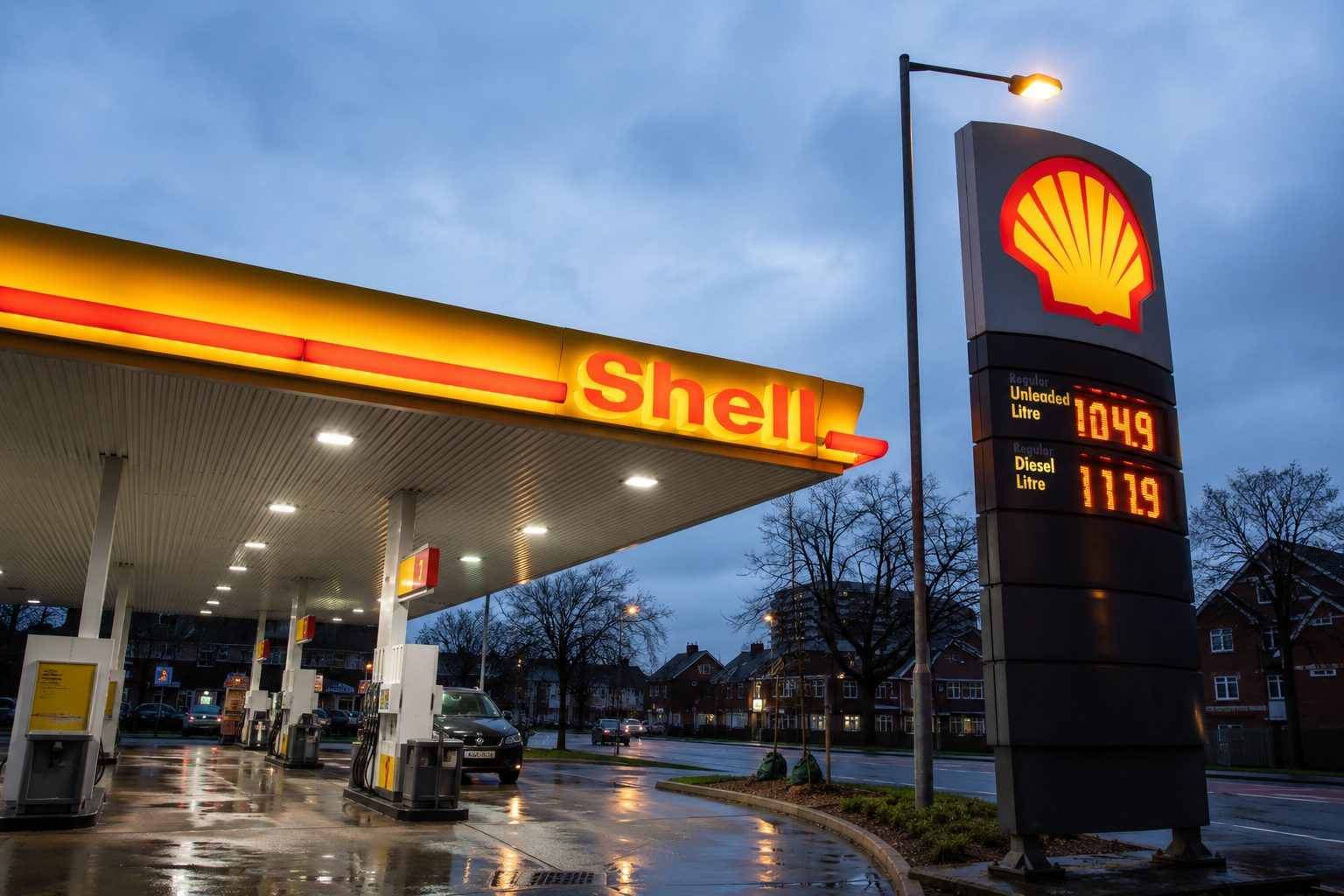
Shell shareholders handed Chief Executive Wael Sawan a strong vote of confidence on Tuesday, rejecting a climate activist resolution by 86.99% to 13.01% and reappointing him with 98.86% support, Shell’s annual meeting results showed. Chairman Andrew Mackenzie won 94.08%, leaving the board with a clear mandate to keep pressing its oil-and-gas-heavy strategy.
The timing matters. Brent crude fell $2.97 to $108.31 a barrel on Wednesday after comments from U.S. President Donald Trump pointed to a possible easing of the Iran conflict, but the price remained high enough to keep investors focused on cash generation at the large oil producers.
Sawan used the meeting to argue that the market shock supports Shell’s case. He told shareholders global events had shown meeting oil demand would remain “essential for decades”, while the defeated resolution asked Shell to explain how it would create value if oil and gas demand declines. London South East
Shell shares were up 0.18% at 3,290 pence to sell and 3,291 pence to buy in delayed London data. The London Stock Exchange’s regular session runs from 8:00 a.m. to 4:30 p.m. BST, putting the move in normal mid-session trade rather than a holiday-thin market.
Follow This, the Dutch climate shareholder group behind the proposal, called the vote a sign that a minority of investors still want more detail on a lower-demand world. Mark van Baal, its CEO, said the result showed “significant doubt among investors about Shell’s fossil-focused strategy”. Follow This
Shell’s recent numbers give Sawan cover. Adjusted earnings — its profit measure excluding some accounting swings — rose to $6.92 billion in the first quarter from $5.58 billion a year earlier, while Shell declared a $0.3906 dividend and a $3 billion share buyback, meaning it plans to buy its own shares to reduce the share count. The catch was cash: operating cash flow was held to $6.1 billion after an $11.2 billion working-capital outflow, and gearing, a debt measure, rose to 23.2%.
Analysts are split less on the cash today than on how long it lasts. HSBC analyst Kim Fustier upgraded Shell and Repsol to Buy, saying Shell’s valuation gap with TotalEnergies was “unwarranted” because of its higher distribution yield, lower Middle East exposure and better upstream visibility; distribution yield is the cash returned to investors through dividends and buybacks relative to share value. Investing
The vote also put Shell in a different place from BP. Shell allowed the Follow This proposal onto its AGM ballot and recommended against it, while BP had decided not to include a similar resolution, drawing pushback from some shareholders and proxy advisers.
A separate Wednesday move underlined Shell’s portfolio direction. QatarEnergy said it had acquired interests in three offshore Uruguay blocks from BG International, a Shell subsidiary, giving the Qatari state company its first entry into Uruguay’s upstream sector — the exploration and production side of oil and gas.
Under the agreements, QatarEnergy took 18% of block OFF-4, where APA Corporation holds 50% and Shell keeps 32%; it also took 30% of OFF-2, operated by Shell with 70%, and 30% of OFF-7, where Shell keeps 40% and Chevron holds 30%. QatarEnergy CEO Saad Sherida Al-Kaabi said the deals “mark our first entry into Uruguay’s upstream sector”. Energy Connects
The blocks sit off Uruguay’s Atlantic coast in water depths of 40 metres to 4,000 metres and range from 11,155 to 18,227 square kilometres. Uruguay is still a frontier basin, not a producing prize; that makes the deal more option than payoff for Shell.
But the story is not one-way. A durable reopening of the Strait of Hormuz, or a faster peace track, could pull crude lower and dull some of the trading and refining lift that helped Shell’s first-quarter results. Shell has also said its buyback may need to pause around the ARC Resources shareholder circular, a reminder that capital returns are large but not automatic.
For now, investors have chosen the cash and the near-term energy shock over the activist case for more transition-risk disclosure. The next harder test comes with Shellc’s second-quarter numbers on July 30, when markets will get a clearer view of how much of the war-price windfall became cash.