
Sydney, June 24, 2026, 07:08 (AEST)
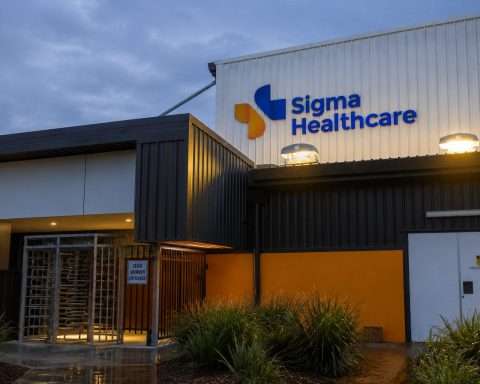
Sigma Healthcare is set to start Wednesday trading with its market cap still about A$2.1 billion under where it stood on June 9, even after the company scrapped its short-lived bid for the UK’s Boots chain.
Sigma shares finished Tuesday at A$2.74, down 0.7%. They traded at A$2.92 before news of the Boots talks. With 11.54 billion shares out, the drop puts the lost market value at about A$2.08 billion.
The S&P/ASX 200 climbed 2.1% in the same stretch, putting Sigma 8.3 percentage points below the index. That gap stands out. It shows investors aren’t just discounting takeover risk—they’re holding back Sigma’s old valuation until the company can show domestic growth and merger gains translate to earnings.
Sigma trading stayed busy again. The 27.8 million shares traded Tuesday was the third-highest for Sigma in the past 11 sessions since June 9, putting it at 11th for volume on the ASX. There’s been no announcement from Sigma after June 15, so this looks like the market is shifting positions in the absence of new company news.
Sigma ended at A$2.64 on June 12 after disclosure, its lowest since then. Shares climbed back to A$2.80 when the board said buying Boots didn’t fit with its strategy or capital targets. By Tuesday’s finish, the stock had given back 37.5% of that 16-cent recovery.
“Investors appear to have breathed a sigh of relief,” said Marc Jocum, senior product and investment strategist at Global X ETFs, after Sigma pulled out. Jocum said shareholders seemed to want the company to focus on what it has now, rather than chase another big deal. Reuters
Macquarie kept its “outperform” on Sigma, maintained the A$3.50 target. Analysts estimated getting Boots would have boosted earnings per share by about 2% in their base case. They called Sigma’s smaller Greenlight project a more cautious step to try the Chemist Warehouse model in the UK. Investing
Australian Chemist Warehouse stores posted a 14.4% like-for-like sales increase through April, while international comparable sales were up 11.8% through March. Like-for-like figures do not include sales from new store openings. CEO Vikesh Ramsunder said GLP-1 drugs have led to customers putting 40% more units in their baskets, calling the sales uplift “an enduring benefit”. GLP-1 medicines are mainly used for diabetes and obesity.
But the half-year numbers mean a tough bar. Normalised revenue up 14.9% to A$5.51 billion. EBIT rose 18.7% to A$582.9 million and margin lifted 34 basis points to 10.6%. Sigma said its first half tends to be better, but marketing costs jumped 16.8% and admin costs 17%. If comparable sales ease, that operating margin could tighten fast.
EBOS, which competes in healthcare distribution, dropped around 1.9% from June 9 to June 23. Sigma fell 6.2% in the same stretch. EBOS isn’t a strict retail peer due to its wider business, but with a gap near four percentage points, Sigma’s slide looks company-specific, not just due to the sector.
Boots transaction risk is off the table, but valuation still lags. Sigma faces the task of turning strong double-digit comp sales growth into steady margins. The company needs to do it without sparking worries about expansion and capital spend.