
New York, March 10, 2026, 13:51 EDT
- Spot silver climbed 2.8% to $89.42 an ounce Tuesday, rebounding after a 0.2% dip the day before.
- The dollar slipped and oil prices tumbled, cutting into concerns that sticky inflation might keep U.S. rates elevated.
- Investors are eyeing U.S. consumer price figures set for Wednesday, with the Fed’s favored Personal Consumption Expenditures index following on Friday—both seen as crucial checkpoints for the rally.
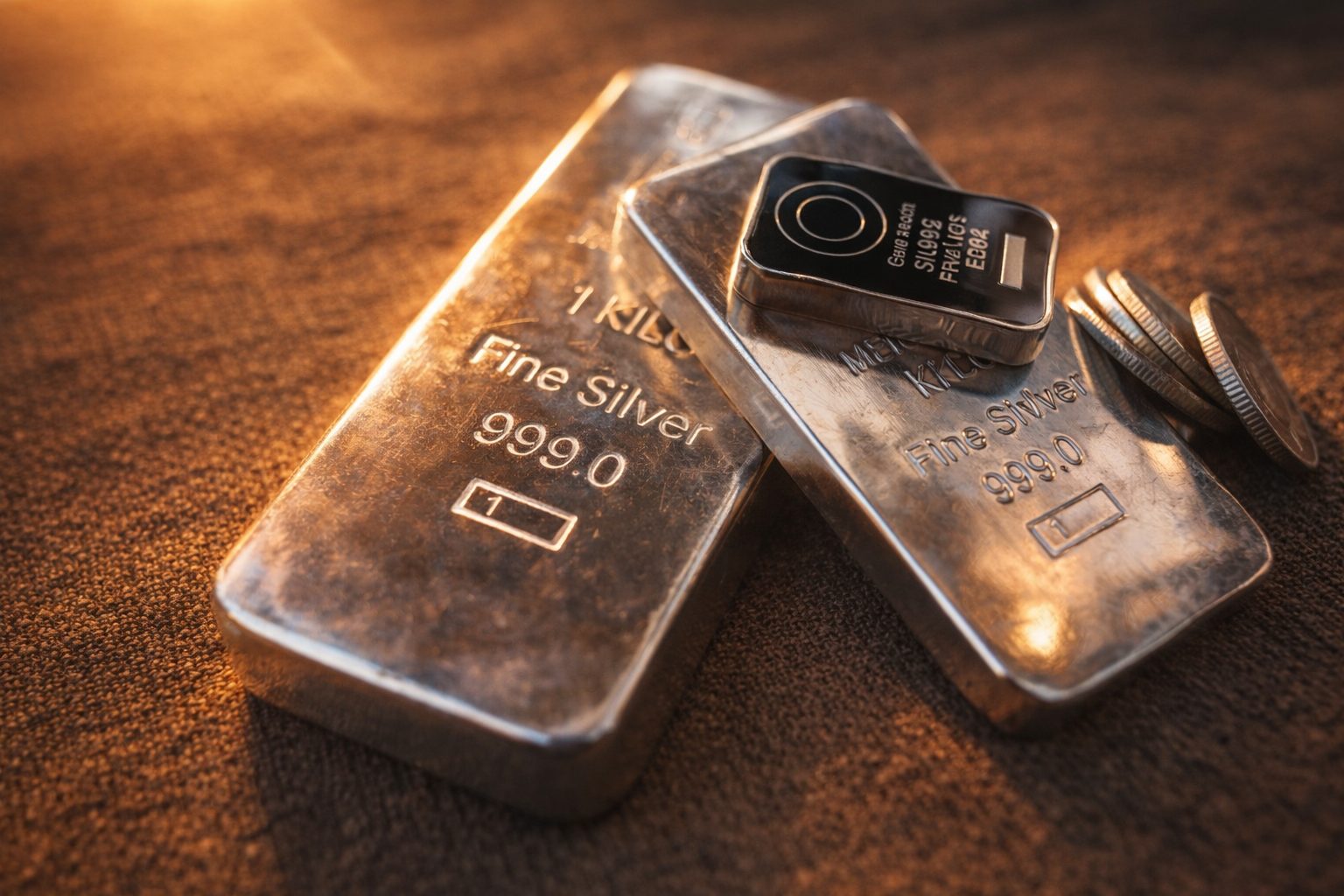
Spot silver jumped 2.8% to $89.42 an ounce on Tuesday, clawing back ground alongside gold as the dollar lost momentum and oil prices slid. That uptick erased some of Monday’s dip, when silver dropped 0.2% to $84.18, pressured by a firmer dollar and worries over rising rates dragging on precious metals.
The stakes are obvious right now. Silver’s caught in a tug-of-war: safe-haven flows are pushing it one way as investors seek shelter, but worries that stubbornly high oil prices might force the Federal Reserve to keep rates elevated for longer keep pulling it back—never great for non-yielding metals. Tuesday’s jump made clear just how quickly that dynamic can turn.
Bart Melek, TD Securities’ global head of commodity strategy, pointed out that with oil prices coming down, they’re “no longer high enough to seriously limit” Fed rate cuts. That took some pressure off after Monday’s oil shock, which had sent the dollar climbing to a near three-month peak and dragged silver down. Reuters
Oil took center stage. Brent tumbled 12.6% to $86.50 a barrel on Tuesday, falling back after topping $119 just a day before, as earlier concerns about an extended Strait of Hormuz shutdown rattled traders. Suvro Sarkar, who leads the energy sector team at DBS Bank, pointed to Trump’s talk of a short war as something that “calmed markets.” Reuters
The risk remains. On Tuesday, Reuters said U.S. and Israeli strikes against Iran escalated, while markets still priced in hopes for a brief conflict. G7 energy ministers, for now, stopped short of immediate action, instead telling the International Energy Agency to draft contingency plans for a potential emergency stock release.
Silver’s gains came alongside a broader move in precious metals. Gold climbed 1.7% to $5,222.74 an ounce. Platinum jumped 2.4%, reaching $2,234.35. Palladium, however, slipped 0.9% to $1,675.99. The rebound wasn’t limited to silver—gold and platinum showed strength too.
Supply’s not catching up just yet. Back in February, the Silver Institute flagged a sixth consecutive year where demand should outpace what’s coming out of the ground—even with overall supply projected up 1.5%, reaching a ten-year high. Silver’s uses run from jewellery through to electronics, solar panels, and electric vehicles.
That’s the optimistic scenario. On the flip side, prices could be outpacing real-world demand. A Reuters survey last month pegged the average price for silver in 2026 at $79.50 an ounce—under where spot was trading Tuesday. Julius Baer’s Carsten Menke flagged that industrial demand is cooling, as solar makers either cut back on silver use or look for alternatives.
All eyes now turn to this week’s U.S. inflation prints. Wednesday brings consumer price figures, while Friday’s calendar shows the Fed’s favored Personal Consumption Expenditures index. For now, markets still lean toward the Fed keeping rates unchanged at its March 17-18 meeting. Kitco Metals senior analyst Jim Wyckoff flagged a risk on Monday: a strong inflation reading could leave the Fed “into kind of a quandary.” Reuters
At the moment, silver has climbed back close to $90, though that’s still a far cry from the $121.64 high it reached on Jan. 29, following a surge of retail and momentum-driven buying. Moves like that tend to rattle the market. Swings can come fast, in either direction.