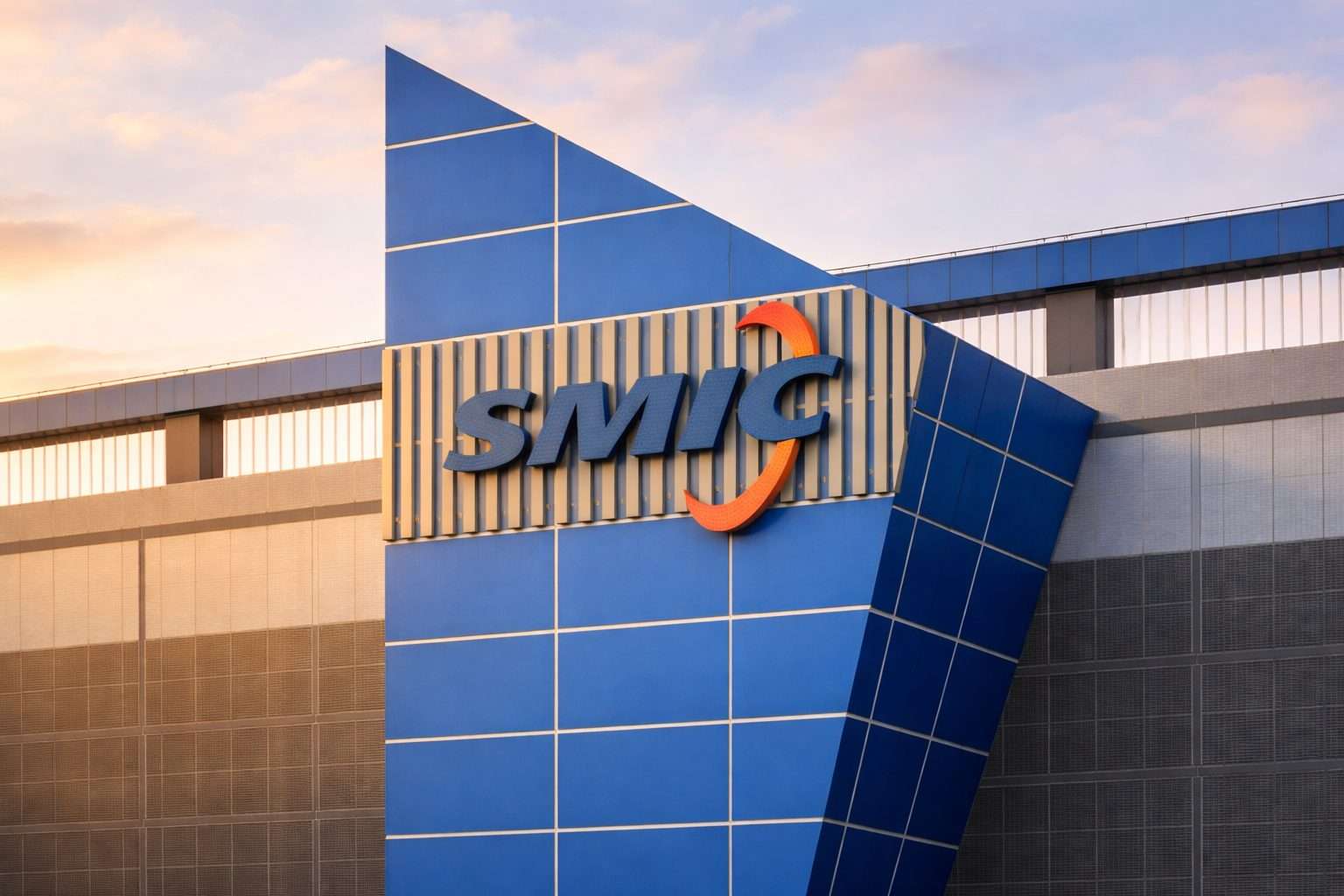
SHANGHAI, March 29, 2026, 18:11 CST
Semiconductor Manufacturing International Corp faces fresh geopolitical pressure after Reuters reported that two senior U.S. officials said the Chinese chipmaker had supplied chipmaking tools to Iran’s military. The officials said the transfers began about a year ago and likely included technical training; it was not clear whether the tools were of U.S. origin, and SMIC did not immediately respond to Reuters’ requests for comment. 1
The timing matters. In a March 26 action plan filed in Shanghai and Hong Kong, SMIC said it would keep building on existing operations and seek new growth in 2026, with steps spanning management, research and development, governance, investor relations and ESG — environmental, social and governance — work. 2
Beijing pushed back. Foreign Ministry spokesperson Lin Jian said he was not aware of the specific allegation and added that some media outlets had recently been churning out “dubious news” that turned out false after verification. 3
SMIC’s 2025 annual report showed why the company is closely watched. Revenue rose 16.2% to $9.33 billion and profit attributable to owners climbed 39% to $685.1 million; monthly production capacity topped 1 million wafers on an 8-inch-equivalent basis, a standard way to compare different wafer sizes, and China made up 85.6% of sales. Executive Chairman Liu Xunfeng wrote that 2026 was “a year of strategic opportunity” as the group sought to defend its place as the world’s second-largest pure-play foundry — a contract chipmaker that manufactures chips for others. 4
SMIC had already warned that expansion would not come cheap. On a February earnings call, co-CEO Zhao Haijun said the supply chain serving Chinese chip customers had “shifted to Chinese production throughout the year”; the company plans to add about 40,000 12-inch-equivalent wafers of monthly capacity by the end of 2026, while a 30% jump in depreciation costs is set to weigh on margins. 5
That build-out is part of a wider domestic race. Reuters reported last month that SMIC and Hua Hong Semiconductor were aiming to raise output of 7-nanometer chips — a node name used as shorthand for a more advanced manufacturing class — to meet rising AI demand. 6
Investors are still cautious. SMIC’s Hong Kong-listed shares closed at HK$52.50 on Friday, down 1.22%, according to HKEX data. 7
But the path could get rougher from here. A helium shortage linked to the Middle East conflict has started to hit tech supply chains; Cameron Johnson, a senior partner at Tidal Wave Solutions, said at Semicon China that the shortage was “an absolute concern” and could force manufacturers to slow output and prioritise critical products. 8