
London, March 3, 2026, 09:33 GMT — Regular session
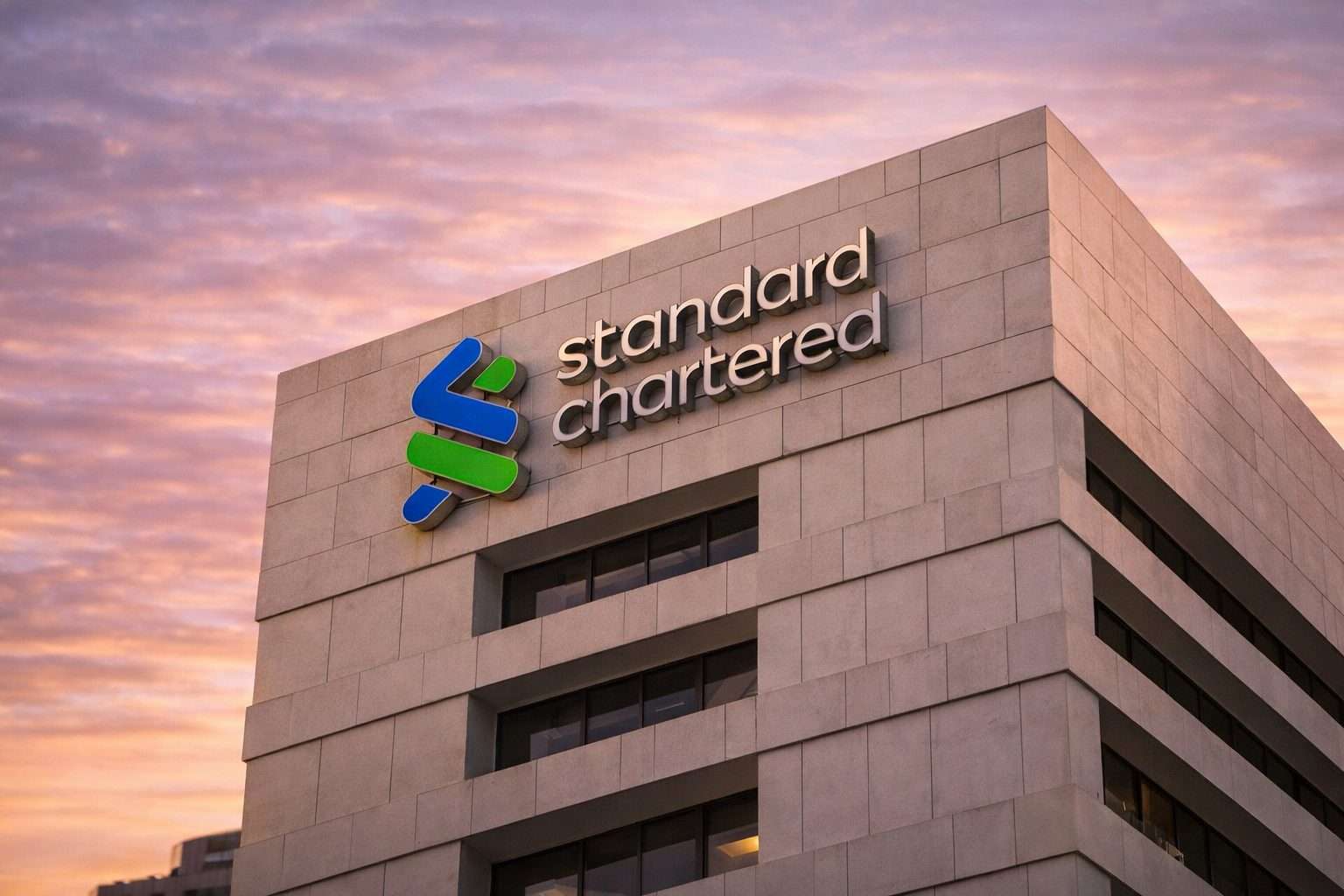
Standard Chartered PLC dropped almost 4% in early London trade on Tuesday, deepening losses across UK banks. Shares traded at 1,666 pence, down 3.98% at 0933 GMT. HSBC, Barclays, and Lloyds were also off by more than 4%.
Since the weekend, risk assets have been under pressure, with the U.S.-Israeli war against Iran driving oil prices up and stoking fresh inflation fears—just as central banks look for room to cut rates. By Monday, traders put the likelihood of a Bank of England rate cut in March at roughly 52%, a sharp slide from 78% last week. “If the issues persist, then the market will start to worry about new inflationary pressures,” said Dan Coatsworth, head of markets at AJ Bell. Reuters
Boardrooms and trading desks are feeling the impact. Standard Chartered told staff to hold off on Middle East trips, according to Reuters, with banks preparing for possible hiccups in fundraising and cross-border deals.
Standard Chartered shares slid 5.29% on Monday, ending the session at 17.35 pounds. Trading was brisk—around 6.6 million shares changed hands, well over the 50-day average of 4.7 million. The stock now trades about 10% below its 52-week high of 19.24 pounds reached back on Feb. 3, according to MarketWatch.
Standard Chartered disclosed in a Tuesday filing that it repurchased 808,989 shares on March 2, paying a volume-weighted average of 1,733.3119 pence per share. The move forms part of the bank’s buyback programme, with the acquired stock set to be cancelled, according to the company.
The bank says it’s calling back the entire HK$1.1 billion of 4.70% notes set to mature in March 2027, opting to exercise its early repayment option. March 21 is slated for redemption, with the notes’ London listing set for cancellation on or just after March 24.
Banks in Europe took a heavy blow Monday, caught in the crossfire as oil prices spiked and traders piled into safer assets. “We expect a short, hard-hitting regional conflict,” said Paul Christopher, head of global investment strategy at Wells Fargo Investment Institute. Historically, he noted, markets have tended to rebound once the fighting no longer threatens oil supplies. Reuters
But there’s no assurance it’ll turn out that way. European stocks slid further on Tuesday, banks back in the red as one of the session’s weakest groups. Oil’s surge stoked cost-of-living jitters; ECB chief economist Philip Lane flagged the risk that a prolonged conflict could drive inflation higher and hit growth. For banks, that spells softer loan demand and bigger credit-loss cushions.
Traders in the UK are zeroed in on March 19, when the Bank of England hands down its next policy decision.
Standard Chartered reports first-quarter earnings on April 30. Investors will be watching for signals on client activity, credit quality, and capital returns.