LONDON, March 3, 2026, 08:53 GMT
- Brent pushed past $80 a barrel for the third session running, with elevated shipping risks near the Strait of Hormuz adding fuel to the rally.
- UK wholesale gas surged once more, sending this week’s advance close to 100% in early trading.
- Some vessels got their war-risk insurance yanked, pushing freight costs sharply higher as ships either paused or changed course.
Brent crude climbed more than $3 on Tuesday, pushing its three-day rally further as the U.S.-Israeli conflict with Iran ramped up and new threats to shipping in the Strait of Hormuz stoked concerns over potential supply hits. As of 0745 GMT, Brent was trading at $80.89 a barrel; U.S. West Texas Intermediate stood at $73.78, according to Reuters. 1
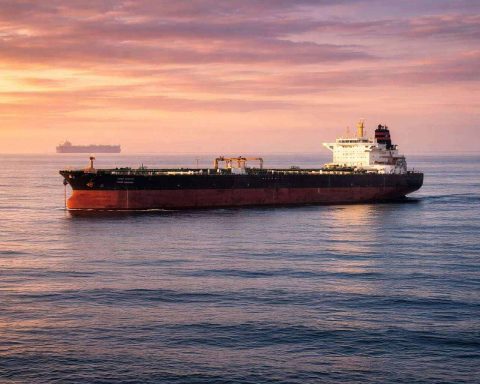
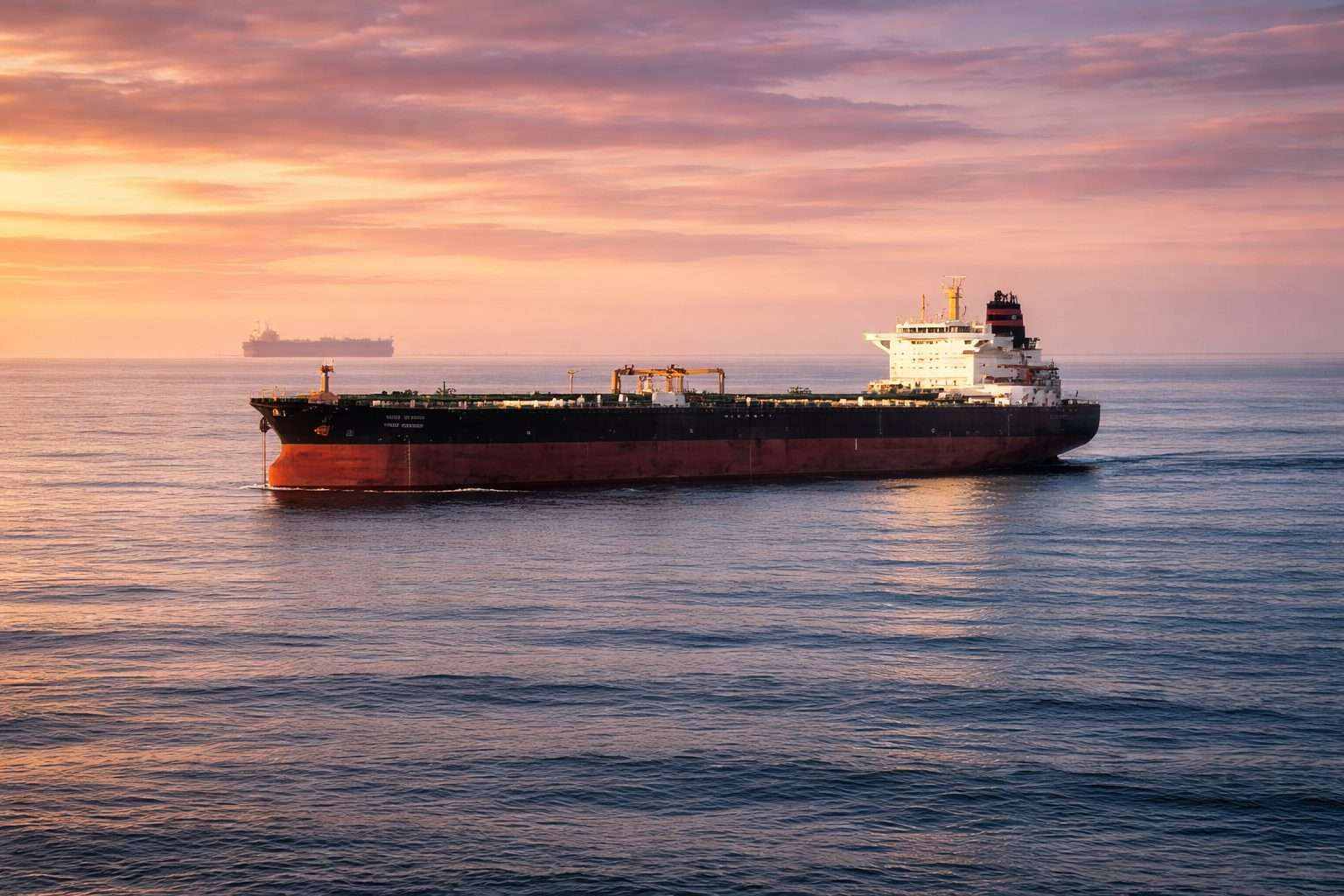
The Strait of Hormuz—wedged between Iran and Oman—handles roughly a fifth of the world’s oil flows, plus hefty gas shipments. After tanker attacks, vessel traffic has plunged. “Traffic is down at least 80 percent,” Michelle Bockmann, senior maritime intelligence analyst at Windward, told Al Jazeera. 2
In Europe and some Asian markets, gas is turning into the sharper headache. Buyers there lean on seaborne LNG, but if tankers are stuck, other options dry up fast. Nils Pratley at The Guardian pointed out that a gas shock, given Qatari LNG’s ties to Hormuz, feels closer to home than any oil squeeze right now. 3
Brent crude surged to $80.43 a barrel in London, a level last reached in January 2025, according to Sky News. UK day-ahead gas spiked as well, hitting 151 pence a therm for a brief stretch—the highest in three years. Shipping could be “paralysed” even ahead of any official shutdown, Argus Media’s chief economist David Fyfe warned. As for whether these elevated prices will last, Fyfe said it’s “too early to assess.” 4
Iran’s Revolutionary Guards reported that the Honduran-flagged fuel tanker Athe Nova was ablaze in the strait after a pair of drones hit the vessel, according to Iranian sources cited by Reuters. Reuters added that the tanker’s registered owner and manager weren’t available for comment right away. 5
The threat now shows up in global trade paperwork. According to Reuters, some insurers have begun pulling war-risk cover for ships operating in the Gulf after vessels were hit or left stuck, with at least two fatalities reported. Munro Anderson from Vessel Protect, a marine war insurance specialist, described the market as dealing with a “de facto close” of the strait, all because of the risk perception. 6
QatarEnergy has stopped LNG production following drone strikes on its Ras Laffan and Mesaieed sites, the company confirmed. The shutdown threatens to squeeze global supply out of the top LNG export hub. LNG—short for liquefied natural gas—is natural gas chilled into liquid form for transport by ship. 7
Natural gas prices in Europe surged on Monday after the conflict disrupted supply lines. According to Euronews, the Dutch TTF contract—Europe’s key benchmark—spiked by as much as 45%, hitting roughly €46 per megawatt-hour. 8
Stocks dropped. London’s FTSE 100 slid 1.2% on Monday, The Guardian noted, with travel and airline names sinking, even as BP and Shell picked up ground after crude prices climbed. The International Maritime Organization told ships to “exercise maximum caution,” according to secretary general Arsenio Dominguez. 9
Freight is starting to trade like any other commodity. Supertanker rates for shipments from the Middle East to China soared, touching $423,736 per day. LNG freight rates spiked over 40% on Monday, according to shipping data cited by Reuters. “Very strong competition” is expected for any LNG vessels still up for grabs as operators push through backlogs, Wood Mackenzie analyst Fraser Carson said. 10
Still, Citi isn’t counting on prices just heading higher—analysts there see Brent moving between $80 and $90 in the next week, and warn a slide back toward $70 is possible if tensions ease. Macquarie’s Vikas Dwivedi, cited by Reuters, figures the global market could weather a shutdown for a week or two, but says the strain would ramp up fast after that. 11
Right now, traders are eyeing both the timeline for ships to return to Hormuz and the duration of Qatar’s LNG outage. A brief interruption is enough to snarl deliveries and lift fuel prices. If the standoff drags on, though, a shipping scare could easily escalate into a wider inflation shock.