
WASHINGTON, June 27, 2026, 09:03 EDT
- SAVE borrowers don’t have to exit the plan before Sept. 29, and most will get extra time as the notices are sent in waves.
- The SAVE plan has 7.5 million borrowers, nearly nine out of ten compared to the 8.4 million borrowers Federal Student Aid reported with at least one loan in forbearance as of March 31.
- Autopay enrollment is at 40%, way off from over 80% pre-pandemic, even as the Education Department tries a 1% autopay rate cut to rebuild payment habits.
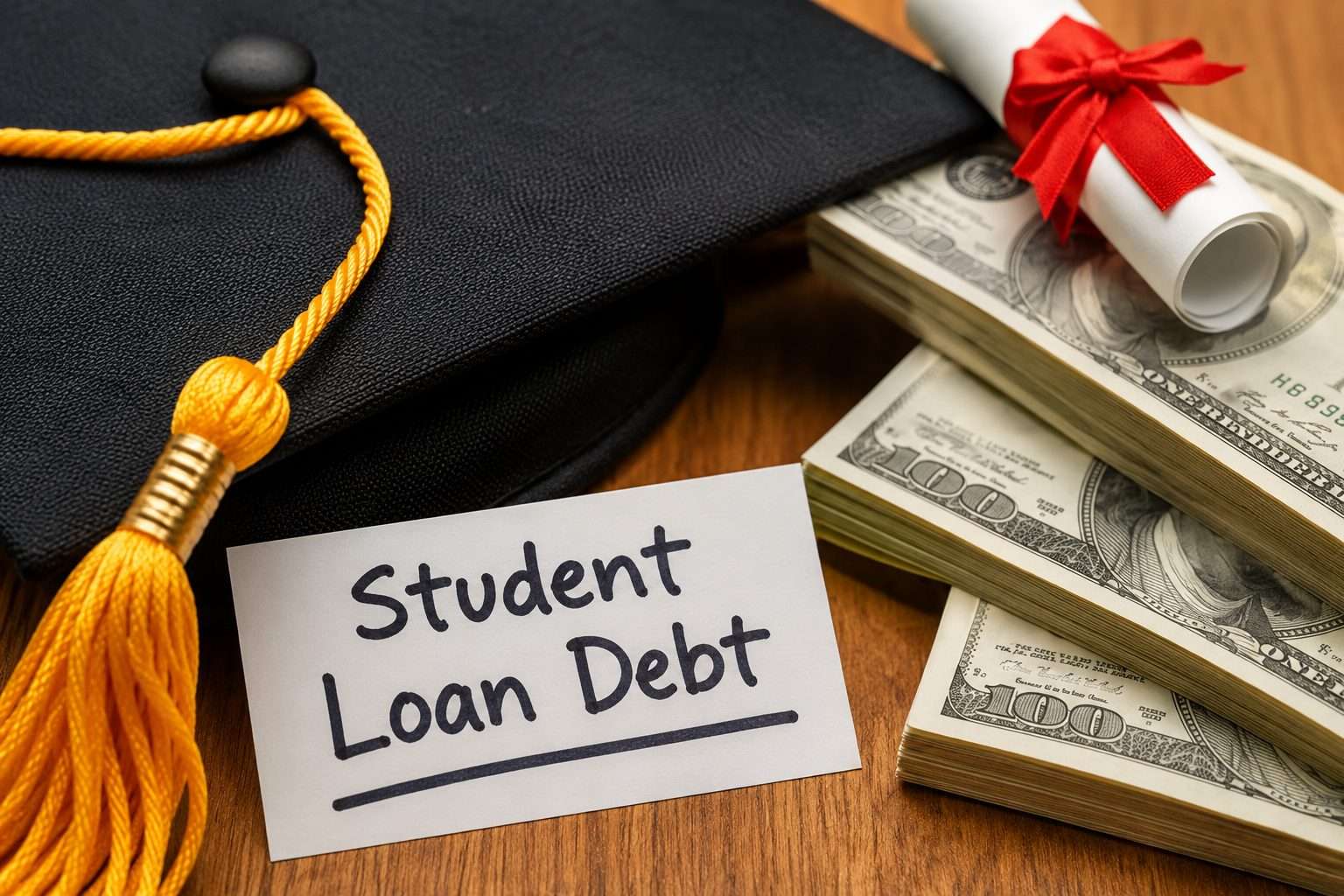
Trump’s team is taking longer to push borrowers out of the SAVE student-loan repayment plan, shifting a big part of federal loans back onto staggered repayment. That delays the immediate payment spike for borrowers, but leaves servicers, private lenders and credit investors facing more months of limbo.
Scale is the driver here. In March, the Education Department said 7.5 million borrowers were in SAVE. The latest Federal Student Aid update, posted June 23, reported 8.4 million had at least one loan in forbearance as of March 31—covering about $485 billion in federal student loans. These aren’t exact matches, but the SAVE number comes close to nine-tenths of the forbearance total.
Business Insider said Friday that, according to a court filing, the department told a federal judge borrowers can stay on SAVE until at least Sept. 29. The filing also said most borrowers will get more time as the switch is set to happen in stages.
That’s not a clear break. The department’s March guidance still stands: servicers begin sending notices July 1, telling borrowers they have 90 days to choose a different plan. If borrowers do nothing, they get put into either the Standard Repayment Plan or the new Tiered Standard Plan.
Four borrowers, backed by Public Goods Practice, want to halt the transfer. In a filing June 23 in U.S. District Court for the District of Columbia, they said the department needs to bring back REPAYE, the plan that SAVE took over from, and freeze the forced switch for now. According to the filing, 3.3 million borrowers with almost $200 billion in loans used REPAYE before SAVE.
“Once borrowers start getting transferred over, injuries for lots of borrowers could start to happen right away,” said Austin Hinkle, managing partner at Public Goods Practice, in an interview with Business Insider. Hinkle was talking about higher monthly bills. Business Insider
Student Debt Crisis Center said in its amended suit it wants an immediate discharge for borrowers hitting forgiveness under SAVE, and wants other SAVE borrowers moved into REPAYE instead of pricier plans. “REPAYE should absolutely be available” for borrowers pushed out of SAVE, SDCC president Natalia Abrams said. SDCC
Autopay is the department’s tool here. Starting July 1, federal borrowers using autopay can get their interest rates cut by 1%, as long as they enroll by Sept. 30. The lower rate will last until June 30, 2028. Borrowers already on autopay will see their discount boosted to 0.75 percentage point, up from the previous 0.25%. A $40,000 Direct Loan could mean up to $400 in annual savings before amortization.
Repayment rates are still low, Under Secretary of Education Nicholas Kent said, but he expects the temporary incentive to “drive up repayment rates” and help the federal loan portfolio. Just 40% of active-repayment borrowers use autopay now, according to the release, down from over 80% before COVID-19. U.S. Department of Education
Investors aren’t focused on owning the federal loans themselves. FSA controls more than $1.64 trillion in federally held assets. The key issue is when payments start up again, which borrowers will default, and if call centers and servicing platforms can handle millions of changes to plans without more mistakes.
Public student-loan stocks ended Friday with a final print for investors. SoFi Technologies Inc. NASDAQ:SOFI closed at $17.88, SLM Corp. NASDAQ:SLM finished at $25.45, Nelnet Inc. NYSE:NNI settled at $134.41 and Navient Corp. NASDAQ:NAVI was at $8.70, per market data.
Repayments are piling onto an already pressured loan book. FSA said 9 million borrowers owing $220 billion in federal student loans were in default as of March. Another 20% of those in repayment—about 3.5 million people—are more than 30 days late, FSA reported. That includes 1.4 million borrowers in late-stage delinquency and at risk of defaulting in the next six months.
No court order had stopped the SAVE transition timeline as of the Student Debt Crisis Center’s June 24 update. July 1 is still the first key date, when both the new Repayment Assistance Plan and Tiered Standard Plan are set to launch.