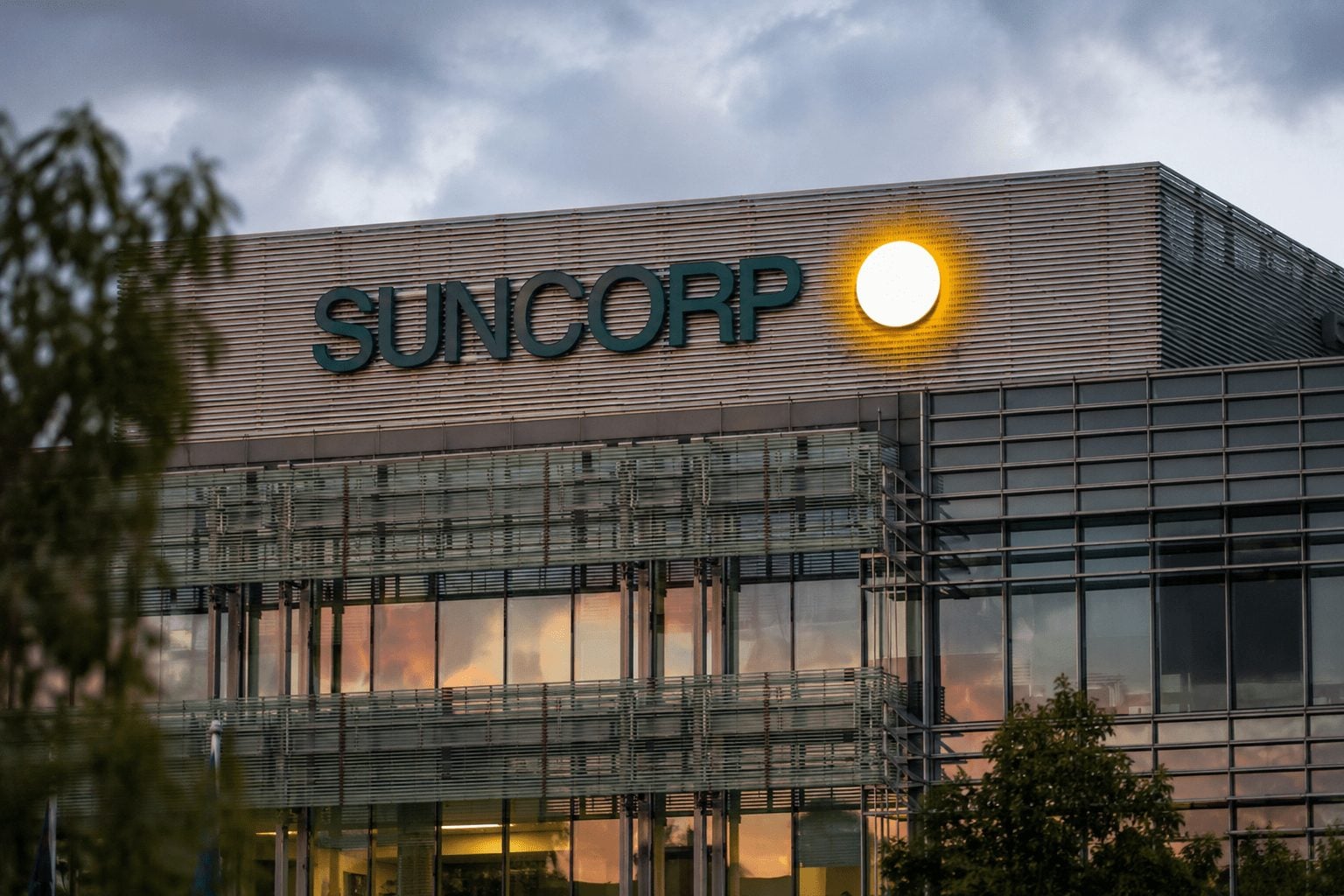

Sydney, May 19, 2026, 06:04 AEST
Suncorp Group Ltd shares were little changed going into Tuesday’s Sydney trade. The insurer said it was moving ahead with another tranche of its on-market buy-back, pushing its capital return near the A$400 million cap.
Suncorp shares slipped 0.11% to finish at A$17.47 on Monday, with the stock moving from A$17.41 to A$17.76 and about 2.49 million shares trading hands. The company’s latest buy-back notice said 497,942 shares were bought on the last trading day. The on-market buy-back has the company buying its own stock through the exchange.
Weak sentiment weighed on the S&P/ASX 200, which dropped 1.45% to 8,505.3 on Monday, a seven-week low. Higher oil and inflation jitters sapped risk demand in the Australian market.
The Australian Securities Exchange was still closed at the time of writing. Normal cash-market trading runs from 09:59:45 to 16:00 Sydney time, following the pre-open.
Suncorp said in its latest filing it repurchased 21.8 million shares before the last trading day, spending A$380.7 million so far and another A$8.7 million in the prior session. The buyback program, which Barrenjoey Markets brokers, is set to run through June 30, according to the filing.
Investors are watching the repurchase closely after a choppy year for general insurers dealing with storms, floods and costlier repairs. Buy-backs can help support earnings per share by cutting down shares on the market, but they do not shield the stock from higher claims or a soft market.
Suncorp is active in the debt market too. The group last week priced A$200 million in wholesale Tier 2 subordinated notes maturing in 2037. Tier 2 debt gives insurers lower-priority funding but still counts toward their regulatory capital.
Weather risk is still in focus. Suncorp announced in April it locked in as much as A$2.4 billion in reinsurance over five years. Acting CEO Jeremy Robson said this setup brought the group “significantly improved resilience and reduced volatility in earnings.” Reuters
Suncorp’s need for cover was evident back in February. First-half cash earnings dropped 67% to A$270 million, with natural hazard costs at A$1.32 billion—A$453 million over its allowance. The company also cut its interim dividend to 17 cents, down from 41 cents. Suncorp has operated as a pure-play general insurer since selling its bank to ANZ in 2024.
Insurance Australia Group traded higher among big ASX insurance stocks on Monday, with Suncorp down, showing Suncorp’s drop wasn’t across the whole insurance sector. Both companies still face premium growth, claims costs, and natural-peril exposure.
But that could change fast. Bad storms before June 30, higher claims, a weaker New Zealand dollar, or a big selloff may outweigh the buy-back. Suncorp’s new reinsurance update leaves the rest of its fiscal 2027 program unfinished until June 30. Robson called the new reinsurance cover an “important component” of that effort. Artemis
Tuesday’s open tests if the almost-finished capital return and more reinsurance can balance a market that began the week lower.