
WASHINGTON, July 9, 2026, 10:02 EDT
President Donald Trump said his team is looking at an Australia-style retirement savings plan for U.S. workers, adding it could go to Congress once new child investment accounts roll out.
The question matters because it goes to a basic debate in U.S. retirement policy—should private savings just top up Social Security, or take on more weight? Trump hasn’t put out a bill yet, and the White House is focused now on new savings accounts, expanded IRA access, and federal matches. There’s no move yet toward a required employer-funded model.
Trump told reporters Monday that Australia has “a thing going” that “worked out very well,” saying his administration is looking at it “very strongly.” Treasury Secretary Scott Bessent, Commerce Secretary Howard Lutnick and others are working on the idea, he said. Trump called the plan something aimed at adults, not kids. Fox Business
Trump told Moneywise, “We’re going to be talking about that with Congress and see if we can implement it,” saying the plan is “more for grown-ups as opposed to children.” Moneywise
Australia’s superannuation setup forces employers to put 12% of eligible pay into employees’ chosen retirement funds. Starting July 1, those payments must go in every payday, instead of on a slower schedule.
Size is one main draw. Australia’s prudential regulator reported superannuation assets reached A$4.4 trillion as of March, with contributions up 11.3% over 12 months. In Mercer CFA Institute Global Pension Index’s 2025 rankings, Australia took a B+ grade while the U.S. scored a C+.
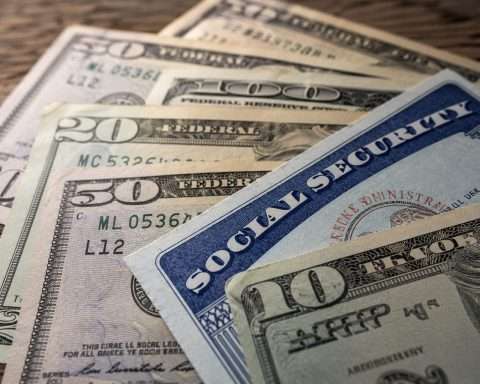
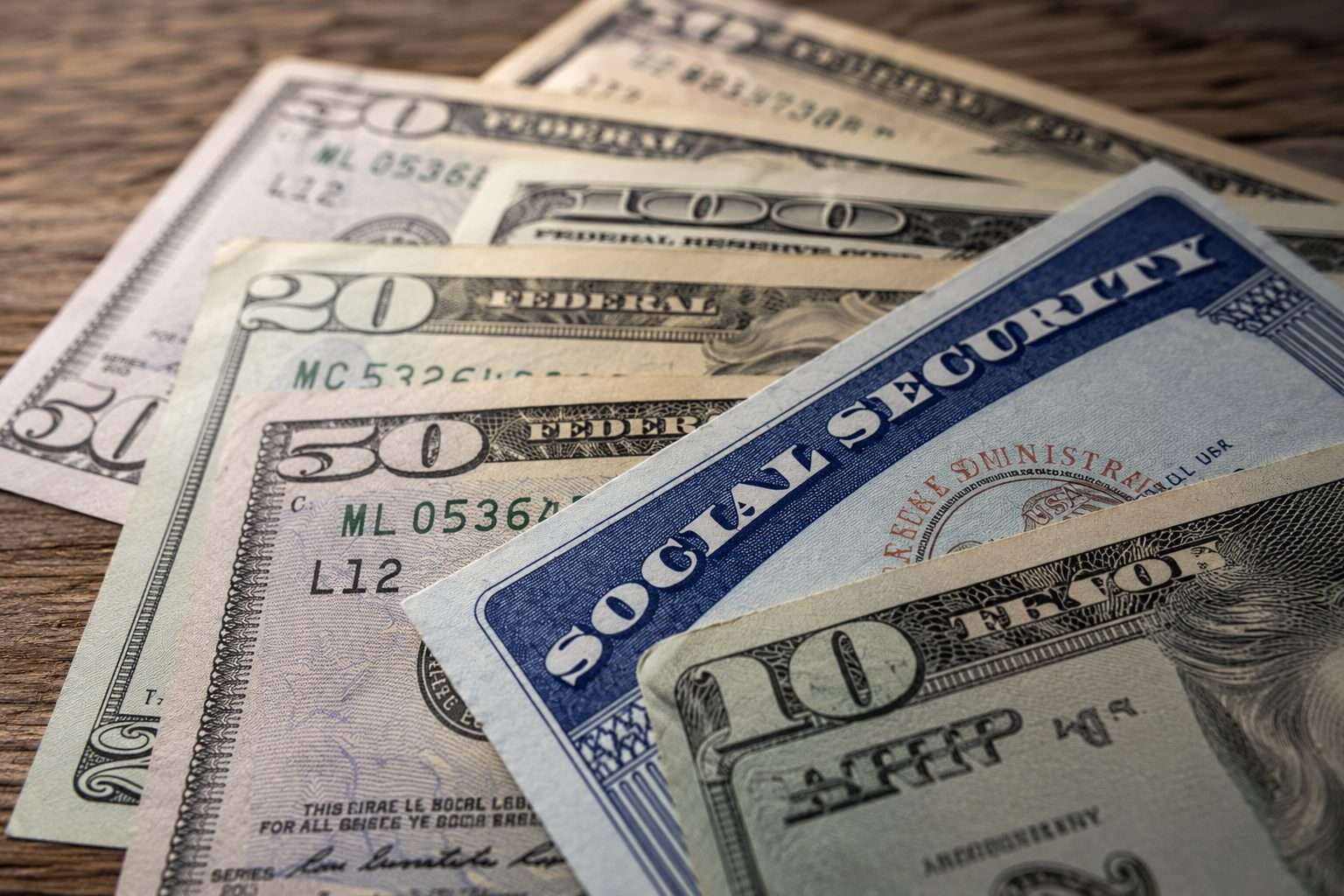
The U.S. has a different setup. Social Security gets most of its money from payroll taxes, with both workers and businesses kicking in 6.2% of wages up to the taxable max for 2026. It’s pay-as-you-go, so current workers are funding current benefits, not building up individual retirement accounts like Australia’s system.
Time is running out for Social Security’s reserves. The trustees’ 2026 report projects that the Old-Age and Survivors Insurance trust fund will exhaust its reserves in the fourth quarter of 2032. After that, the revenue coming in would only cover 78% of scheduled retirement and survivor payments. If combined with disability, the trust fund’s reserves would be depleted a bit later, by the third quarter of 2034, with 83% of benefits still payable.
Trump’s team has taken a different approach. In April, an executive order told Treasury to set up TrumpIRA.gov by Jan. 1, 2027. The government site would link workers without workplace retirement plans to low-cost IRAs. The plan would offer a federal Saver’s Match up to $1,000 for lower- and middle-income savers who qualify.
The Trump Accounts aimed at kids are a separate program. The White House said anyone under 18 can open one. Children born between Jan. 1, 2025 and Dec. 31, 2028 get a one-time $1,000 federal seed deposit. Yearly contributions are limited to $5,000, rising with cost of living after 2027.
Retirement experts are warning. Alicia Munnell at Boston College’s Center for Retirement Research wrote earlier this year that the U.S. falls short mostly because Social Security isn’t fully funded and a lot of people don’t have job-based retirement plans. Munnell’s line: “Australia, for all its success, really can’t help us.” Center for Retirement Research
Mark Iwry, a former top Treasury official on retirement policy now at Brookings, told PLANSPONSOR it’s “not at all clear” the administration wants the most debated Australian feature—a 12% of pay employer mandate. PLANSPONSOR also quoted retirement consultant John Mitchem as saying the Trump plan misses major parts found in Australia, while Dennis Simmons of the Committee on Investment of Employee Benefit Assets called the probable plan “Super Lite.” PLANSPONSOR
The risk is that political pressure could get ahead of the plan’s design. A required employer payment might get attacked as driving up labor costs. Voluntary accounts might miss workers who have no room to save. And if private accounts look like a replacement for Social Security instead of a supplement, Democrats will probably call it privatization, a label that has stopped past plans.