
London, May 2, 2026, 23:02 BST
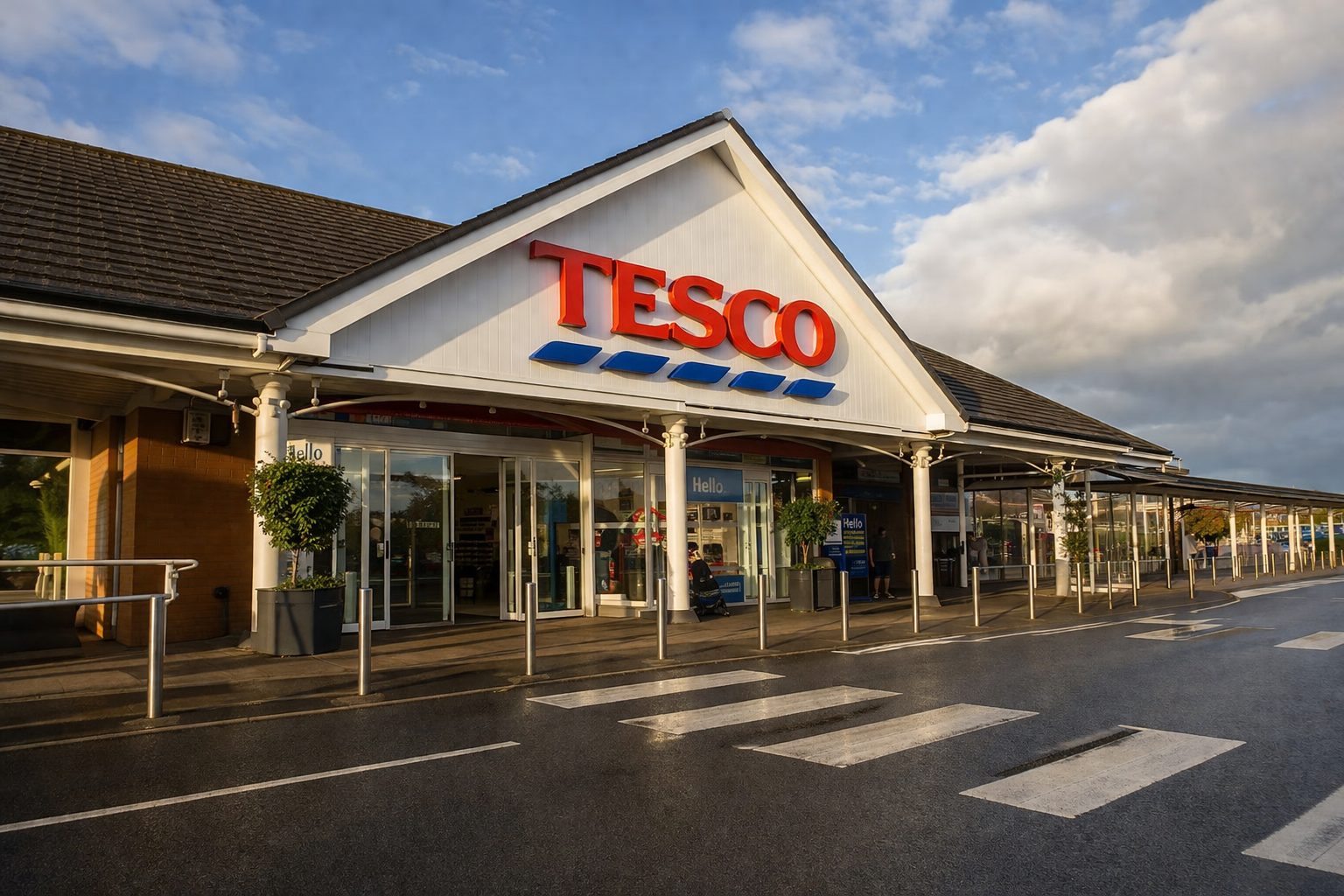
Tesco PLC trimmed its share count once more in a £750 million buyback, snapping up 415,107 ordinary shares for cancellation at an average price of 481.80 pence on April 30, according to a regulatory filing. Since kicking off the program on April 22, Tesco has bought back 2.89 million shares, totaling £14.0 million.
The timing of the filing is notable as Tesco hands cash back to shareholders and the market gauges how well the UK’s biggest grocer can hold onto profit in a more challenging year. Last month, Tesco posted full-year figures with sales, stripped of VAT and fuel, at £66.59 billion. Adjusted operating profit hit £3.15 billion, and free cash flow—after operations and investment—came in at £1.96 billion, all on a 52-week like-for-like basis.
The buyback lands as Tesco lays out a broad profit outlook for the year to February 2027, guiding for adjusted operating profit between £3.0 billion and £3.3 billion. That’s after specific adjustments. Bernstein analyst William Woods, quoted by Reuters, described the forecast as “careful and conservative,” especially given the ongoing Middle East war. Reuters
In a Friday filing, Tesco reported its share capital at 6,382,293,795 ordinary shares as of April 30—each carrying a single vote—and confirmed it holds no treasury shares. Investors use this figure as the denominator to assess if a change in their holding requires disclosure under UK transparency rules.
Friday’s close saw the stock at 480.75 pence, off 0.27%, as the London market headed into its weekend break. Tesco’s official data pegs the 52-week span between 357.60p and 508.00p, leaving the shares under their February peak, though they remain comfortably ahead of the past year’s bottom.
Back in April, Chief Executive Ken Murphy told analysts that Tesco’s UK market share had climbed to a ten-year high—28.5%—thanks to more spending on price, quality, and service. He pointed out that with global uncertainty and squeezed household incomes, value “matters more than ever.”
Price wars remain front and center on the shop floor. Worldpanel by Numerator reported that British grocery inflation slipped to 3.8% in the four weeks ending April 19, down from 4.3%. Over a 12-week stretch, Tesco and Sainsbury’s picked up market share, while Lidl GB outpaced rivals as the fastest-growing bricks-and-mortar grocer. Asda continued to cede ground.
Tesco rolled out its Aldi Price Match program to over 2,000 Express locations this week, taking the price competition to more convenience-oriented shoppers. The scheme had previously matched Aldi prices on certain goods, but until now, it was available mostly in larger stores. “Household budgets were ‘again under pressure,’” Tesco UK Chief Executive Ashwin Prasad said, emphasizing the retailer’s push for consistent value whether customers shop in big stores, online, or at their local Express. Retail Gazette
The risks here are significant. Buybacks might prop up per-share figures, yet they won’t make up for a steep drop in shopping activity, higher fuel outlays, or costlier suppliers if the war puts even more pressure on consumers. Back in April, Sainsbury’s echoed that caution—warning of deep uncertainty for customers and the business. Its shares slid 5% that day.
Tesco’s most recent filing sticks to the technicals—no fireworks here. The capital return has started, as expected. The bigger issue: can Tesco keep up on price and still protect margins, especially with value still at the center of the fight?