
LONDON, April 25, 2026, 21:11 BST
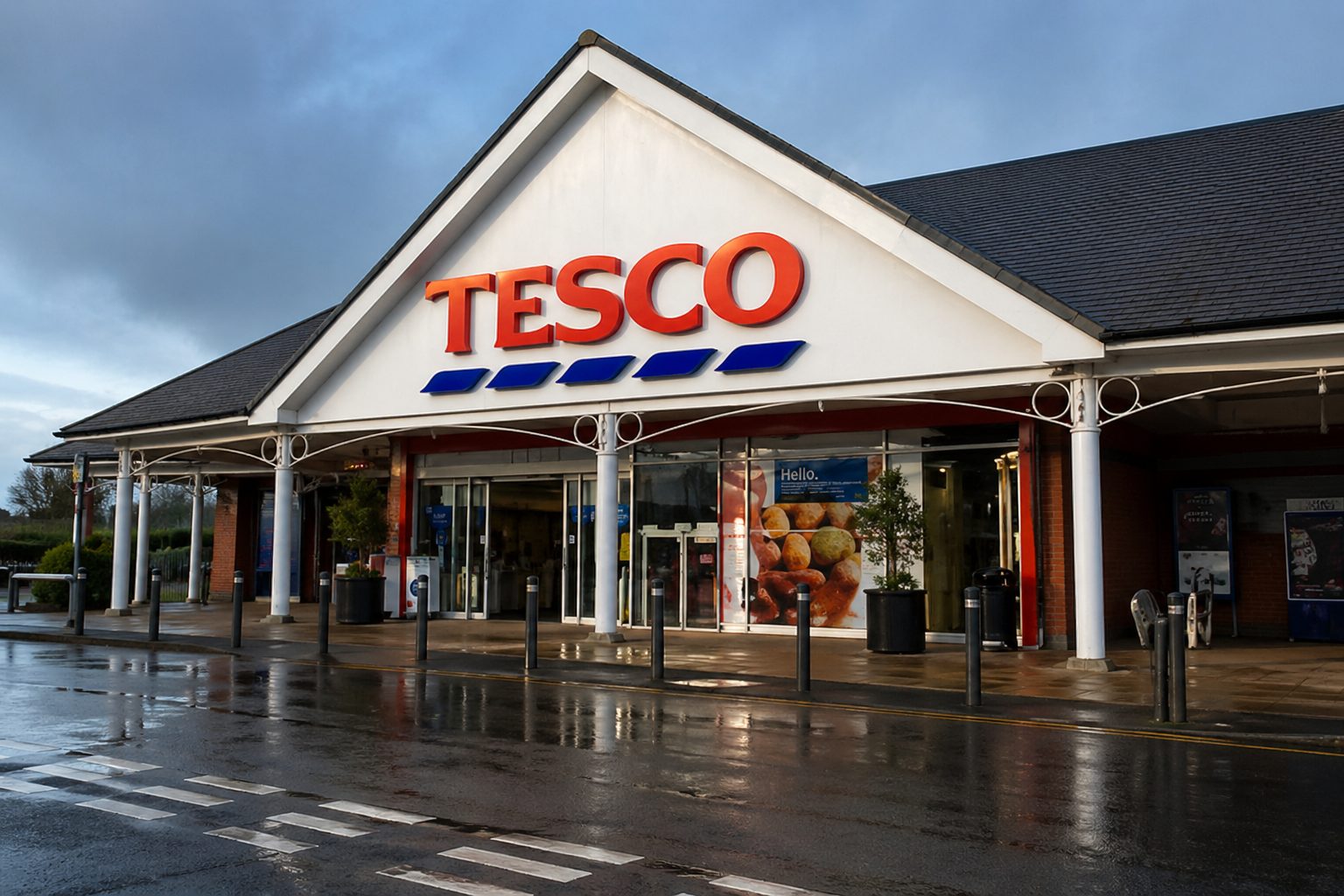
Tesco PLC wasted no time launching its £750 million buyback. In a Friday filing, the company disclosed snapping up 415,797 ordinary shares on April 23, paying an average 481.00 pence apiece, with plans to cancel them. That brings the tally since the program’s start to 822,350 shares—roughly £4.0 million in value.
The timing of the buyback is notable, hitting the market as investors face a broader profit forecast this financial year and grapple with a UK consumer squeeze tied to the Iran war. Back on April 22, Tesco announced its programme could total £750 million by April 2027, starting with a £250 million tranche managed by Citigroup. A buyback like this means the company is purchasing and cancelling its own shares, shrinking the overall share count.
Tesco wrapped up Friday at 490.80p, gaining 0.9%. Shares moved in a 485.15p to 495.85p range. Just 13.5 million shares changed hands—well under the 21.1 million seen during Thursday’s softer showing.
Tesco’s results base has firmed up compared to last year. For 2025/26, the retailer posted sales excluding VAT and fuel at £66.588 billion, with adjusted operating profit landing at £3.152 billion. Free cash flow came in at £1.957 billion. That adjusted operating profit figure removes what the company calls non-standard trading items. Tesco put forward a 14.5p dividend and said it grew UK market share to 28.5%, up 0.24 percentage point.
The outlook’s gotten trickier to pin down. Tesco expects adjusted operating profit this year somewhere between £3.0 billion and £3.3 billion, coming off last year’s £3.152 billion. The retailer warned that “much will depend” on how long the conflict drags on and how it hits consumers. Bernstein’s William Woods called the forecast “careful and conservative.” CEO Ken Murphy, speaking to reporters, added that Tesco was “not flagging any issues” with its supply chain. Reuters
Tesco isn’t the only one sounding the alarm. Sainsbury’s flagged “very uncertain” fallout from the war on both shoppers and its own bottom line when it reported on April 23, outlining a 2026/27 profit range that missed consensus. Shares slid 5%. With roughly a quarter of sales coming from non-food, Sainsbury’s sits at greater risk than Tesco if consumers cut back on discretionary buys. Reuters
Morningstar equity analyst Verushka Shetty thinks Tesco is likely to hold or even grow its grocery market share in 2026/27, expecting the retailer to keep prices just under inflation. Tesco’s network of convenience stores and appeal to value-focused customers should help on that front. As for the stock, Morningstar puts Tesco close to its £4.95 fair value estimate, noting the shares “aren’t exactly a bargain” after their recent rally. Morningstar
The risk is straightforward. Prolonged pressure from rising fuel and food prices could force Tesco to ramp up price spending, all while managing wage bills and higher expenses across stores and logistics. A buyback trims the share count, sure, but it won’t shield grocery margins if volume or mix slip the wrong direction.
Tesco’s juggling act right now: signal it has the cash for buybacks, but also the heft to hold down prices as jitters linger in the market. Investors are eyeing those next repurchase announcements—and watching closely to see if early-year numbers really justify the optimism around them.