
London, May 20, 2026, 09:17 BST
- Tesco shares were down 1.2% at 454p just after 9 a.m. BST, with the FTSE 100 losing about 0.4%.
- UK ministers have pushed supermarkets on voluntary price caps for essentials and are giving themselves more anti-profiteering powers.
- Morgan Stanley began coverage on Tesco, giving it an “overweight” rating. That’s a broker call signalling the bank thinks the stock will outperform its sector or a benchmark, according to Investing.com UK.
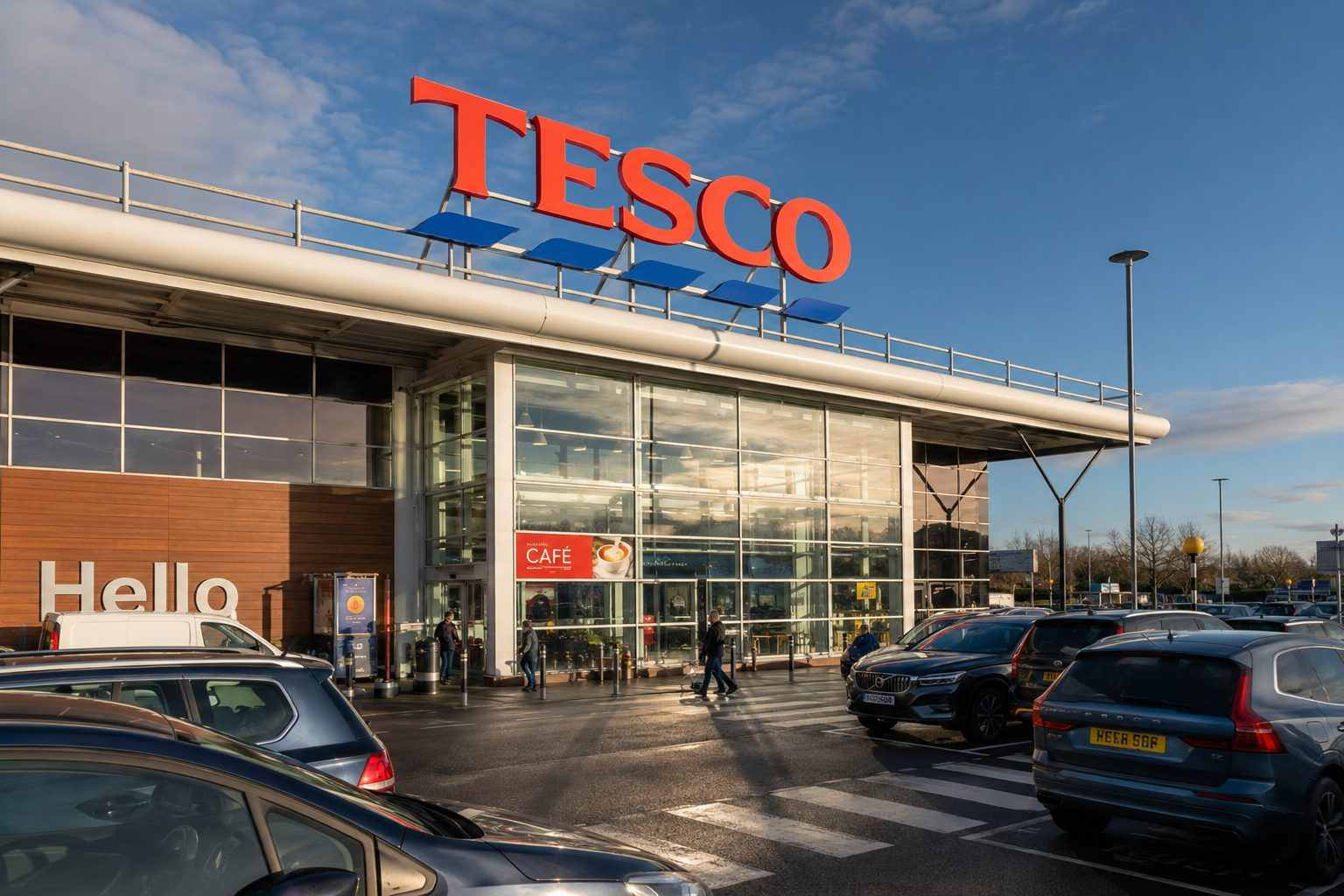
Tesco shares dropped in London on Wednesday morning. The move followed a new government effort to lower food prices, while a Morgan Stanley upgrade that boosted the stock earlier this week was still in play.
The stock lost 1.24% to 454p as of 0901 BST, according to Sharecast data. Hargreaves Lansdown quoted it at 453.90p to buy, 454.10p to sell. The FTSE 100 dropped 0.45%.
Tesco’s timing is back in focus. The UK’s top supermarket is once again at the heart of the inflation debate. Government officials are pushing for lower prices for shoppers, while grocers cite higher costs from pay, tax and regulations. Investors are sizing up how much of that Tesco can take on before it hits profit margins.
Britain’s finance ministry is asking top supermarket chains to look at voluntary price caps for items like eggs, bread and milk, Reuters said Tuesday, citing two sources. The British Retail Consortium, with members like Tesco and Sainsbury’s, pushed back. CEO Helen Dickinson said it could mean stores end up “sell[ing] goods at a loss.” Reuters
U.K. pressure mounted Wednesday as Chancellor Rachel Reeves said the government will hand more power to the Competition and Markets Authority to probe steep price jumps when crises hit. The CMA is the country’s competition regulator. The coming “anti-profiteering” plan would let the CMA move more quickly to check margins during supply disruptions, zeroing in on the difference between what companies charge and what it costs them. Reuters
Title: UK inflation slows in April, but fuel costs and war risks keep pressure on UK consumer price inflation dipped to 2.8% in April from 3.3% in March, Reuters said. The drop didn’t last long for consumers, though, as motor fuel prices jumped 23% year-on-year. Policymakers are still bracing for more price pressure tied to the Iran war. Anna Leach, chief economist at the Institute of Directors, said the improvement looks “short-lived.” Reuters
Tesco has had the numbers to back up its case. In April, the company posted 52-week sales excluding VAT and fuel at 66.59 billion pounds, a 4.3% rise at constant exchange rates. Adjusted operating profit, which strips out some one-off or non-core items, landed at 3.15 billion pounds.
Chief Executive Ken Murphy said Tesco is working to “help keep down the cost of the weekly shop,” with Middle East uncertainty making that a bigger focus. Tesco also said it would start another 750 million pound share buyback, planning to buy its own shares to return cash to investors and lift earnings per share. Investegate
Morgan Stanley started coverage on Tesco with an “overweight” rating and set a 560p price target, analyst Izabel Dobreva wrote at Investing.com. Dobreva said Tesco’s “operating momentum remains strong.” The bank pointed to share gains, premium product lines, online business and retail media as helping earnings. Investing.com UK
The sector stays competitive. Worldpanel by Numerator data had Tesco and Sainsbury’s picking up share in the 12 weeks to April 19, with Lidl again the fastest-growing bricks-and-mortar retailer. Asda lost more share in the same period. Price investment remains strong across grocers, before any hit from politics.
Tesco risks having a cap on staples or a public row over margins cut into its ability to pass on rising fuel, wage or supplier costs. With more shoppers moving to promotions and ministers putting more pressure on prices, gains from market share may be slower to boost profit.
Tesco kept its forecast wide, saying it sees adjusted operating profit for 2026/27 coming in between 3.0 billion and 3.3 billion pounds. The company said the length of the Middle East conflict and what that means for UK households and the wider economy will have a big effect.