
LONDON, March 5, 2026, 12:00 GMT
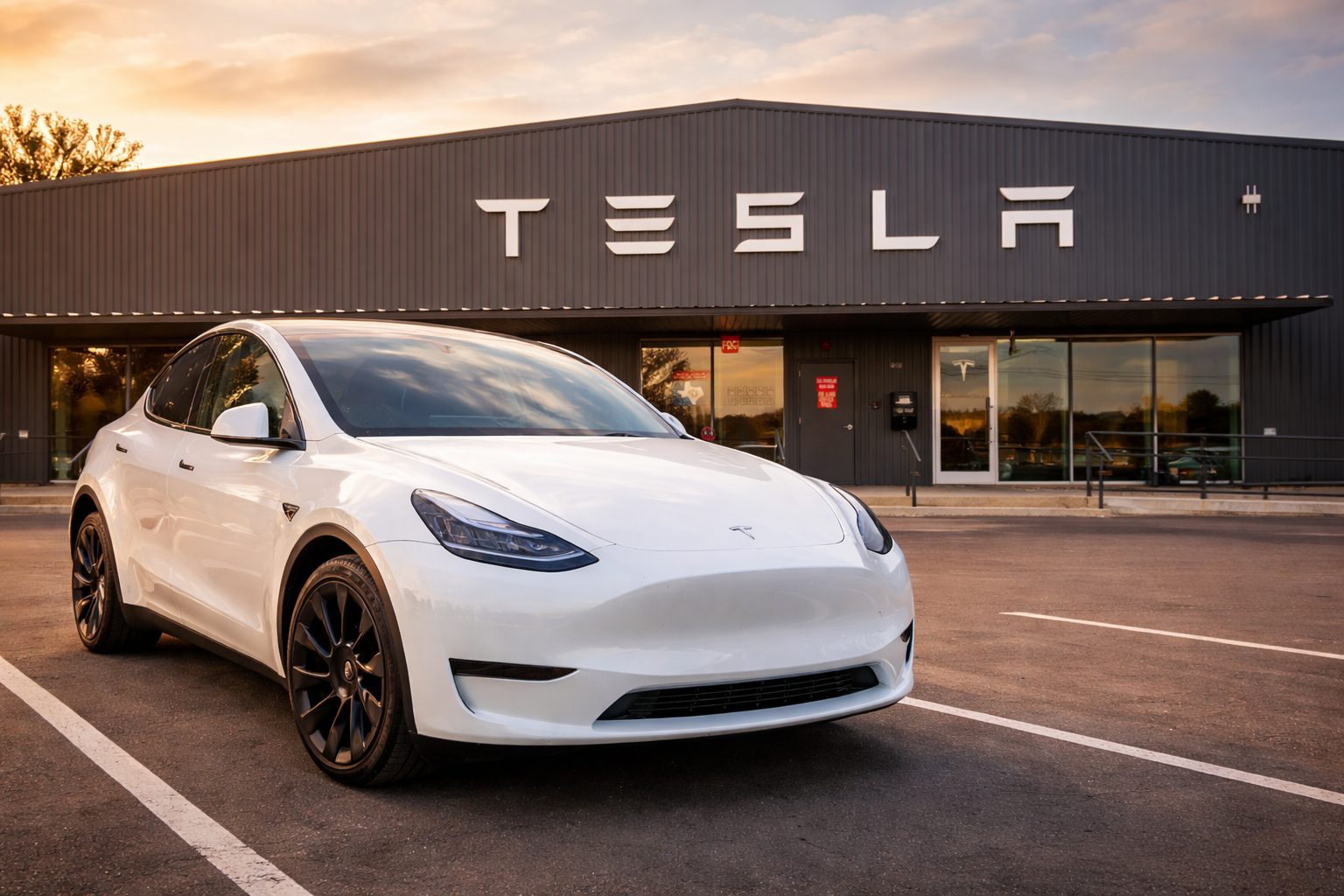
- Industry data showed Tesla registered 2,422 vehicles in Britain in February, down 37%.
- BYD registrations soared 83% to 2,154, putting the automaker within striking distance of Tesla’s monthly count.
- UK car sales climbed, but EV market share dipped once more, turning up the heat on manufacturers and officials.
Tesla saw UK registrations drop 37% in February compared to last year, according to industry figures released Thursday, while Chinese EV brands—BYD at the forefront—continued to carve out a bigger foothold in Britain’s expanding plug-in segment.
The slowdown stands out, given that the UK market is on the rise again. February usually tees up March, when fresh number plates often give demand a jolt. According to the Society of Motor Manufacturers and Traders (SMMT), registrations were up 7.2% to 90,100. Battery-electric vehicles, which are fully electric, accounted for 24.2% of the market—a second consecutive monthly dip. “The UK’s new car market is continuing to recover and EV volumes are growing too, even if market share remains disappointing,” said SMMT chief executive Mike Hawes. SMMT
Fresh data out Wednesday showed Tesla slumping. According to research group New Automotive, the company moved just 2,208 cars in February—a 45.2% drop. BYD, though, picked up speed, with sales up 40.9% to 968 units. The group also flagged that Tesla’s year-to-date number slipped 5%. “It is fantastic to see one in four motorists opting for an electric car in February,” said Ben Nelmes, chief executive at New Automotive. Reuters
Tesla took issue with focusing on monthly data. “Tesla monthly registration figures are not an accurate reflection of sales or orders taken,” the company told UK outlets by email, insisting the quarterly numbers provide a clearer picture, given the batch shipping and delivery process. Reuters
The distance between Tesla and BYD keeps shrinking. Tesla’s Model 3, though, still stood out in the UK, pulling in 1,584 registrations for February—landing it fourth on the monthly model leaderboard.
Tesla’s shares climbed more than 3% to roughly $405 on Wednesday, with investors weighing the company’s long-term self-driving goals even as European demand appears less certain. Bank of America brought back coverage with a “buy” and put the price target at $460, according to Investopedia. Investopedia
Tesla’s regulatory-credit operation in Europe is shifting. According to an EU filing, the Tesla-led carbon-credit “pool” — which lets automakers combine fleets and swap emissions credits to hit EU targets — will return in 2026, but this time, Stellantis, Toyota and Subaru are out. All three had been in Tesla’s group the previous year. Reuters
Tesla’s Berlin-area factory, its sole plant in Europe, remains mired in labor strife. IG Metall, Germany’s powerful union, picked up 13 out of 37 seats in the latest works council vote — but once again, the employee committee stays non-union. “We will continue to do our utmost in the new works council to bring about change for us and our colleagues at the Gigafactory,” said IG Metall’s lead candidate Laura Arndt. Reuters
The UK figures, though, aren’t straightforward. February’s abbreviated calendar, Tesla’s tendency to concentrate deliveries at quarter-end, and conflicting datasets—each relying on distinct sources and methodologies—all complicate the picture.
March shapes up as a key check on Tesla: was the recent drop just a matter of timing, demand, or is there a deeper issue? For Chinese brands, the question is whether rapid growth can translate into real, lasting sales momentum in the UK’s core market.