London, March 3, 2026, 09:01 GMT — Regular session
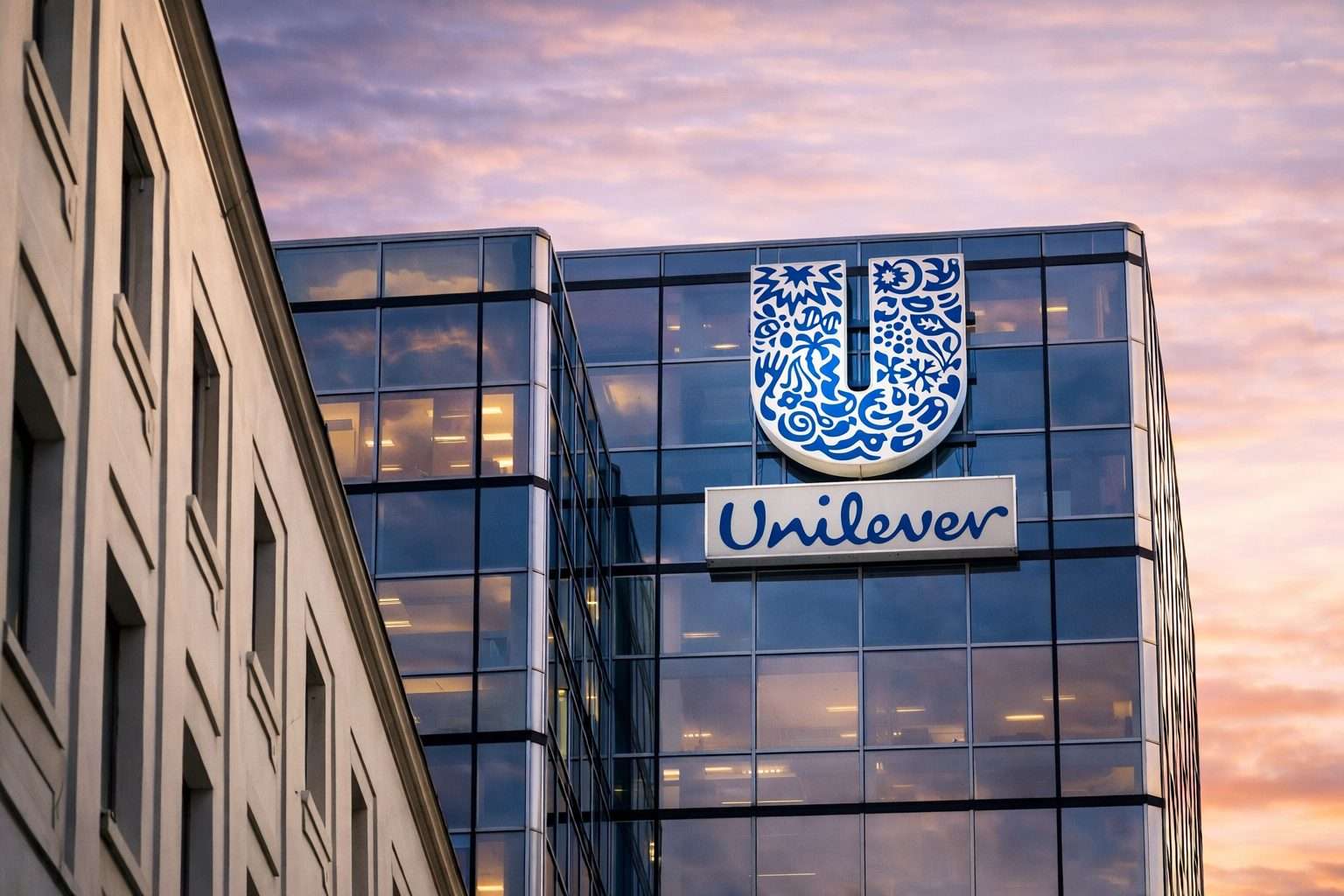
- Unilever shares fell about 2% in early London trade, giving back part of last week’s gains.
- A fresh jump in oil prices put inflation back in the frame as European stocks slid.
- Investors now look to Unilever’s April 30 trading statement for a read on volumes and pricing.
Unilever shares fell 2.0% to 5,218 pence (£52.18) by 0847 GMT, after touching a low of 5,208p. The stock opened at 5,299p and had traded about 241,000 shares. 1
The drop came as European shares extended a selloff tied to the widening Middle East conflict and higher energy prices. The STOXX 600 was down 1.3% by 0804 GMT, with utilities and banks leading declines. 2
Oil and gas costs have moved fast enough to shift the conversation back to inflation, not growth. Brent crude is up nearly 10% since Friday and European natural gas prices have jumped about 50%, a Reuters analysis said, reviving memories of the 2022 energy crunch even if winter demand is fading. 3
Unilever closed Monday down 2.58% at £53.26, underperforming a 1.20% drop in the FTSE 100, according to MarketWatch data. 4
In Britain, a separate inflation signal also ticked higher. UK grocery inflation edged up to 4.3% in the four weeks to Feb. 22, Worldpanel by Numerator data showed, with skin care among the categories rising fastest — an awkward line item for household staples groups that live on repeat purchases. 5
Unilever itself offered no new trading update on Tuesday, but a routine filing laid out its latest share capital and voting-rights count for UK disclosure rules. A company notice dated March 2 put voting rights at 2,184,948,966 shares as of Feb. 27. 6
The bigger debate for ULVR remains pricing power and volume — how much consumers will swallow as costs rise. In February, Unilever said it expected 2026 sales growth at the lower end of its 4% to 6% target range, pointing to softer markets in the U.S. and Europe, while announcing a 1.5 billion euro share buyback (a plan to repurchase its own shares). 7
Traders have tended to treat oil as the tripwire, not the headlines. “I just don’t think the average market participant is that moved by the conflict until the price of oil gets to $100 a barrel,” said Alex Morris, CEO of F/m Investments, after a choppy Wall Street session on Monday. 8
That line is getting tested. Brent was last up another 2.3% to $79.50 on Tuesday, and LSEG data showed tanker shipping costs from the Middle East to China hit record levels; “Any rise in political uncertainty isn’t good for economies,” JPMorgan economist Jahangir Aziz said. 9
But it can still cut both ways for Unilever investors. If energy and transport costs stay elevated, the company faces a tougher margin and demand mix — and passing costs through can slow volumes, especially if the UK and Europe see another squeeze on grocery budgets.
The next clean catalyst is Unilever’s Q1 2026 trading statement on April 30 — a sales update investors will use to judge whether pricing holds up and whether volumes are coming back after the winter slowdown. The company has said it will publish a pre-close aide-memoire ahead of that update. 10