Miami, Jan 22, 2026, 12:00 EST
- Waymo opened paid, driverless taxi rides in a limited area of Miami on Thursday, starting with a rolling invite list.
- The launch covers about 60 square miles but excludes Miami Beach and highways for now.
- Waymo plans to add Miami International Airport and freeway access later this year.
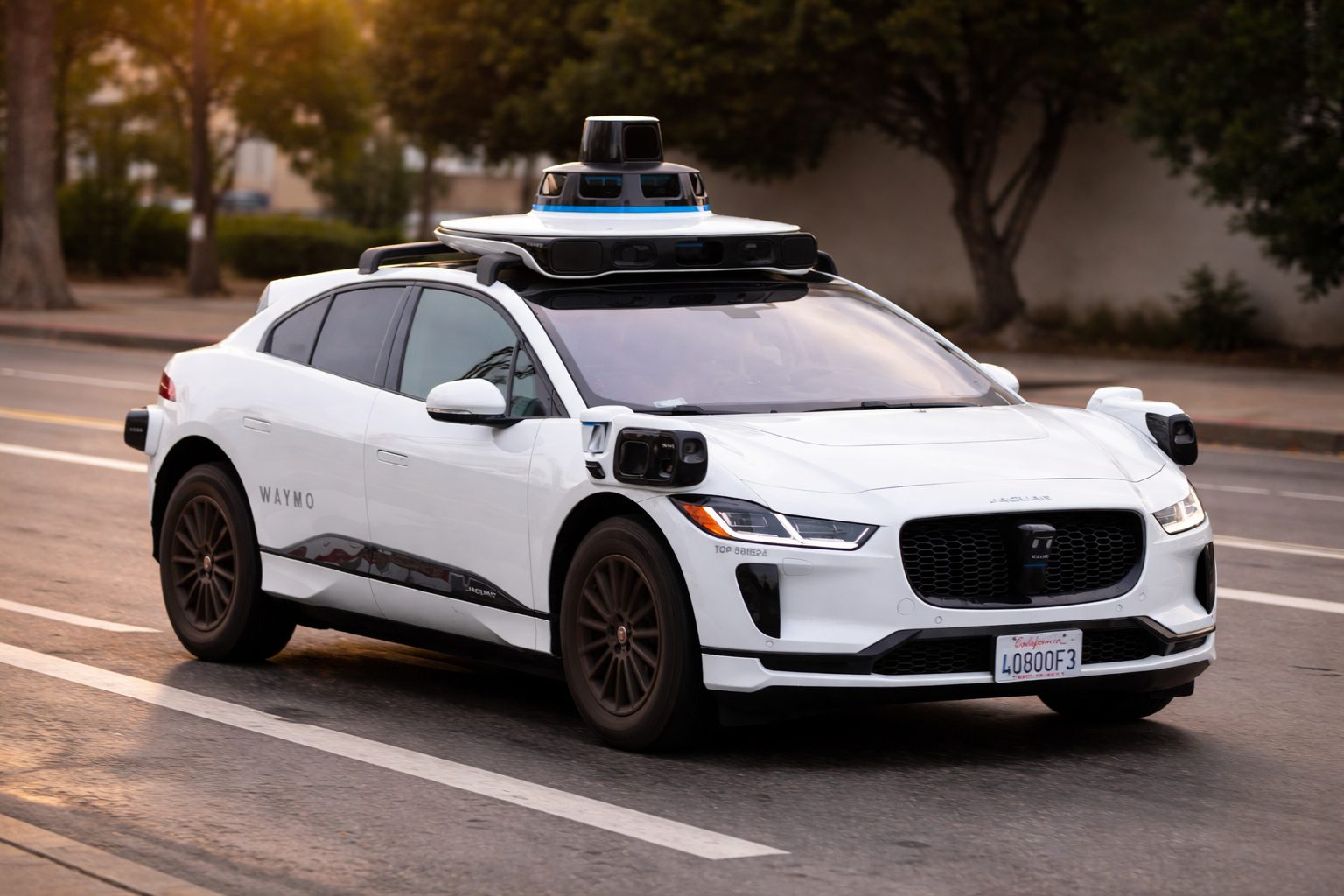
Alphabet’s Waymo opened its driverless taxi service to public riders in Miami on Thursday, starting paid trips without a human driver behind the wheel in a limited part of the city. The initial coverage area spans about 60 square miles, including neighborhoods such as the Design District, Wynwood, Brickell and Coral Gables. 1
The launch turns months of testing into paying rides in a city Waymo has been circling for years, and it gives the company a new showcase market at the start of 2026. Waymo already runs fully driverless ride-hailing in San Francisco, Los Angeles, Austin, Atlanta and Phoenix, and said it ended 2025 with about 450,000 paid driverless trips a week. 2
Miami also puts Waymo out in front of rivals that have publicly targeted the city, including Amazon’s Zoox and Tesla’s planned Robotaxi. Co-CEO Tekedra Mawakana said the service aims to be a “safe, reliable, and magical way to move around.” Rides in Miami can only be ordered through Waymo’s app, and the company is outsourcing charging and maintenance to Moove, a Nigerian mobility firm. 3
Waymo said it will open access on a rolling basis for nearly 10,000 residents who have signed up, and the launch zone covers about 60 square miles from the Design District and Wynwood down to South Miami. The company said fares will be competitive with other ride-hailing services and set mainly by time and distance, rising in busy periods, but it would not say how many vehicles are running in Miami; it said it has more than 2,500 cars across its five other markets. Miami Beach and the Venetian Causeway are excluded for now after a viral video earlier this month appeared to show a stopped Waymo vehicle backing up traffic there. 4
The cars run inside a geofence — a digital border that keeps the service within a mapped area — and Waymo is keeping them off highways at first. The company has said it plans to add freeway routes later this year and expand to Miami International Airport.
Riders who get access can request a pickup through the Waymo One app and start the trip without a driver in the front seat. Waymo has said it will widen access to the general public later this year as it grows the fleet.
Miami-Dade County Commission Chairman Anthony Rodriguez welcomed the launch, saying officials will push for Waymo to “meet our high standards for safety, transparency, and accountability.” Waymo said its cars have logged more than 127 million fully autonomous miles and cut serious-injury crashes by a factor of 10 versus human drivers in the areas where it operates. It said the system is built to handle Miami’s bright sun and sudden tropical downpours. 5
The company is leaning on local tie-ins as it scales, including partnerships pitched around roadway safety and accessibility. That’s a familiar playbook for a technology that tends to meet new cities first as a curiosity and then as a point of friction.
But driverless fleets still trip over edge cases — odd road layouts, blackouts, blocked lanes — and the videos travel fast. TechCrunch noted that U.S. auto safety regulators at the National Highway Traffic Safety Administration opened a probe in October 2025 after a Waymo vehicle drove around a stopped school bus in Atlanta; Waymo later issued a voluntary software recall. In an October interview cited by TechCrunch, Mawakana said “by the end of 2026, you should expect us to be offering 1 million trips per week.” 6
In Miami, the next steps are less dramatic: more cars, more riders, more roads. Waymo says the map will expand over time, with the airport and faster roads on the list.
For now the service leaves out Miami Beach and highways, a reminder that the rollout is meant to be controlled, not citywide. How quickly Waymo can widen access without fresh glitches will shape whether robotaxis in Miami become routine or stay a novelty.