
London, May 1, 2026, 13:03 (BST)
Mia Ballard’s horror novel Shy Girl, recently pulled from shelves, has sparked a surge in online listings—some sellers are asking over £100 per copy. Suddenly, the book’s withdrawal has morphed into a scramble for scarce inventory, just as WH Smith’s travel-retail operation faced its own challenges this week. According to The Bookseller, listings have popped up on platforms like eBay, Vinted, and Facebook Marketplace, with prices well above retail.
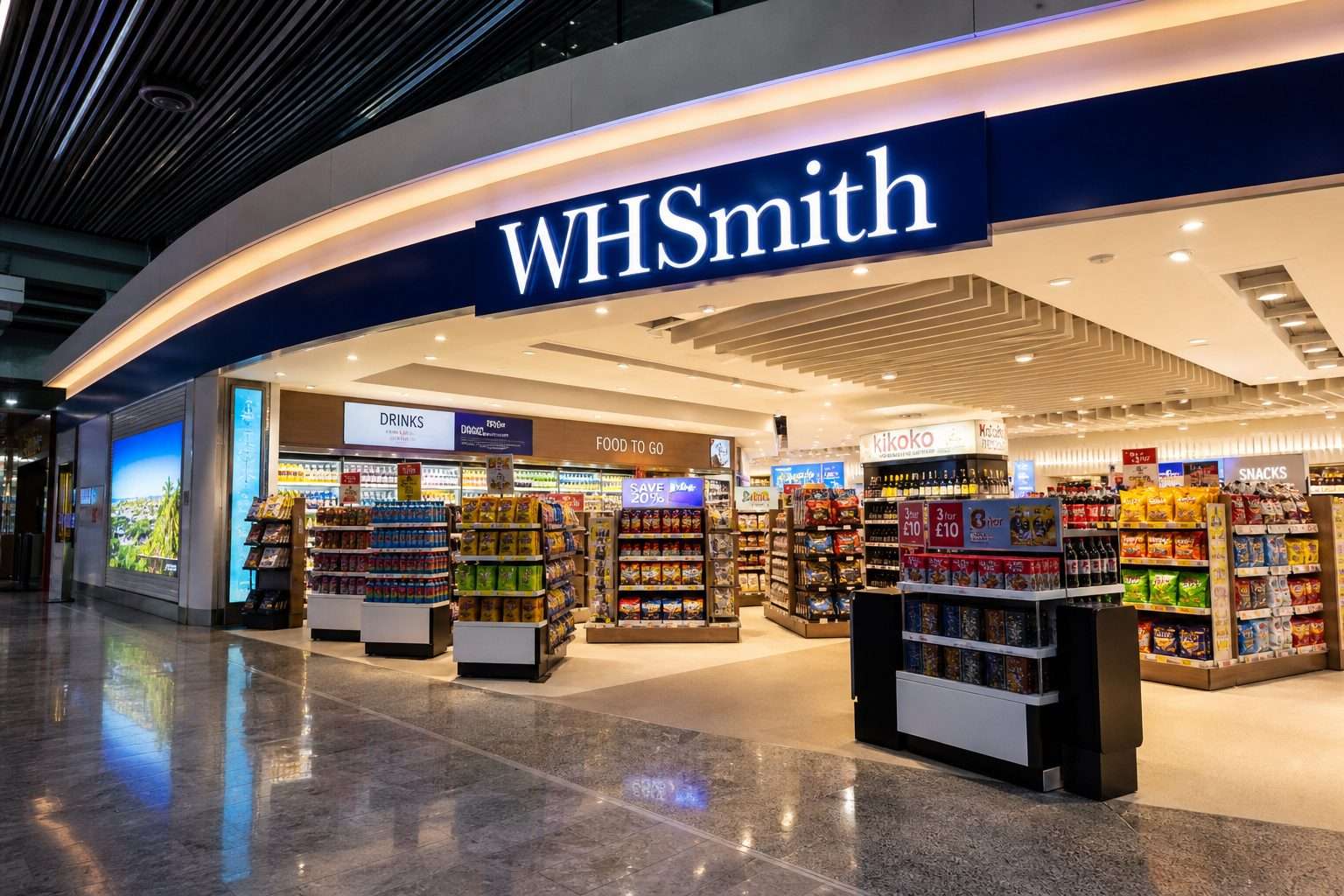
That jump in resales signals buyers are heading beyond traditional bookshops since Hachette stopped shipping the book. Now, just as that shift unfolds, UK book and travel retailers are grappling with something bigger. WH Smith has lowered its profit outlook and pulled its dividend, flagging that travel woes tied to the Middle East may squeeze both passenger flows and shopper sentiment.
Hachette scrapped the U.S. launch of Shy Girl and pulled the UK edition following accusations that sections of the novel may have been created with artificial intelligence—software that generates text based on prompts. Ballard insists she didn’t use AI herself, attributing the use of such tools to an acquaintance she paid to help with an earlier draft.
WH Smith posted a 5% increase in group revenue for the first half, reaching £748 million. Still, headline trading profit slipped to £32 million, down from £47 million. Looking at headline profit before tax and non-underlying items—a figure the company uses that leaves out certain exceptional charges—it came in at £3 million, well off last year’s £21 million.
The company’s latest forecast for full-year headline profit before tax and non-underlying items now sits between £90 million and £105 million, trimmed from its previous target of £100 million to £115 million. Management also announced a dividend suspension, citing a need to cut debt and shore up the balance sheet.
WH Smith’s executive chair Leo Quinn said the top priority now is “to restore confidence” and lay the groundwork for profitable growth. He also emphasized management’s “relentless focus on driving cash, cost discipline and strengthening the balance sheet.”
WH Smith’s reliance on airports and train stations has intensified since it offloaded its UK high street arm last year. Chief Financial Officer Max Izzard, according to Reuters, told analysts that average basket size—how much each passenger spends—has slipped. The culprit: a drop in long-haul flights taking a toll on certain product sales.
According to TRBusiness, like-for-like revenue growth pulled back to 2% over the first seven weeks of the second half. No change in the UK; North America managed a 2% uptick, and the rest of the world posted a 5% climb.
Travel-footfall names like SSP Group and Avolta provide the more relevant comparison here—not your average high-street bookseller. WH Smith is fighting for the same airport spend across categories: food, beauty, electronics, papers, books. Sure, when a title like Shy Girl gets pulled, it makes noise. Still, it’s passenger flows and how much they spend per trip that’ll set the tone for the year.
Of course, there are a few things to keep in mind. That £100 listing is just what sellers are hoping for—it doesn’t guarantee anyone’s buying. A quicker rebound in flight schedules could ease the pressure flagged by WH Smith. But there’s also the flip side: travel chaos stretching into the busy summer would leave the company little margin for slip-ups, especially after a soft first half and heavier debt load.
Peel Hunt analysts, quoted by Interactive Investor, described WH Smith as “a fine business” offering long-term value, but said calling the short-term outlook was tough given the unpredictable Middle East situation. Ii