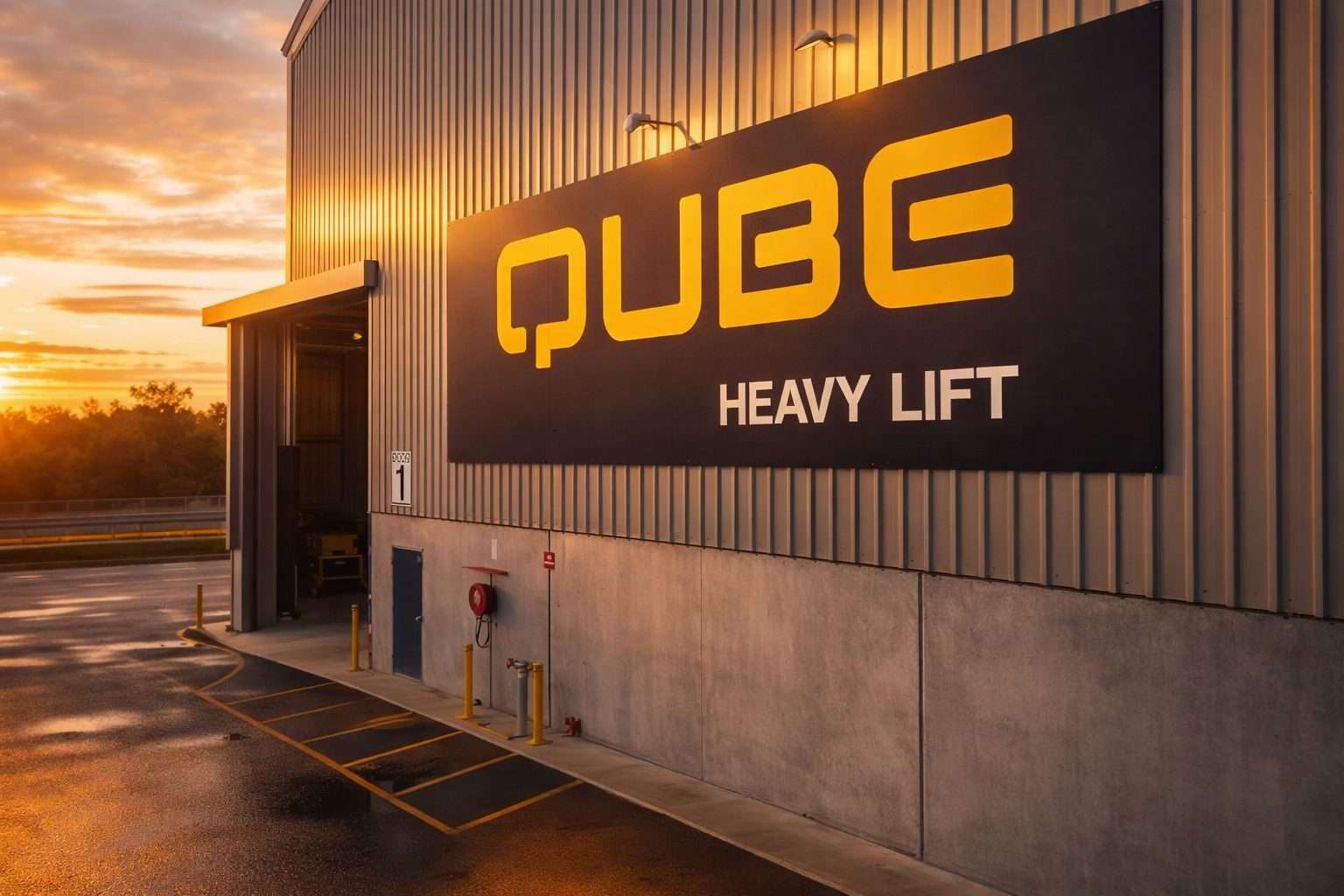

SYDNEY, March 30, 2026, 06:07 AEDT
Qube Holdings finished Friday around 5% shy of the dividend-adjusted price in Macquarie Asset Management’s A$11.7 billion bid, with investors still eyeing clearance of remaining deal conditions. Qube last changed hands at A$4.89, compared to the adjusted cash offer of roughly A$5.1465, which factors in the A$5.20 per-share proposal less Qube’s 5.35 Australian-cent interim payout.
The gap is significant: Qube’s board has already thrown its support behind the scheme of arrangement, the court-backed takeover model that’s standard fare in Australia. Shareholders are looking at a meeting likely set for June. Still on the to-do list—clearance from an independent expert confirming the deal serves shareholders’ best interests, plus green lights from the courts and regulators.
There’s more going on here than just freight. Reuters Breakingviews pointed out last week that Australia’s superannuation funds—major players on ASX share registers—have serious clout. They highlighted UniSuper joining the Qube consortium, calling it fresh evidence that retirement funds now wield real influence inside Australian M&A.
Macquarie isn’t sugarcoating it. Ani Satchcroft, MAM’s co-head of infrastructure for Asia-Pacific, described Qube as “a really great reflection of the Australian economy,” citing its role in handling imports like containers and vehicles, along with exports spanning resources and agriculture. According to Reuters company data, Qube operates two main businesses and owns a 50% stake in Patrick Terminals. Reuters
That setup knocks down a key obstacle. UniSuper plans to contribute its 15.07% stake to the consortium and back the vote, so long as no better offer comes along and the independent expert remains onside. Grant Samuel & Associates is handling that role.
Qube’s numbers pretty much speak for themselves. The company posted record half-year results on Feb. 20, putting underlying revenue at A$2.36 billion, up 12.9%, and EBITDA climbing 9.8% to A$196.3 million. Recent additions—AAT Webb Dock West, Coleman, Albany Bulk Handling, Nexus Logistics—were cited as key drivers. Managing Director Paul Digney pointed to the figures as clear evidence of “both the strength of the business” and the pay-off from diversifying across markets and geographies. Qube Holdings
The company is sticking with its forecast for full-year underlying earnings growth, targeting 6% to 10% over FY25. Management pointed to Logistics & Infrastructure as the key engine here, while Ports & Bulk is set to stay about flat—some contracts are finishing before new ones kick in. Patrick, though, is on track for a much bigger contribution compared to last year.
Even so, nothing’s sealed yet. The deal still needs a green light from the Foreign Investment Review Board, the Australian Competition and Consumer Commission, and PNG’s own competition watchdog—not to mention several other boxes to check. There’s no financing condition in the deed. Instead, the agreement sets out break fees, “no shop” and “no talk” clauses, plus a ticking fee of 2 cents per month if closing drags beyond Dec. 15, 2026. Qube Holdings
Back in February, UniSuper CIO John Pearce told Reuters to expect “more public-to-private transactions.” For Qube, the immediate hurdle is the scheme booklet, which comes ahead of the June vote. Investors, judging by the discount on the shares, aren’t budging until that’s out—timing questions still linger. Reuters