
Perth, May 14, 2026, 04:05 AWST
- North West Shelf’s valuation has climbed to A$48.7 billion, a jump from the A$27.3 billion figure given in 2019.
- The federal environmental recommendation might show up as early as next month.
- Woodside argues the project brings more gas and tax dollars, but critics warn Scott Reef and its marine life could still face threats.
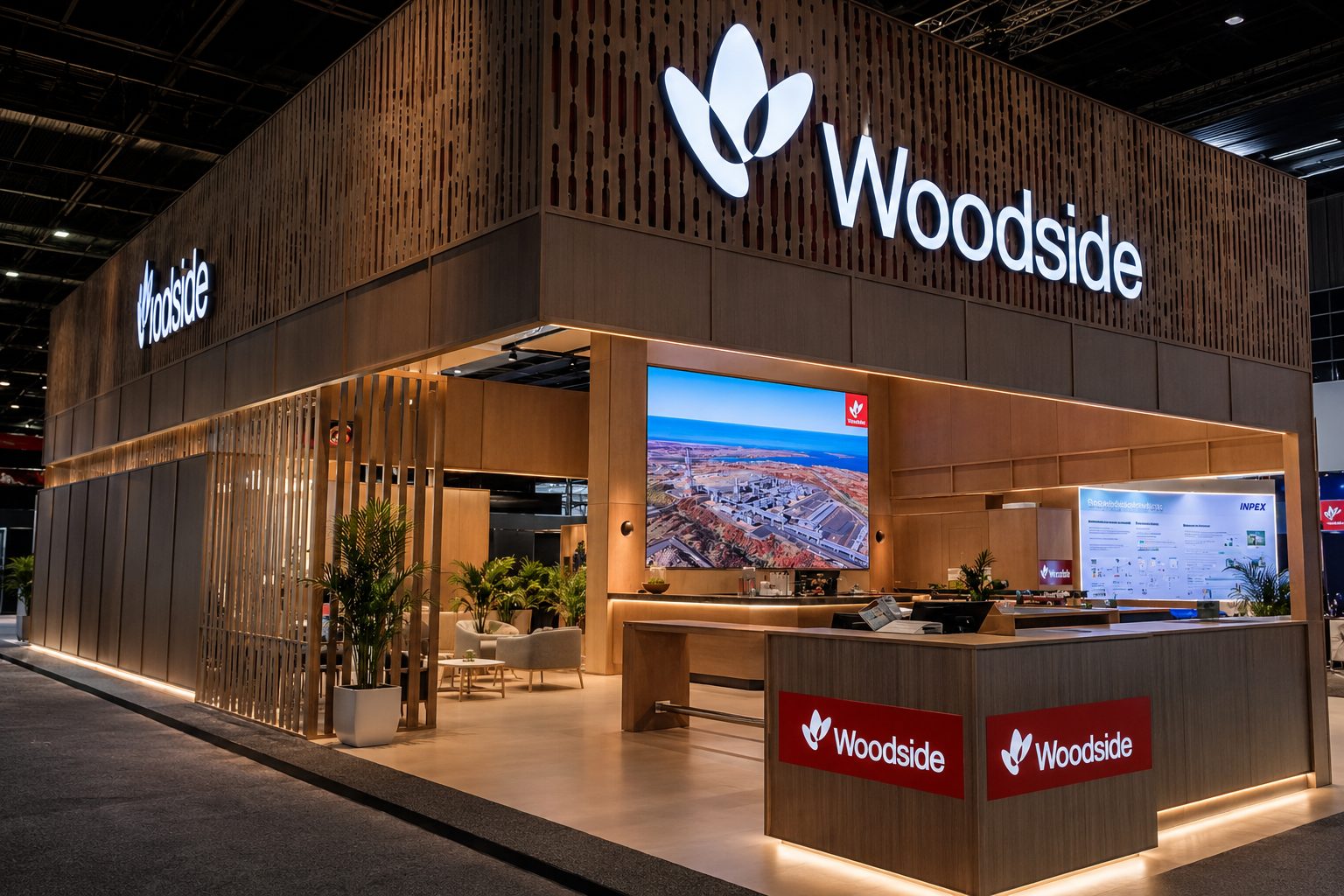
Woodside Energy Group’s Browse LNG project, stalled for years, is now back in the headlines after a Deloitte report commissioned by Woodside pegged the total capital cost at A$48.7 billion—around $35.2 billion. That’s a sharp jump from the A$27.3 billion figure the company cited in 2019.
Timing is crucial here. ABC reported that after an eight-year wait for a call on the offshore Browse project, Woodside might finally get an answer soon, with Australia’s environment department potentially sending its final recommendation—approve or reject—to Environment Minister Murray Watt as early as next month.
Gas from the Browse fields off northwest Australia is slated to enter the North West Shelf system at Karratha—a plant granted a life extension to 2070 just last year. So, this isn’t simply a call about one gas field; it’s linked to how long one of Australia’s main LNG export sites stays active.
Woodside’s Browse to North West Shelf proposal targets the Calliance, Brecknock, and Torosa fields, some 425 km north of Broome. The development plan calls for two offshore production vessels connected to North West Shelf infrastructure via a roughly 900-km pipeline. Projected annual output stands at 11.4 million tonnes—LNG, liquefied petroleum gas, and domestic gas combined—with peak condensate production reaching 50,000 barrels a day.
Liz Westcott, Woodside’s chief executive, called Browse “Australia’s biggest undeveloped offshore gas resource” in the company’s statement, stressing that energy security “matters more than ever”. Woodside cited Deloitte modelling estimating a lift of over A$141 billion to national GDP and upwards of A$56 billion in taxes, with A$19.8 billion of that attributed to the petroleum resource rent tax—a profit-based levy on offshore petroleum.
Project costs have climbed partly due to the addition of a carbon capture and storage, or CCS, feature—essentially capturing carbon dioxide and locking it underground. According to Reuters, this CCS component was included in 2023, targeting the injection of as much as 4 million metric tons of CO2 per year into the Browse reservoirs.
Woodside’s lineup of partners complicates the economics. BP Developments Australia owns the largest stake in Browse at 44.33%, followed by Woodside Browse with 30.60%. Japan Australia LNG—the Mitsui and Mitsubishi joint venture—holds 14.40%. PetroChina International Investment has 10.67%, per Woodside’s project page.
But there’s no guarantee the project gets the green light. Environmental groups are pushing back against any development close to Scott Reef—ABC called it habitat for endangered pygmy blue whales and a key nesting area for green turtles. Greenpeace campaigner Hannah Schuch put it bluntly: “no acceptable or safe way” to go ahead at the reef. ABC News
Commercial risks are in play as well. Deloitte, in its report, made clear it’s estimating economic impact only — not making a call on whether Browse should go ahead. The report also pointed out that the project still hinges on a final investment decision, regulatory sign-off, and commercial deals.
Woodside finished Wednesday’s session at A$30.87 on the ASX, ticking up 0.42%. Its U.S. shares hovered near flat, last quoted at $22.45 in late New York trade.
Woodside faces a straightforward challenge next: secure the needed approvals, keep the joint venture intact, and prove to investors that Browse can handle a larger capital burden without sidelining other growth opportunities.