Jakarta, Feb 22, 2026, 14:46 WIB — Market’s done for the day
- IDX wants to hike its minimum free float rule to 15%, up from 7.5% now—a shift that would potentially add about $11 billion in extra shares to the market.
- The JCI (IHSG) benchmark eked out a close at 8,271.77 on Friday, slipping 0.03%. Yet across the week, it still booked a gain, up about 0.7%.
- Traders are watching for details on how the policy gets rolled out, plus any fresh enforcement actions. They’re also tuned in to Bank Indonesia’s M2 money supply data, which is due Feb 23.
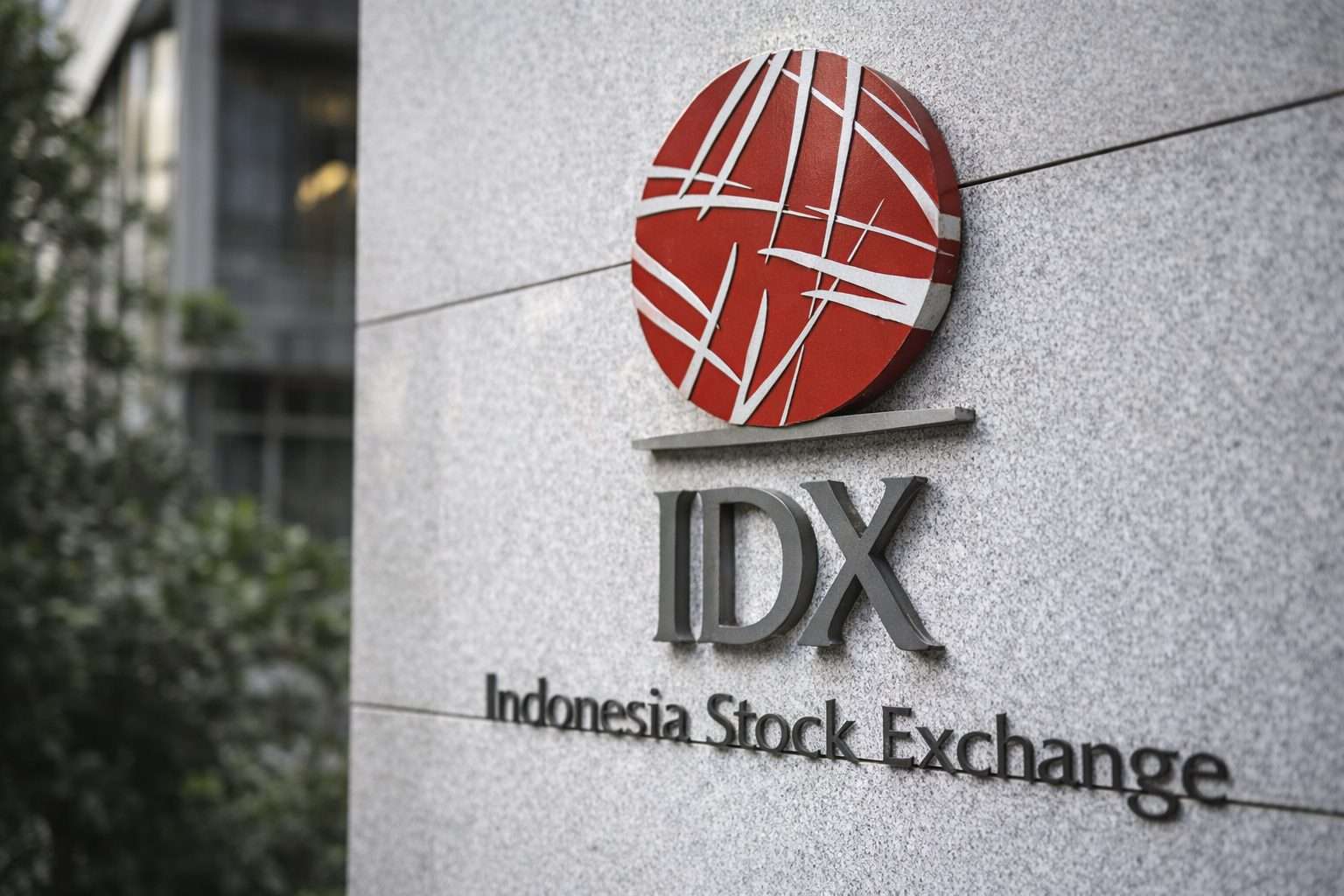
Indonesia’s stock market is staring down a looming surge in supply as the minimum “free float” threshold is poised to jump to 15% from 7.5%. That tweak, flagged by an IDX director, could unleash about 187 trillion rupiah ($11.08 billion) of shares onto the board. Liza Camelia Suryanata, head of research at Kiwoom Sekuritas Indonesia, described the move as a potential “turning point,” though she warned of “short-term volatility” if either liquidity or prices take a hit during the adjustment. Reuters
Timing doesn’t get much tighter: MSCI called out Indonesia over transparency issues in January, warning it could drop to frontier market status as early as May—a move that might trigger forced sales for certain funds. Since then, regulators have amped up enforcement around market conduct, clearly keen to show that it’s not just cosmetic changes this time. The playbook’s under revision.
The Jakarta Composite Index (JCI), or IHSG, slipped 0.03% on Friday to close at 8,271.77. Over the week, the benchmark added roughly 0.7%. Despite quiet moves on the surface, lingering policy and governance jitters fueled bursts of volatility that kept traders on their toes.
Friday’s session saw choppy moves beneath the headline numbers. Consumer non-cyclicals were hit hardest, dropping 1.53%, while energy stocks slipped 1.02%. The LQ45 blue-chip names, though, managed to notch a gain. Turnover came in around 20.4 trillion rupiah. The rupiah was quoted stronger, hovering close to 16,875 per dollar based on local figures.
The toughest hit, if the fresh rule takes effect, falls on a handful of closely held names. Barito Renewables Energy (BREN.JK) alone would need to put more than $1.8 billion worth of shares on the block to clear the 15% float line, Reuters found after digging through public filings. Other major companies bracing for big forced sales: Bank Permata (BNLI.JK), Hanjaya Mandala Sampoerna (HMSP.JK), Bank Syariah Indonesia (BRIS.JK), and Trimegah Bangun Persada (NCKL.JK).
This goes beyond just governance optics; pricing comes into play here as well. Increasing the free float usually boosts liquidity and can keep a stock from getting boxed in. Of course, it also brings the risk of larger block trades and secondary offerings—those often land with hefty discounts.
Issuers want greater leeway. Hasan Fawzi, serving as OJK’s interim capital markets supervisor, mentioned a possible transition period stretching up to three years, though the details remain unsettled for now.
The OJK hasn’t been passive. Fines reached 11.05 billion rupiah, slapped on one company and three people accused of stock manipulation from 2016 through 2022. The regulator described a web of accounts propping up prices, even noting a social media figure’s role. It’s a case that’s brought fresh attention to “stock frying”—a well-known practice in Indonesia—and the risks around thinly traded shares.
The trade tape lit up after Indonesia and the U.S. struck a deal to cut U.S. tariffs on Indonesian goods to 19%, down from 32%. Palm oil and several other commodities are still excluded, remaining off-limits for now. Implementation depends on both countries finishing legal formalities. “Win-win,” is how senior minister Airlangga Hartarto summed it up. CSIS Indonesia chief Yose Rizal Damuri pointed to a possible confidence bump—if Jakarta uses the agreement to “increase trust” and presses for wider deregulation. Reuters
Next week on the Indonesia Stock Exchange, the spotlight shifts from headline numbers to the nuts and bolts: market participants will be watching how quickly the free-float rule is implemented, whether regulators decide on any carve-outs, and the extent to which oversight extends beyond the micro-cap names.
Monday brings Bank Indonesia’s M2 money supply numbers, considered a crucial indicator locally. M2 tracks cash and deposits, giving traders a read on system liquidity and lending. The data draws extra focus right now, as jitters persist over shifts in foreign money flows.
Bears see it plain: sellers step in first, buyers hesitate. Large blocks or secondary offerings could pile on, and if foreign funds stay cautious ahead of the MSCI review, valuations might tumble quickly—turning prices jumpier than usual, even on small shocks.