
TOKYO, August 17, 2026, 11:07 CEST
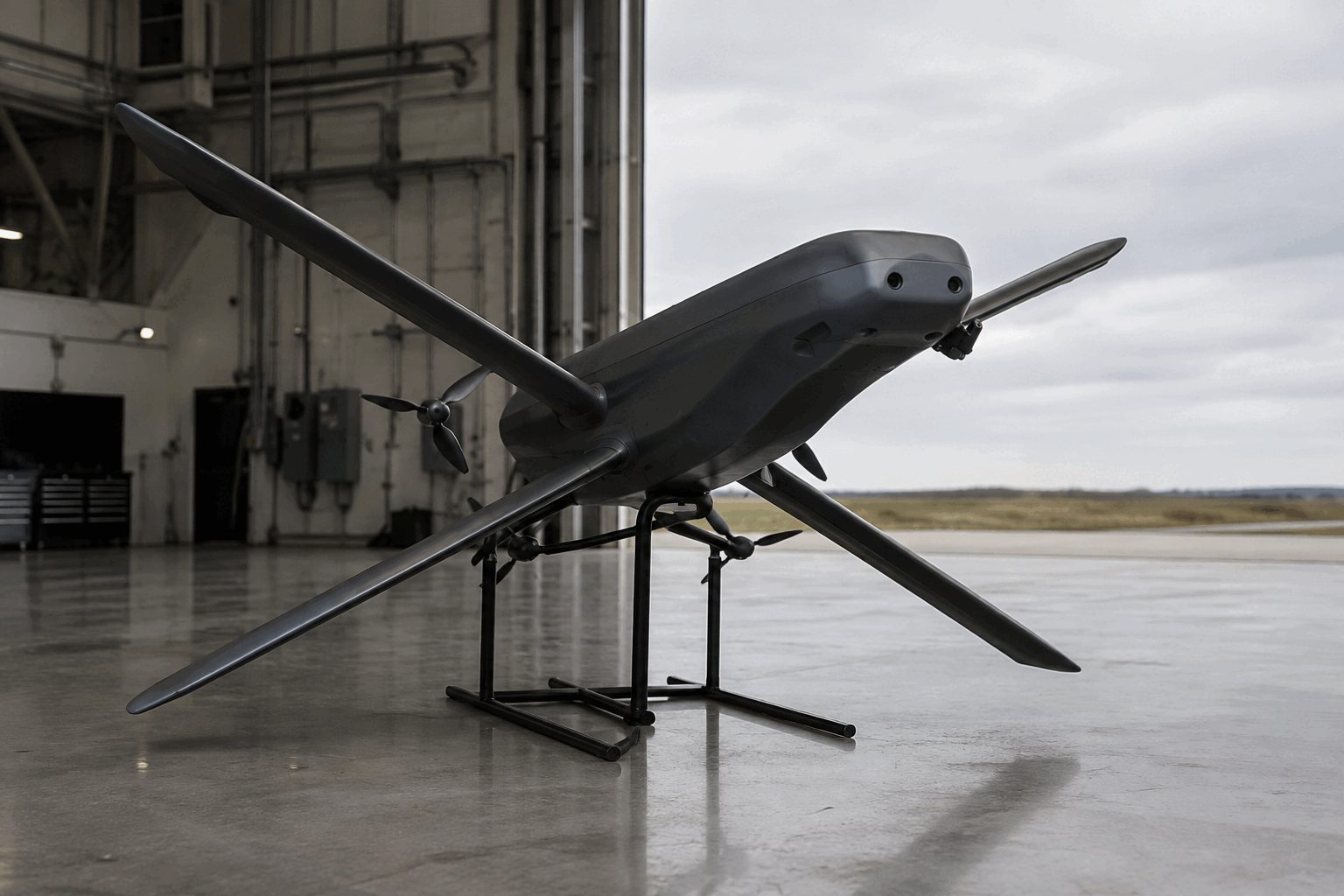
Japan’s Ground Self-Defense Force is running tests of Helsing’s HX-2 drone, which uses AI, through September. Rakuten Group (TYO:4755) acts as the local partner, aiming for a possible sale, but there’s no deal yet.
The trial opens a door for the German startup in Japan, one of Asia’s shifting defense markets. Japan also gets a direct look at small, software-driven strike drones. The main holdup isn’t just the drone. Local access to procurement is a factor.
Rakuten said Helsing made a preliminary deal with Japan earlier this year. Field trials are set to run through the end of September. The companies did not disclose price, quantity, testing sites, or decision timelines.
| Japan HX-2 process | Verified status | What remains unknown |
|---|---|---|
| Government engagement | Japan reached an initial agreement in early 2026 | Legal details and what the finances look like |
| Field testing | Ground Self-Defense Force is testing the HX-2 | Location for testing and how it will be judged |
| Test period | Testing window goes until September 2026 | When, exactly, the trials will finish |
| Local partner | Rakuten is handling brokerage | How fees work and if their role will continue |
| Procurement | No final order yet | How many, pricing, when units arrive |
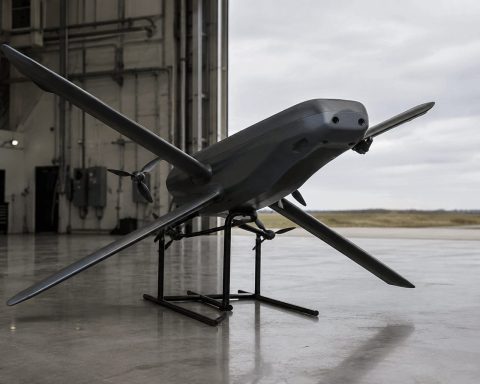
HX-2 is an electric X-wing precision munition, with Helsing saying it can reach up to 100 kilometers. The system weighs 12 kilograms and tops out at 220 km/h. Payloads offer options for multi-purpose, anti-tank, or anti-structure uses.
The company claims onboard AI allows HX-2 to locate and re-identify targets on its own, without needing a steady data link. It also says the drone can resist hostile electronic warfare. Japan’s trial hasn’t independently verified these performance claims.
Helsing has linked HX-2 with its Altra platform, which blends sensor data, mission planning, artillery, and drone swarms. The company says a human is kept in or on the loop to make key decisions.
| Helsing system | Domain | Primary role | Public capability | Human role |
|---|---|---|---|---|
| HX-2 | Land and air | Precision strike | 100 km range, 12 kg, top speed 220 km/h | Human stays in or on the loop for important decisions |
| Altra | Multi-domain software | Coordinates reconnaissance and strike | Combines sensors, controls artillery and drone swarms | Operators set up and adjust missions |
| SG-1 Fathom with Lura | Underwater | Long-duration surveillance | Works for up to three months, provides local classification | Single operator runs several units |
| CA-1 Europa | Air | Autonomous combat aircraft | Multi-role, weapons bay, no public specs | Few public details on operator use |
This comparison highlights Helsing’s model, where hardware runs inside a broader software layer. HX-2 is the main strike product specified in public. Other platforms use a similar method for underwater and air combat applications.
Rakuten is in a key spot here. Despite not having much of a track record in defense, it has a handle on how Japanese procurement and institutions work. Hideaki Mukai, chief of staff to the CEO, said Rakuten wants to “bridge these gaps” between startups and government agencies. Reuters
Foreign defense startups run into slow sales, tough regulations and language gaps in Japan. Rakuten set up a military demo for Ukraine’s Swarmer, a drone software firm. In April, the test ran a swarm of drones in a seek-and-hit drill.
| Scale indicator | Verified figure | Relevance to Japan |
|---|---|---|
| HX-2 order in Ukraine | 6,000 units announced February 2025 | Shows demand is already there |
| HF-1 order previously for Ukraine | 4,000 units | Gives context on factory experience |
| Helsing RF-1 plant output | Over 1,000 HX-2 monthly | Points to possible ramp for production |
| Japan defense budget for 2026 | Over ¥9 trillion | Pays for wider upgrade push |
| Japan potential HX-2 order | Not disclosed | Testing hasn’t led to buying yet |
Helsing said it plans to produce 6,000 HX-2 units for Ukraine, following an earlier 4,000-unit HF-1 order. Its new German resilience plant can turn out more than 1,000 HX-2 units a month at launch. The company said these numbers are about manufacturing goals, not about what Japan might order.
The Japanese cabinet signed off on a 2026 defense budget plan over ¥9 trillion. Officials said unmanned assets will help build a layered coastal defense system. HX-2 trials are in line with this, but there’s still no public budget linked to Helsing.
Risks: Running a field test doesn’t mean a firm order. Range, jamming resistance and AI capabilities still have to prove out in real-world use. Export sign-offs, safety regulations and public attention might all affect the final agreement.
Japan is still looking at HX-2, and Rakuten has started the procurement process. A real order is what comes next—not more demos.