
NEW DELHI, August 17, 2026, 09:44 IST
- Prime Minister Narendra Modi promised AI skills courses for 10 million young people.
- By July 8, 8.527 million people had enrolled in a national AI-literacy course.
- Official statements don’t say how much is done, when it’s due, or give a new budget.
India is promising AI-skilling programs for 10 million youth, with the government saying a previous course already signed up 8.527 million people.
That makes up 85.27% of the 10 million target for AI literacy set by the government. But this doesn’t solve the tougher problem. Signing up isn’t the same as finishing, earning certification, or gaining skills for a job.
Prime Minister Narendra Modi made the 10-million youth pledge in his Independence Day speech Saturday. He didn’t give a timetable or say if there would be a separate budget, according to his reported comments.
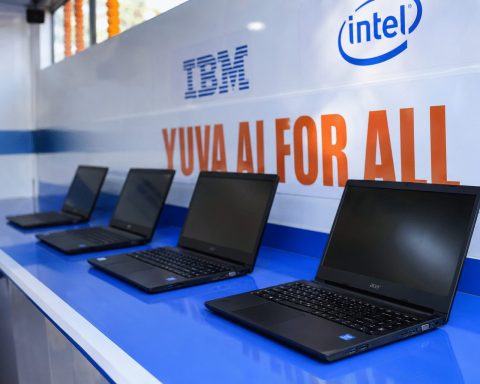
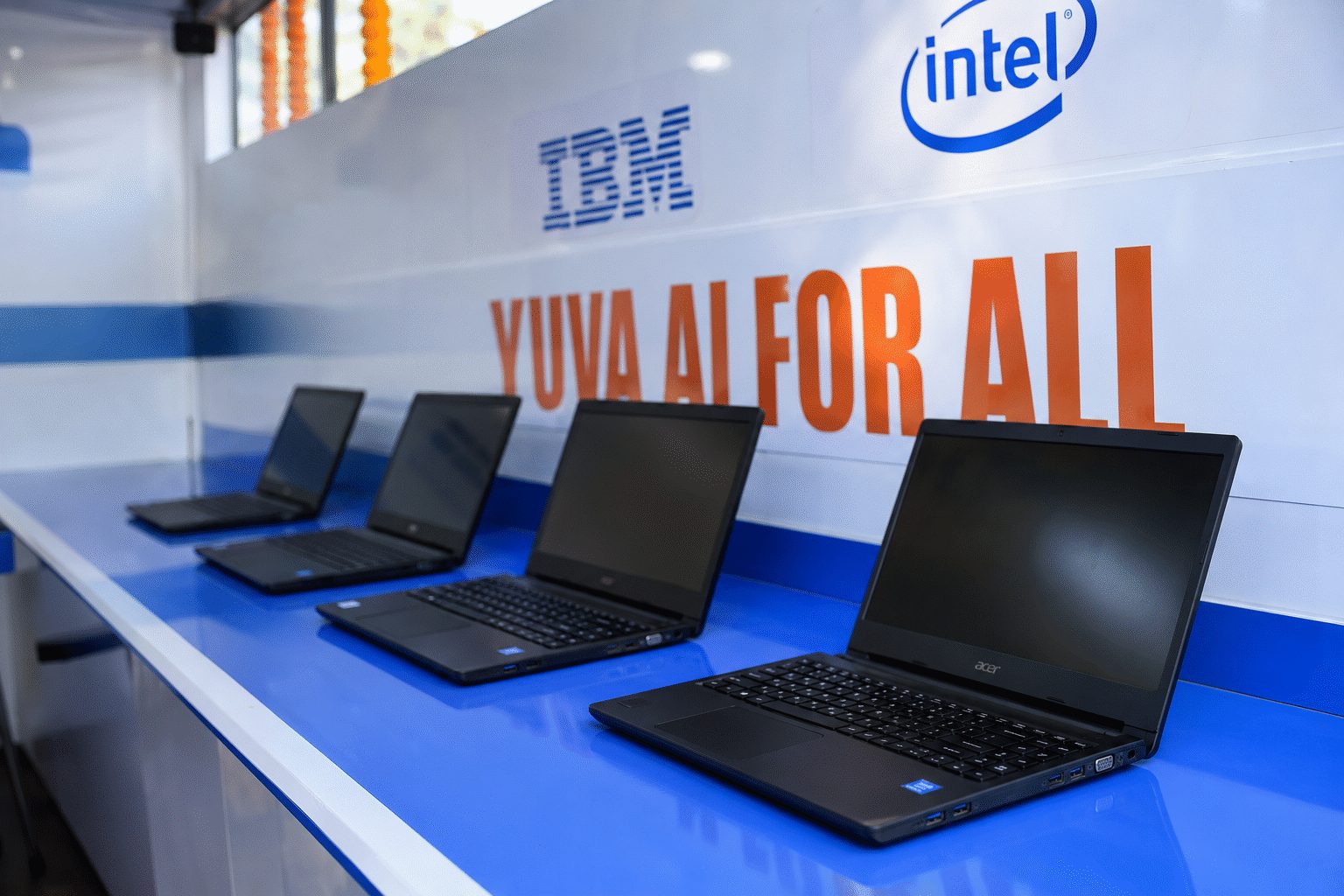
The pledge is similar to YUVA AI for ALL, which rolled out in November 2025. That course is free, moves at your own pace, and aims for 10 million users, mostly youth. It runs 4.5 hours, with a government certificate at the end.
| Headline measure | Verified figure | What it means |
|---|---|---|
| National target | 10,000,000 learners | YUVA set this AI literacy goal |
| Enrolment by July 8 | 8,527,000 | This covers 85.27% of the target |
| Remaining enrolment gap | 1,473,000 | Still 14.73% away from the goal |
| Course duration | 4.5 hours | Intro level, not advanced training |
The government gave the 8.527 million enrolment figure on July 15, based on numbers up to July 8. The release called the course an intro to basic AI. It didn’t say how many finished.
Scale stands out as the biggest advantage for the program. There are six short modules laying out AI fundamentals, shifts in work and education, safety, Indian case studies and jobs to come. The setup keeps it quick and affordable.
| Program | Primary audience | Verified scale | Depth indicator |
|---|---|---|---|
| YUVA AI for ALL | Citizens, mainly focused on youth | 8.527 million enrolled as of July 8 | 4.5 hours, split across six modules |
| SOAR | Students from Classes VI–XII and teachers | 230,000 enrolled with target date February 2026 | Four separate course tracks |
| FutureSkills Prime | Learners interested in new tech skills | Above 3.3 million users registered | Over 2,800 courses and learning tracks |
| IndiaAI FutureSkills | Students from undergrad through PhD | National fellowship with a lab network | 570 AI and Data Labs in pipeline or underway |
The broader training stack goes past basic literacy. SOAR is aimed at school students and teachers. FutureSkills Prime brings longer tracks tied to jobs. IndiaAI FutureSkills backs advanced courses and labs.
Modi called the push a move in the global tech race. “This is the era of robotics, AI, quantum technology, space and data centres,” he said. The next policy question: can basic literacy feed into bigger courses?
| Delivery question | Current disclosure | Why readers should care |
|---|---|---|
| Who can enrol? | Open to all, with a focus on young people | Wide access could help scale fast |
| What does completion require? | Six modules, but no clear assessment standard disclosed | This sets expectations for what the certificate means |
| How many have completed? | Not mentioned in official releases cited | Sign-ups don’t reflect actual learning |
| When must 10 million be trained? | Reported August 15 remarks did not set a deadline | No deadline means training rate can’t be tracked |
| What is the incremental budget? | Not shared in remarks that were reported | Makes cost-per-learner unclear |
| What are the job outcomes? | No stats on placements for the literacy course | Makes it hard to see links to actual jobs |
The math here explains why outcomes now count more than raw reach. Ten million completions at 4.5 hours per person comes out to 45 million hours of learning. That’s a serious literacy push. But it doesn’t come close to what’s needed for job training or a full degree.
The government says the course features Indian case studies and pushes for ethical, responsible AI. The course is listed on FutureSkills Prime, iGOT Karmayogi, plus other learning sites. Schools and colleges can add it themselves and run it in their own programs.
Risks: Big sign-up numbers can hide low completion rates, repeated users or mixed learning results. Without data on certification or testing, it’s tough to measure the program’s value in the workforce.
The next thing to watch isn’t more headlines about how many have signed up. What matters now is a verified tally of completions, certificates, and how many move on to more advanced AI training.