
Key points
- On Jan. 13, 2026, The Verge updated its “best phone to buy right now” guide, naming the iPhone 17 as the top choice for iPhone users and the Pixel 10 as the leading pick for most Android buyers.
- On Jan. 14, 2026, Tech Advisor ranked the Google Pixel 10 Pro XL as the top overall choice, highlighting its use of Android 16 and an extended update support period.
- According to Tom’s Guide’s battery rankings (updated Jan. 13, 2026), the OnePlus 15 lasted 25 hours and 13 minutes during its web-browsing endurance test.
Tom’s Guide has refreshed its 2026 battery-life rankings, and the standout figure is tough to overlook: the OnePlus 15 lasted 25 hours and 13 minutes in their tests. If you’re the type to scramble for a charger once your phone dips below 12% by evening, this kind of endurance could redefine what “all-day” really means.
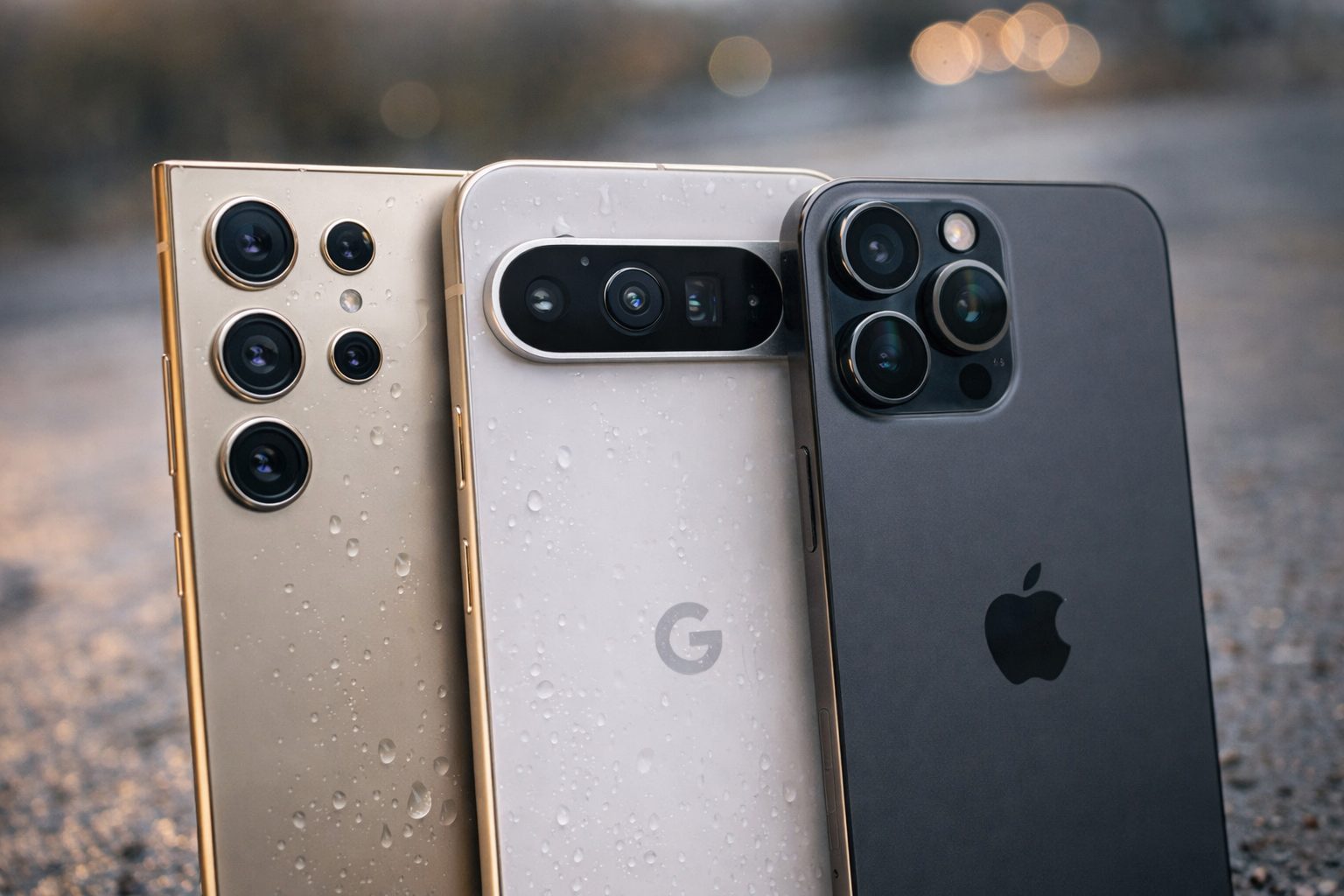
Two major “best phone” lists refreshed this week are steering buyers toward a familiar divide: Google’s Pixel 10 series for Android users, and Apple’s iPhone 17 for those on iOS. The draw isn’t flashy new hardware but rather fewer headaches, improved charging, extended support, and features that just work without needing a manual.
This is important today as flagship phones continue to climb in price, and the upgrade cycle grows complicated. You might pick up a device that resembles last year’s model but still offers real improvements where it counts: longer battery life, magnetic wireless charging, and software updates that last well beyond a couple of years.
Allison Johnson’s updated guide at The Verge names the iPhone 17 as the top pick for most users, thanks to features like an always-on display, a faster refresh rate, and a new 48-megapixel ultrawide camera. It points out that the lack of a telephoto lens is the clearest reason to consider the Pro version. On the Android side, the Pixel 10 earns mention for introducing Qi2 magnetic wireless charging, a telephoto camera on the standard model, and AI tools such as “Magic Cue,” though it flags compromises in camera quality and only decent battery life. For budget options, the Pixel 9A is recommended, while foldables like Samsung’s Galaxy Z Flip 7 and Google’s Pixel 10 Pro Fold are also highlighted, with durability and dust resistance coming up more frequently in reviews. Theverge
In Tech Advisor’s latest top-10 list, Anyron Copeman crowns the Google Pixel 10 Pro XL as the overall leader, thanks largely to Android 16 and Google’s solid update track record. The phone’s built-in Qi2 wireless charging and fresh lineup of magnetic “Pixelsnap” accessories also boost its appeal. Other highlights include the Oppo Find X9 Pro for its camera performance and massive battery, while the Samsung Galaxy S25 Ultra stands out as a software and AI heavyweight—though the absence of Bluetooth for the S Pen is noted as a downside. The iPhone 17 emerges as Apple’s more affordable option, despite Tech Advisor pointing out that Apple Intelligence remains “behind the competition and our expectations.” Techadvisor
Tom’s Guide doesn’t just name the OnePlus 15 the battery champ — it basically rewrites the standards for solid endurance. Their web-surfing test clocks the average smartphone at just under 11 hours, with phones needing to hit around 16 hours to be considered good. Leading the pack in their top 15 is the OnePlus 15 (25:13), followed by the OnePlus 15R (21:54) and the Asus ROG Phone 9 Pro (20:34). Even big hitters like the iPhone 17 Pro Max and Samsung Galaxy S25 Ultra rank lower.
Line up the three updates, and a pattern emerges: the “best phone” in 2026 isn’t defined by a single standout feature anymore. Instead, it’s about the everyday basics. Extended software support—seven years is actually a hot topic now—dependable cameras, and batteries that won’t drain when you treat your phone like a mini computer.
Qi2 is driving that change. Simply put, it’s magnetic wireless charging—the charger snaps into place, so you won’t find your phone uncharged because it slipped off by a tiny margin. If magnets catch on as the standard for Android flagships, the accessory landscape is set for a major overhaul, not just the devices themselves.
A quiet “trickle-down” effect is also underway. The Verge notes that the standard iPhone 17 offers a screen experience that makes choosing the Pro less necessary. Meanwhile, the base Pixel 10 gains a dedicated telephoto lens for the first time, though its cameras don’t fully match the Pro’s setup.
Cameras remain a contested space, though the conversation has shifted. Tech Advisor points to AI camera features on several flagships as inconsistent, while The Verge views genuinely useful AI as more of an outlier than the norm — a clear indicator of the current trust level among buyers.
One risk lies in how these headline features perform outside the lab. Battery tests follow strict controls, but foldables still face durability concerns—dust and hinge wear won’t vanish quickly. Magnetic ecosystems only truly work when cases, chargers, and accessories align—and when manufacturers actually deliver on their update schedules.
For buyers, the message is clear: choose your platform, then focus on features that help a phone stay fresh into its second and third years. By early 2026, the battle for “best phone” is shifting toward durability rather than flashy new gimmicks.