
CAPE CANAVERAL, Florida, January 17, 2026, 10:32 EST
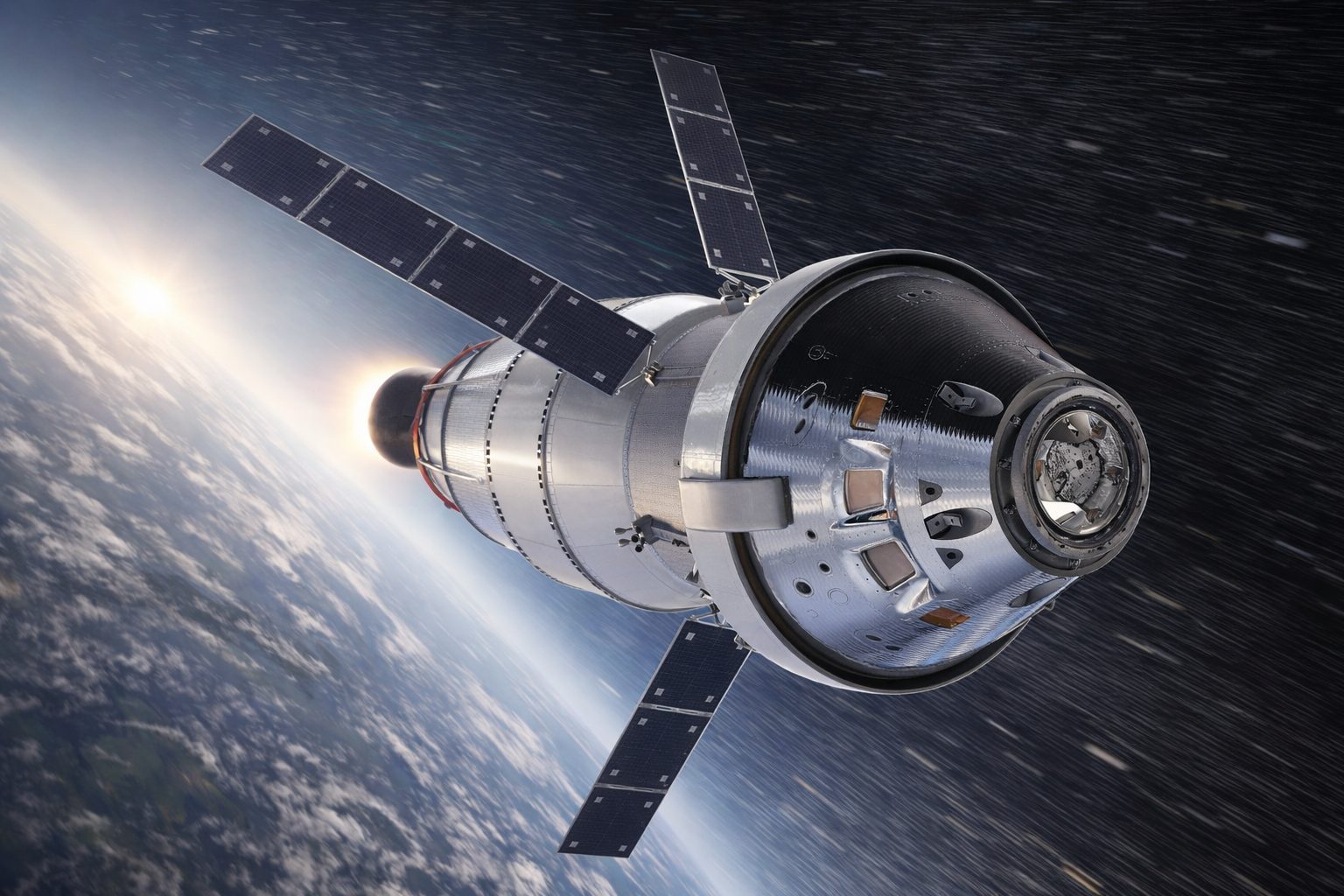
- On Saturday, NASA started moving its Artemis II Space Launch System rocket along with the Orion crew capsule to Launch Pad 39B in Florida.
- The agency notes that the first possible launch window for the roughly 10-day lunar fly-around begins on Feb. 6, contingent on pad tests and a complete fueling rehearsal.
- NASA’s Artemis II mission will send four astronauts on a trip around the Moon and back, marking the agency’s first crewed lunar flight since 1972.
NASA kicked off the rollout of its Artemis II Moon rocket to Launch Pad 39B at Kennedy Space Center on Saturday, marking a critical milestone for the agency’s first crewed lunar mission in over five decades. The four-mile journey began promptly at 7:04 a.m. EST, with the earliest opportunity to launch set for Feb. 6, according to NASA.
The rollout moves NASA’s heavy-lift rocket, the Space Launch System (SLS), into its last phase of testing at the launch pad. Engineers are set to conduct a “wet dress rehearsal,” which involves fully fueling the rocket with super-cold propellants—but without firing the engines—before leadership sets a launch date. https://www.nasa.gov/blogs/missions/2026/01/16/artemis-ii-moon-rocket-ready-for-big-move/
NASA Administrator Jared Isaacman described Artemis II as “a momentous step forward for human spaceflight” after the agency released a fresh press kit for the mission this week. NASA noted the flight will send crews farther from Earth than ever before and gather crucial data for future surface-return missions. https://www.nasa.gov/news-release/what-you-need-to-know-about-nasas-artemis-ii-moon-mission/
The 322-foot rocket stack rolled out of the Vehicle Assembly Building at roughly 1 mile per hour, carried by a crawler transporter that dates back to the Apollo and shuttle programs. Artemis II mission management chair John Honeycutt noted, “This one feels a lot different, putting crew on the rocket and taking the crew around the moon,” as thousands of workers and family members gathered before dawn to witness the event, AP reported. https://apnews.com/article/artemis-nasa-moonshot-921fc1a0a832217fae8b57d2fce2dc66
Artemis II’s crew features commander Reid Wiseman, pilot Victor Glover, and mission specialist Christina Koch, all from NASA, alongside Jeremy Hansen from the Canadian Space Agency. NASA highlighted that this team includes the first woman and the first person of color designated for a lunar mission, even though the flight won’t involve landing on the Moon. https://www.nasa.gov/news-release/nasa-names-astronauts-to-next-moon-mission-first-crew-under-artemis/
NASA is pushing ahead with other human spaceflight efforts simultaneously, including a scheduled crew swap on the International Space Station, CBS News reported. Launch director Charlie Blackwell-Thompson described the rollout as intentionally slow — “come outside for the world to have a look” — while Honeycutt told reporters, “We’re making history.” https://www.cbsnews.com/news/nasa-juggling-piloted-moon-mission-and-space-station-crew-replacement-flight/
The schedule remains tentative. NASA insiders and external observers point to the fueling rehearsal and pad checkouts as critical milestones. Previous Artemis I efforts faced propellant leaks and other setbacks, and any hold-up now might push the crewed launch past early February. https://www.space.com/news/live/artemis-2-nasa-moon-rocket-rollout-jan-17-2026
The Artemis initiative is part of a broader lunar race. China’s crewed space program has announced plans to land astronauts on the Moon by 2030. https://english.www.gov.cn/news/202305/29/content_WS64748c46c6d03ffcca6ed781.html
Artemis II continues to challenge a sprawling U.S. industrial network, involving major aerospace players like Boeing and Northrop Grumman, who work on the SLS rocket, while Lockheed Martin handles the Orion capsule, according to Reuters. https://www.reuters.com/science/first-us-artemis-astronaut-mission-around-moon-track-april-officials-say-2025-09-23/
Right now, the crawl to the pad on Saturday shows the orange core stage, twin boosters, and the capsule perched on top. But the real work comes afterward: hookups, rehearsals, and the readiness call that will lock in the launch date.