
SAN FRANCISCO, August 17, 2026, 09:06 PDT
- Uber Eats and Zipline expect to start U.S. drone deliveries in Dallas and Houston before the end of the year.
- The partners plan to hit one million drone deliveries a day by the end of 2029.
- Uber hasn’t said how much it invested, which merchants are joining, or what the fees are.
Uber Technologies (NYSE:UBER) and Zipline said Monday they’ll roll out drone delivery for Uber Eats in Dallas and Houston by late 2026. The companies set a big goal: hit one million autonomous deliveries a day before 2030.
The scale in this plan is the main thing, not just the aircraft. Hitting one million trips a day would work out to 365 million a year. That’s about 365 times what Zipline managed last year—roughly one million commercial deliveries, using a simple annual estimate.
| Scale measure | Volume | Status | What it shows |
|---|---|---|---|
| Zipline has delivered over 2 million orders | More than 2 million | Achieved | Runs on four continents so far |
| Commercial deliveries over the past year | About 1 million | Reported by WSJ | Shows the current yearly run rate |
| Uber-Zipline daily target for end of 2029 | 1 million per day | Target | Planned reach for the network |
| Annual pace for 2029 target | 365 million | Calculated | That’s 365x last year’s volume |
The companies say eligible orders should show up in five to 10 minutes. An average Uber delivery runs around 30 minutes, the Journal reported. CEO Dara Khosrowshahi called demand for fast delivery “insatiable.” The Wall Street Journal
Speed may affect what’s worth buying. Food loses quality as it sits. Small grocery or pharmacy runs start to make sense when delivery gets close to a quick drive.
Uber said it put money into Zipline as a strategic move. The companies didn’t say how much. The rollout begins in places where Zipline is active, with plans to move into more U.S. cities later.
| Consumer detail | Confirmed for Uber-Zipline | Still unknown |
|---|---|---|
| First markets | Dallas and Houston planned for late 2026 | Which specific neighborhoods and when launches will happen |
| Expected fulfillment | Aiming for five to 10 minutes | Whether the speed is guaranteed |
| Expansion | Plans to add dozens more U.S. cities | Which cities added first and rollout schedule |
| Customer price | No pricing released | If there’s a delivery fee or subscription option |
| Merchant access | Not disclosed | Which restaurants or retailers can join |
| Uber investment | Says it has made a strategic investment | Details on size and percent ownership |
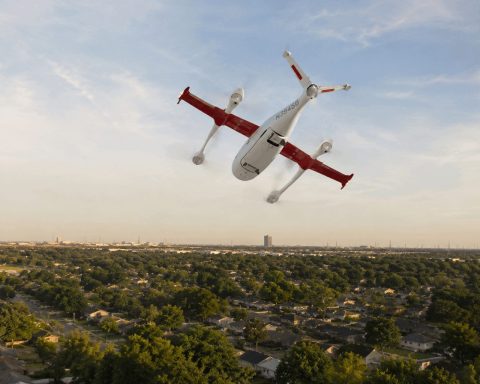
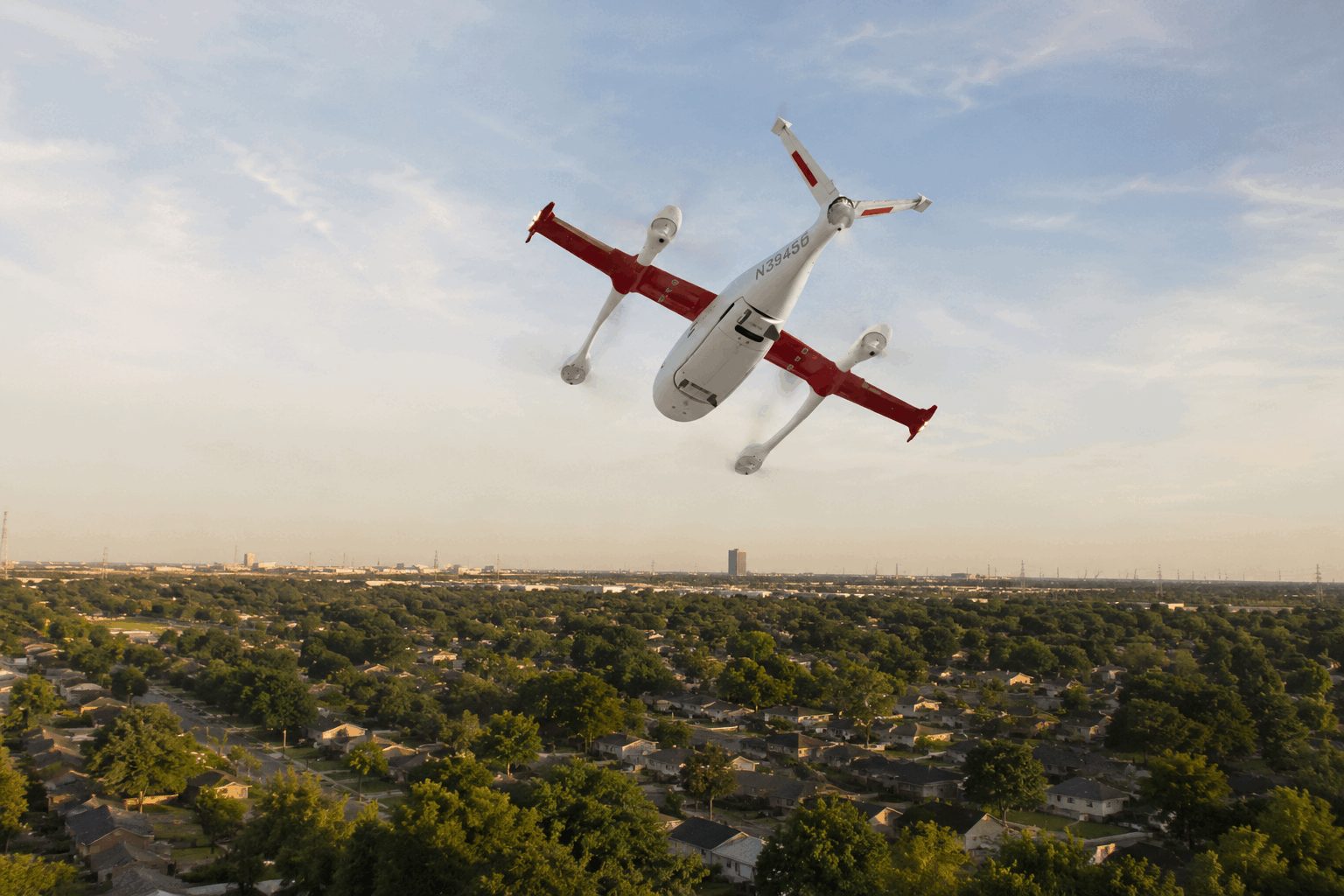
Zipline is set to handle the home deliveries using its Platform 2 system. The aircraft can fly up to 70 mph and deliver up to eight pounds within a 10-mile range. Packages are lowered by a small device as the drone hovers over the drop spot.
| Specification | Zipline Platform 1 | Zipline Platform 2 |
|---|---|---|
| Primary use | Long routes for business and government shipments | Home drop-offs |
| Payload | 4 lb | 8 lb |
| Range | 120+ miles round trip | 10 miles out from base or 24 miles in one direction |
| Cruise speed | 60 mph | 70 mph |
| Delivery method | Drops with a parachute from 60–80 feet | Lowers by tether from as high as 300 feet |
| Loading model | Zipline crews at central locations | Merchant-run dropboxes |
Platform 2 relies on FlightIQ, Zipline’s onboard autonomy and perception software. The company says it can get a package 10 miles in about 10 minutes, though that’s based on its own specs and isn’t a promise from Uber.
Houston is one of the first places Zipline is testing local demand. The company rolled out a small launch for 5,000 eligible people in the Cypress area in April, dropping all service and delivery fees for the pilot. But that doesn’t say anything about what Uber might charge if it joins.
Zipline said it passed two million total deliveries by January. The company said its aircraft reached 125 million autonomous miles with no serious injuries, based on company-reported safety data.
Uber is putting together a mixed delivery setup, not moving to get rid of human couriers. The company said it has a separate U.S. drone deal with Flytrex set for 2025. Zipline picks up a second aircraft operator and teams with a known home delivery app.
The hybrid setup means drones get used for small, time-sensitive deliveries. Heavier packages and tricky drop-offs—with tough buildings or no safe places to leave items—still go to human couriers.
Risks: The one million a day number is a target, not a formal guidance number or backed by firm contracts. Weather, airspace rules, neighborhood pushback, noise, infrastructure and how the units make money could all slow things down. Unclear fee and merchant info means it’s tough to gauge demand.
The early launches aren’t just about flight speed. They also have to prove if drone logistics can go from controlled pilots to Uber’s on-demand platform and still keep reliability and costs in check.