
SHANGHAI, August 17, 2026, 22:11 CST
- Unitree said its latest prototype hit 12.66 metres per second.
- The company is set to start trading in Shanghai on August 19, following its $905 million IPO.
- Key commercial specs and details on availability have not been released.
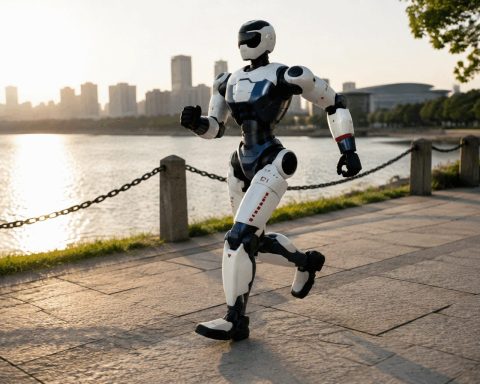
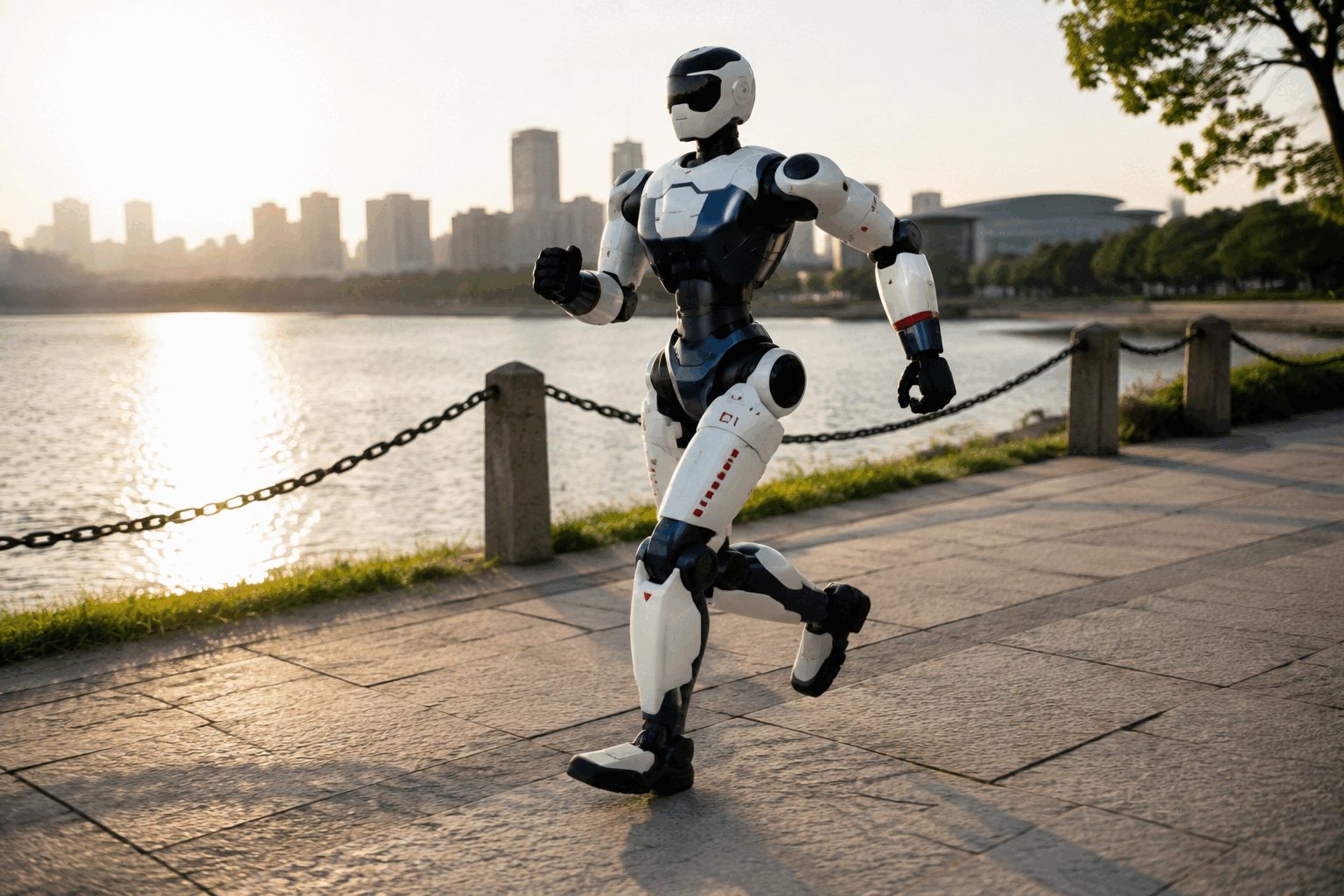
Unitree Robotics (SHA:688836) showed off a new humanoid robot called “Superman” on Monday. The prototype hit 12.66 metres per second and managed a standing jump of two metres, according to the company. Unitree says it built the robot in just over three months. Reuters
Timing is almost as important as speed here. Unitree is set to start trading Wednesday on Shanghai’s STAR Market, after pulling in 6.1 billion yuan—about $905 million. The retail portion was oversubscribed by more than 8,000 times.
For buyers and readers, the details are still thin. “Superman” hasn’t moved past the prototype stage and there’s no price. Unitree hasn’t released specs like height, weight, battery life, payload, sensors, autonomy level, or delivery date.
| Verified measure | “Superman” prototype | Unitree H1 | What the comparison shows |
|---|---|---|---|
| Top or listed speed | 12.66 m/s | 3.3 m/s | The prototype’s speed is 3.8 times higher than the current H1 figure. |
| Speed in km/h | 45.6 km/h, calculated | 11.9 km/h, calculated | Both numbers are direct conversions from the first row. |
| Standing jump | 2 metres | Not listed | Can’t compare: no H1 standing jump given. |
| Height | Not disclosed | About 180 cm | The size of the prototype is not public. |
| Weight | Not disclosed | About 47 kg | There’s not enough data to compare power-to-weight. |
| Commercial status | Work in progress | Commercial product | Demo results haven’t translated into product specs. |
The H1 numbers are on the cautious side. On its site, Unitree now lists 3.3 m/s but says possible speed is over 5 m/s. These specs are for a shipping model with a 0.864-kWh battery and 360 N·m of max joint torque.
Unitree covers multiple price points and sizes. That broad lineup is part of why a quick prototype can draw in both buyers at home and in industry, sometimes before specs are even out.
| Current Unitree humanoid | Starting price | Height | Weight with battery | Listed joint freedom |
|---|---|---|---|---|
| R1 Air | $4,900 | 123 cm | About 27 kg | 20 |
| G1 | $13,500 | 132 cm | About 35 kg | 23 |
| H2 | $29,900 | 182 cm | About 70 kg | 31 |
| H1 | No listed price on the product page | Roughly 180 cm | Around 47 kg | Total joints not listed |
| “Superman” | No price disclosed | No height disclosed | No weight disclosed | No joint info disclosed |
Unitree’s global product pages show R1 as the cheapest option. G1 steps up with 3D LiDAR and a depth camera. H2 is a full-size model with 31 degrees of freedom and a three-hour stated battery life.
Scale is now another hurdle. Unitree said last week it produced and shipped about 18,000 bipedal humanoid robots across its lineup as of July. Reuters calls it the world’s largest humanoid seller by sales.
| Capital-market measure | Earlier filing or period | Latest verified figure | Reader implication |
|---|---|---|---|
| Fundraising target | Planned 4.202 billion yuan in March | Actually brought in 6.1 billion yuan | They ended up raising about 45% more than expected. |
| 2025 revenue | Set at 1.699 billion yuan | Full-year total | Serves as the benchmark for tracking growth after IPO. |
| 2025 net profit | Listed as 590 million yuan | Full-year total | Company went public with consistent profit. |
| First-quarter 2026 revenue | Reported up 69% vs. prior year | 420 million yuan posted | Sales growth still strong but pace cooled versus last year. |
| First-quarter 2026 net profit | Dropped 53% year over year | 40.2 million yuan reported | Bigger spending on research and marketing squeezed profits. |
Unitree’s 2025 revenue topped 1.69 billion yuan, but first-quarter 2026 profit dropped as the company spent more on research. In its original filing, Unitree said it would use proceeds for AI models, hardware, new products, and a manufacturing base.
The prototype shown Monday backs that investment pitch, but it’s not the whole story. Fast running shows motion control and power density are there. But safe factory work, useful manipulation, and unsupervised operation aren’t proven yet.
Unitree is telling buyers to be careful. The company’s product pages call the global humanoid industry “in the early stages of exploration.” Unitree also tells users to keep a safe distance from the robots.
Risks: The 12.66 m/s figure is from the company and there’s no independent test protocol out. The prototype could change. There’s no set sale date. High valuation means any delay in rollout could hit hard.
Buyers are still waiting on a full spec sheet. For investors, what matters is proof that the company can turn speed into steady production value. For now, “Superman” is an eye-catching benchmark but still a work in progress.
Related articles: Artificial Intelligence