
NEW YORK, Feb 25, 2026, 14:29 EST — Regular session
Gasoline futures in the U.S. ticked up Wednesday, getting a lift from a reported drawdown in gasoline stocks—despite crude inventories jumping. NYMEX April RBOB, the benchmark U.S. wholesale gasoline contract, added roughly 1.5 cents to $2.245 per gallon.
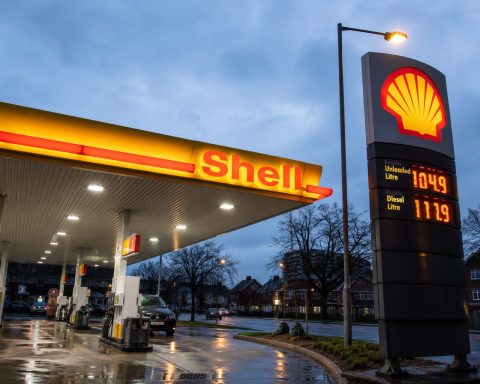
Wholesale prices have a way of working their way down to the pump, though not immediately. On Wednesday, drivers were looking at a national average of $2.975 for a gallon of regular, according to AAA.
Gasoline inventories dropped by 1.0 million barrels last week, according to the Energy Information Administration. Refiners operated at 88.6% of capacity. Meanwhile, crude stocks jumped 16.0 million barrels, bringing the total to 435.8 million.
Oil futures edged lower after the numbers hit, as traders zeroed in on the hefty crude build and a record-setting 2.7 million barrels-per-day adjustment factor in the EIA data. Giovanni Staunovo from UBS summed it up as “a bearish (EIA) report with a large crude build,” though he noted prices remained “more influenced” by Middle East tensions. Analysts Reuters surveyed were looking for a 1.5 million-barrel increase in crude inventories. Reuters
Gasoline snagged the headline this time: inventories fell, output slipped, and refineries dialed things back compared to last week. If that pattern sticks around for another couple of reports, supply could tighten up.
RBOB serves as the main wholesale gasoline contract for refiners and blenders. The price swings fast when refinery output, imports, or demand change. Retail prices, of course, tack on local distribution costs and taxes.
That gap at the pump doesn’t narrow smoothly—drivers feel the squeeze as prices inch up in fits and starts. The national average tells part of the story, but the price gulf between the cheapest and priciest states remains stubbornly broad.
The crude build jumped out at traders right away, with the report’s hefty adjustment factor only adding to the uncertainty. More crude piling up could put the squeeze on refinery margins, potentially tugging gasoline prices down too.
Refiners and fuel sellers track the gasoline-crude “crack spread” closely; it’s a key gauge for profits per barrel. When gasoline prices outpace weaker crude, margins typically get a lift—though that support can vanish fast.
Traders are now eyeing March 4, when the EIA publishes its next weekly petroleum report. The focus: will gasoline stocks post another draw, or will inventories start building again?