
Bangkok, March 7, 2026, 14:44 ICT
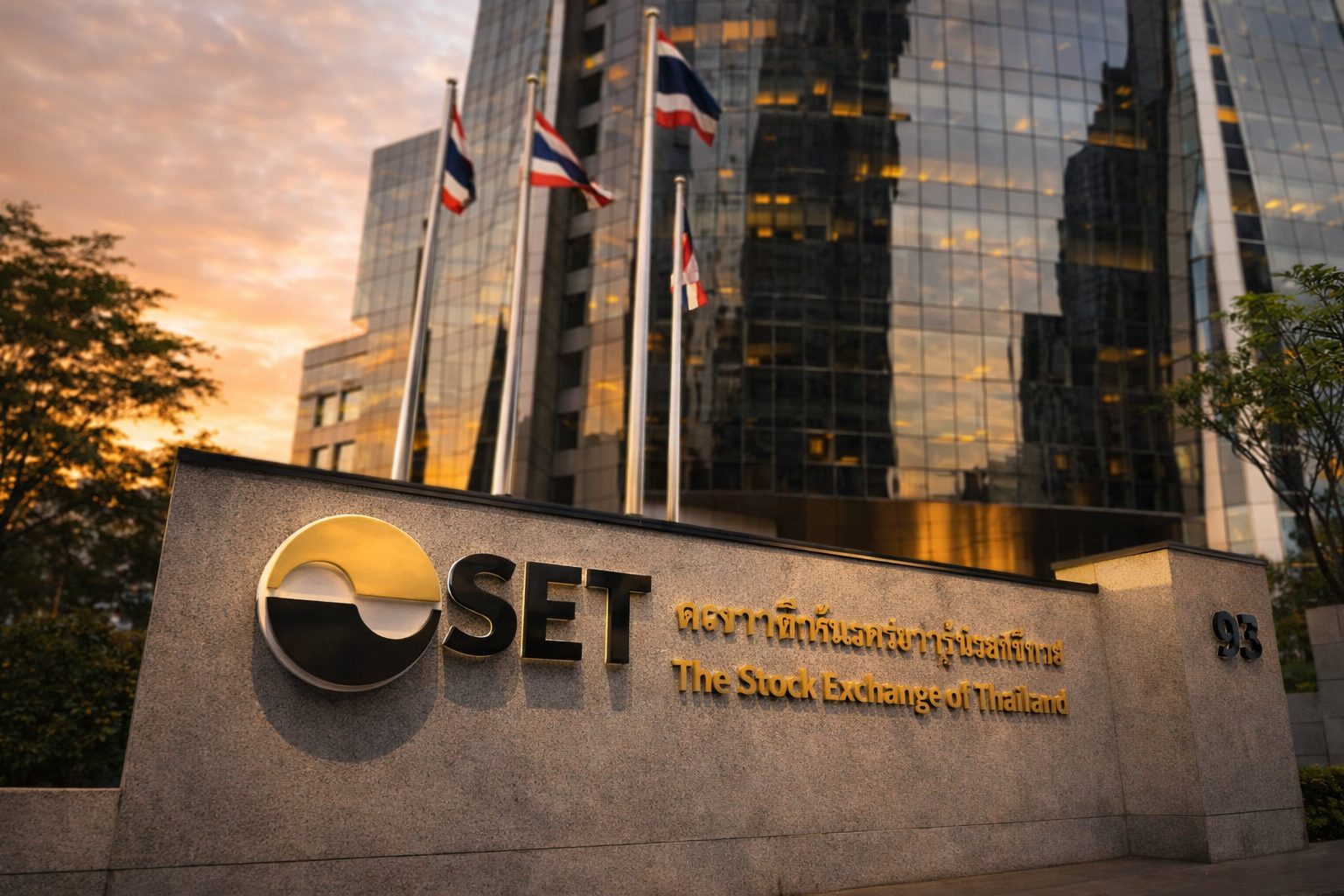
The SET index in Thailand closed out Friday at 1,410.37, slipping 0.49% for the session and tumbling nearly 7.7% from last Friday’s finish of 1,528.26. Just four sessions, but a bruising stretch for local equities as the Middle East oil shock dampened sentiment. Turnover reached 62.9 billion baht.
Thailand’s pullback stands out—it was one of the few Asian markets pulling in foreign cash. In February, the country attracted $1.75 billion in overseas flows, Reuters reported, citing LSEG numbers. But by Friday, the Stock Exchange of Thailand showed foreigners had dumped a net 6.63 billion baht.
Markets reversed course shortly after the Bank of Thailand slashed its policy rate to 1.0% on Feb. 25—the lowest level seen in over three years. Political tensions eased as the election commission certified 499 out of 500 seats on March 4, opening the door for parliament to assemble and a new administration to take office in April. Following the rate decision, Assistant Governor Don Nakornthab said the central bank stood “ready to reduce rates” again if the situation shifted. But as investors waited to see if more support would materialize, oil prices spiked, limiting further moves. Reuters
Thailand faces particular pressure from the energy crunch. DBS economist Radhika Rao noted the country’s oil trade balance stands out as one of the “most adverse” in the ASEAN-6, adding that oil price spikes typically filter through to Thai inflation without much delay. ING analysts, for their part, also singled out Thailand as one of the emerging markets at highest risk if crude prices remain elevated. Reuters
The week’s trading ran choppy. The SET tumbled 4.04% on March 2, paused on March 3 for Makha Bucha Day, then dropped another 5.58% on March 4. A 2.36% bounce followed on March 5, but Friday saw losses resume.
Thailand took the hardest hit among emerging markets on March 4, slumping 7.7% at one point during the session, Reuters reported. Japan’s Nikkei shed 3.7%, while Taiwan’s main index dropped 3.6%. “Asian markets may remain under pressure” as the Middle East conflict weighs on sentiment, said Dat Tong, senior financial markets strategist at Exness. Reuters
Tension had begun to hit Thai industry. On Friday, Reuters said Rayong Olefins—a Siam Cement Group subsidiary—invoked force majeure, citing the Middle East conflict as the reason for the contract disruption.
SET remains up 11.96% for the year, according to exchange data, despite the recent pullback. Losses from the week took a bite out of returns following the election result and the rate cut, but gains are still intact.
Oil and shipping remain the big wildcards. Goldman Sachs put out a note Friday warning crude prices could break $100 a barrel as soon as next week if Strait of Hormuz shipments don’t recover. Brent just pushed past $90—nearly a 30% surge this week alone. Should things escalate, Thursday’s rebound might prove to be just a breather, not the bottom.