
London, March 13, 2026, 13:13 GMT
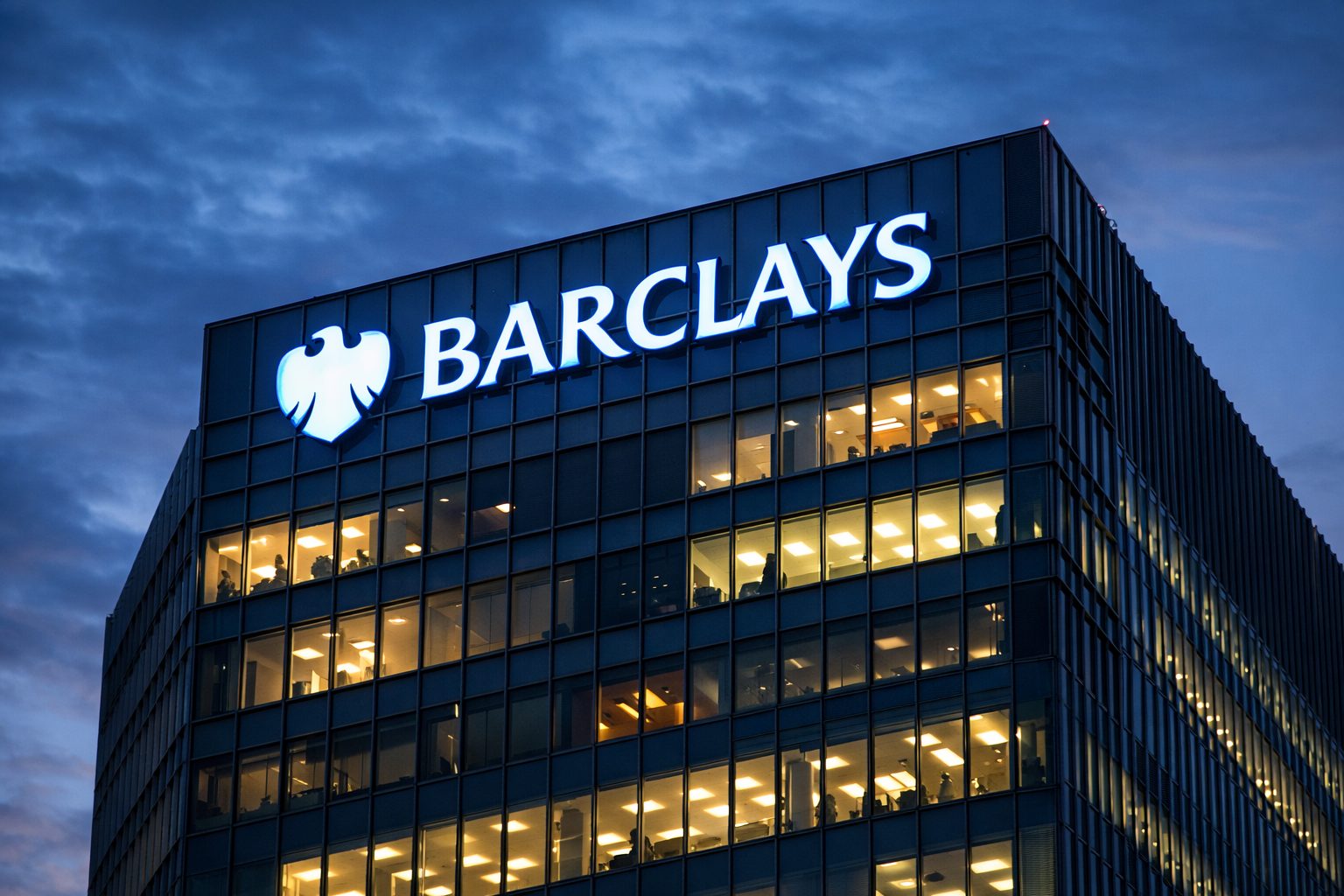
Barclays dropped another 1.7% to 382.75 pence by 0918 UTC on Friday, deepening Thursday’s 5.1% loss. UK bank shares took a hit as January growth data showed the economy flatlining, while brokers delayed their bets on Bank of England rate cuts.
This is a key point for Barclays, which just finished an attempt to recast its equity narrative. Back on Feb. 10, the lender bumped up its targets, after reporting pretax profit for 2025 at 9.1 billion pounds, and announced plans to hand more than 15 billion pounds to shareholders over 2026 to 2028.
Higher rates alone aren’t the whole story. When sticky inflation—driven by expensive oil—keeps borrowing costs elevated, and not solid growth, investors turn cautious. The focus shifts from improved margins to concerns over sluggish activity and a possible uptick in bad loans.
BofA now expects the Bank of England’s first rate cut in June, pushing back its previous March forecast. Andrew Wishart at Berenberg predicted “the renewed risk of persistent inflation will lead the Monetary Policy Committee to vote 8-1 in favour of a hold rather than a cut” when they meet on March 19. Reuters
Barclays isn’t at the top of the list for Middle East exposure. According to J.P. Morgan, Barclays, Santander, BNP Paribas, and Deutsche Bank each generate less than 1% of their revenue and profit from the region. By contrast, HSBC and Standard Chartered have the highest exposure, and both have already taken a hit as Gulf operations feel the impact of the conflict.
Still, Barclays shares have turned into a go-to for investors looking to trim exposure to UK banks. The stock slid Thursday, finishing almost 30% under its March 2 high of 5.54 pounds. Volume hit 62 million shares—well above the 50-day average.
Barclays is adding fuel to the inflation discussion. Last week, the bank flagged Brent possibly pushing up to $120 a barrel if the conflict drags on for a few more weeks. In a sharper scenario, it even mapped out a path to $150.
Things could get choppier from here. “We think the increased economic uncertainty could imply some additional risks related to the Groups’ trade finance and credit costs,” Morningstar’s Kathy Chan pointed out. Berenberg’s Jonathan Stubbs flagged “a prolonged closure and persistently high energy prices pose the real risk.” Disruptions might also drive up demand for foreign exchange and cash-management services, according to Hargreaves Lansdown’s Matt Britzman. But right now, Barclays seems to be trading with the rest of the bank sector, its capital-return angle taking a back seat. Reuters