
SANTA CLARA, Calif., April 9, 2026, 09:13 PDT
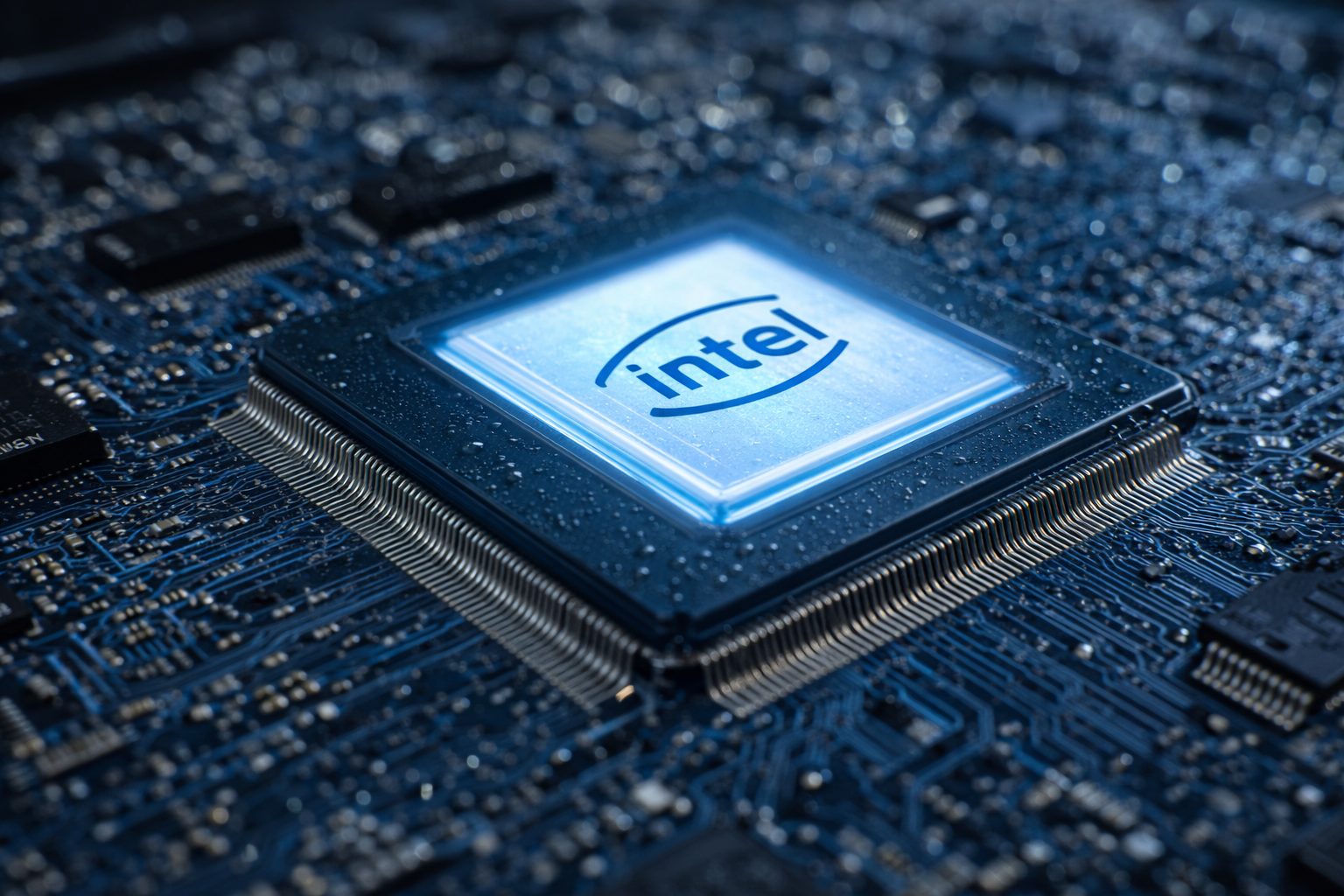
Google on Thursday expanded its AI infrastructure collaboration with Intel, committing to continued use of Intel Xeon chips—including the latest Xeon 6—in segments of its cloud network. The companies also plan to broaden their efforts on custom infrastructure chips. Intel shares climbed 2.3% to $60.33 in morning trading.
The key point right now: AI investment is moving away from just training massive models and turning toward inference—the phase where those models handle live data—and toward more complex agentic systems handling multi-step jobs. This pivot is putting CPUs back in the spotlight inside data centers. Ben Bajarin at Creative Strategies told Reuters these workloads are increasingly, and sometimes mainly, running on CPUs.
Intel noted Google Cloud is currently running Xeon chips in its C4 and N4 instances. Looking ahead, both firms plan to keep working together on several upcoming Xeon generations, aiming at better performance, lower energy use, and more efficient total cost of ownership. Bloomberg also reported that Google has agreed to use future generations of Xeon processors and additional chips.
Both firms are stepping up development of IPUs, or infrastructure processing units—these chips handle networking, storage, and security chores, freeing up the CPU for heavier AI workloads. “Scaling AI requires more than accelerators – it requires balanced systems,” Intel Chief Executive Lip-Bu Tan said. Intel Corporation
Google echoed that sentiment. Amin Vahdat, senior vice president and chief technologist for AI infrastructure, pointed out that CPUs and infrastructure acceleration are still at the core “from training orchestration to inference and deployment.” He described Intel as a “trusted partner for nearly two decades.” Intel Corporation
Investors took the news as fresh fuel for Intel’s rally. According to MarketWatch, the chipmaker had put together a seven-session winning streak through Wednesday, gaining 47.5% along the way. Barron’s calculated a 43% jump across six sessions, with shares close to a five-year peak before Thursday’s bell.
The AI infrastructure scramble isn’t slowing down. Broadcom has inked a long-term agreement with Google to build and deliver upcoming versions of Google’s custom TPU AI chips through 2031, Reuters reported this week. Nvidia, meanwhile, has been highlighting for investors that CPUs are making a comeback as AI buyers move their focus from training models to rolling them out.
But the bullish scenario isn’t fully locked in. Back in January, Intel admitted it was surprised by surging AI demand for server CPUs, with factories maxed out. Bernstein, meanwhile, flagged at the time that Intel had misread the server cycle. If those production snags drag on, Google’s endorsement might bolster confidence in Intel’s strategy—just don’t count on it to translate into immediate sales growth.
Still, Thursday’s agreement puts a real win on the board for Intel: a hyperscale name publicly tied to multiple future Xeon lines, just as the company fights to reestablish its AI infrastructure chops. The announcement follows Intel’s commitment to Elon Musk’s Terafab initiative with SpaceX and Tesla, and its move to take full control of its manufacturing plant in Ireland—each effort pointing to Intel’s scramble to turn AI hype into lasting server-chip sales.