
Cupertino, California, April 20, 2026, 06:32 PDT
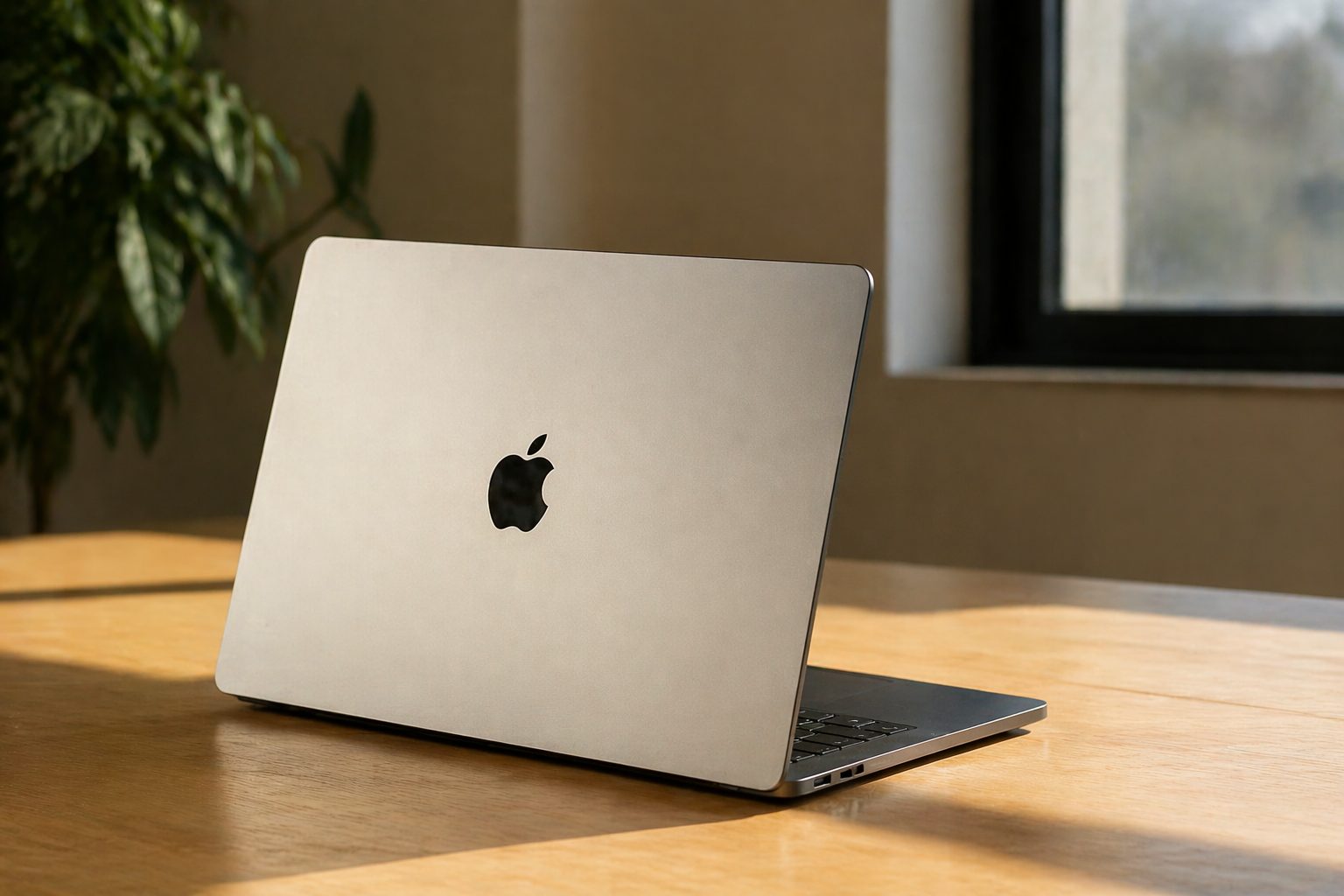
Apple might have to push back the release of its upcoming Mac Studio and the anticipated touchscreen MacBook Pro, Bloomberg’s Mark Gurman reported, citing several tech outlets. The culprit: a global memory crunch is starting to disrupt Apple’s Mac product schedule.
The delay is significant: Apple’s premium Macs depend on hefty amounts of RAM—random-access memory that computers use for short-term data crunching and running software. Now, with AI server buyers snapping up those chips, supply’s gotten squeezed, and devices requiring a lot of memory are feeling the pinch first.
Gurman had tipped a Mac Studio refresh for mid-2026, but now Apple insiders are looking at an October ship date instead, according to MacRumors. That same piece notes the 14-inch and 16-inch MacBook Pro models with touch screens are drifting toward the later end of their late-2026 to early-2027 release window—with early 2027 currently favored.
This isn’t just about timing for Apple. The Mac Studio targets developers, video editors, and other professionals. Reports point to a refresh that would bring in the M5 Max and M5 Ultra chips. Officially, Apple hasn’t confirmed new models yet.
Signs of strain have surfaced in the current Mac lineup. Earlier this month, Apple’s U.S. online store marked certain Mac mini models—those with 32GB or 64GB of RAM—and Mac Studio builds featuring 128GB or 256GB of RAM as “currently unavailable.” According to MacRumors on April 11, select other models are showing delivery times stretched out to one to three months. MacRumors
According to AppleInsider, which referenced Bloomberg, Apple has so far handled the industry-wide RAM and SSD crunch more smoothly than most rivals. Still, the ongoing shortage forced the company to halt sales of specific Mac models. SSDs—solid-state drives—are the chips that store data even when the computer’s turned off.
Apple’s next MacBook Pro won’t just be another minor refresh—this one’s shaping up to be a bigger redesign. According to 9to5Mac, look for an OLED display, touchscreen, and the latest M6 Pro and M6 Max chips. Plus, macOS 27 is reportedly in line for updates that should tweak the interface for better touch usability.
The Mac Studio delay looks pretty straightforward this time. According to 9to5Mac, the machine is now offered with M3 Ultra and M4 Max options, but shipping times have stretched out and certain versions aren’t available. Gurman now expects the new model in October, missing the initial mid-year window.
Apple isn’t the only one feeling it. Meta is bumping up prices on its Quest 3 headset by $100 and both Quest 3S versions by $50, citing what it calls a “global surge” in memory-chip prices. That squeeze is trickling down to consumer electronics, VR gear included. The Verge
Microsoft bumped up prices for its Surface PCs, blaming “recent increases in memory and component costs,” according to MacRumors. That same piece flagged Samsung, which lifted prices on certain smartphones and U.S. tablets, as chipmakers steer more memory toward AI data centers. MacRumors
Raspberry Pi, which hasn’t escaped the supply squeeze, bumped up prices on over a dozen of its computers—some rising by as little as $11.25, others by as much as $150, according to The Verge. CEO Eben Upton promised the company would roll back the hikes once things stabilize, though he cautioned that the market is still “challenging.” The Verge
For Apple, the big worry is that the shortage could drag on past the very product cycle it aims to shield. MS Hwang at Counterpoint Research, quoted by Gizmodo, put it bluntly: “Supply and demand won’t normalize until 2028.” Nikkei Asia, meanwhile, pegged the gap at 40% between available memory supply and what’s needed. Gizmodo
The timing remains fluid. Apple hasn’t officially acknowledged either the new Mac Studio or a touchscreen MacBook Pro, and supply-chain chatter often shifts fast—if component allocations ease, demand dips, or Apple redirects attention to its bigger-selling MacBook lines, that could all alter the picture.