
LONDON, April 20, 2026, 09:45 BST
- Wind power installations worldwide climbed to a record 165 gigawatts in 2025, though that still falls short of what’s needed to hit 2030 climate goals.
- Battery storage agreements surfaced in Europe, Australia, and New Zealand, with local grids taking on greater volumes of wind and solar power.
- Transport policy took a turn too. Vietnam is looking to lengthen electric-vehicle tax breaks, while Indonesia is holding discussions with Toyota about bioethanol.
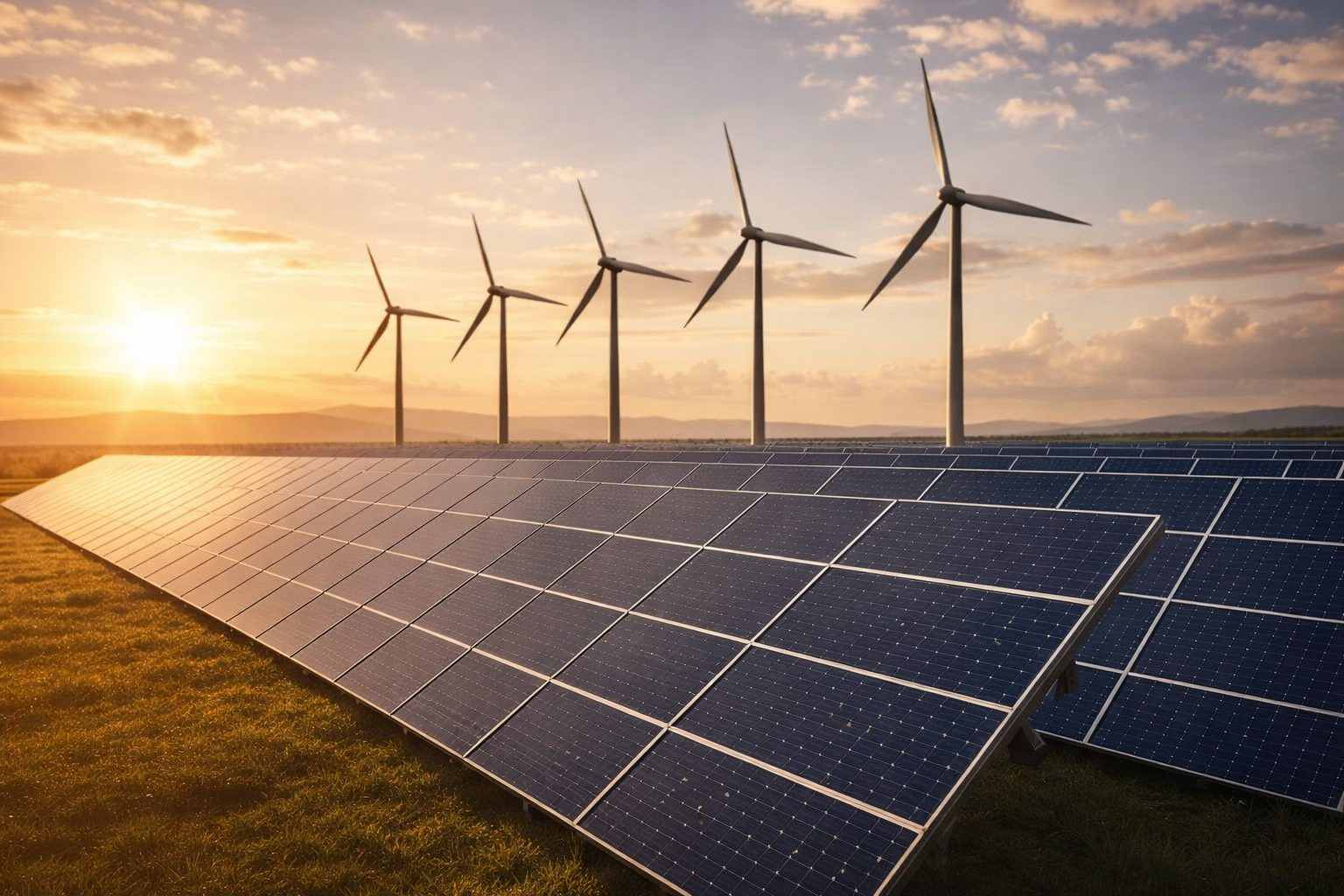
Wind power additions worldwide soared to 165 gigawatts last year, up 40% from 2024, according to a Monday report from the Global Wind Energy Council. China contributed a hefty 120.5 GW of that new capacity. The global installed base now stands just shy of 1.3 terawatts.
This figure is drawing attention as power demand ticks up and policymakers renew their focus on substitutes for unpredictable fossil fuels. Nearly half of the world’s electricity capacity came from renewables last year, according to Reuters, and with Middle East tensions pushing oil and gas prices higher, the hunt for local energy options has intensified.
Still, the record doesn’t quite measure up. The International Renewable Energy Agency points to a need for roughly 320 GW of new wind installations annually to keep pace with the global target of tripling renewables by 2030. GWEC, for its part, projects 969 GW added from now through 2030—translating to about 194 GW per year.
Storage emerged as a key focus. The European Bank for Reconstruction and Development announced a loan of 70 million euros, contributing to a total financing of 210 million euros for Renalfa IPP vehicles. These funds are set to back a 450 MW solar photovoltaic portfolio paired with a 250 MW/1 GWh battery energy storage setup in northeastern Hungary. The bank described the project as one of Central and Eastern Europe’s first utility-scale hybrid renewable assets to be structured with project financing.
ILOS Projects in Germany increased its structured credit line with EIG and La Caisse to 450 million euros, aiming to ramp up solar and battery storage projects around Europe. The company expects this funding will support development and operation of over 2 GW of solar and battery assets by 2028, focusing especially on Germany, Britain, Ireland and Italy.
Poland is moving ahead with more storage, as Green Capital has tapped Electrum to construct an 80 MW/320 MWh battery energy storage system in Lower Silesia. Construction is slated to begin in the second quarter of 2026, with the system scheduled to come online by the third quarter of 2027.
Pacific Energy landed a deal outside Europe to supply 33.5 MW/81 MWh of battery storage to Territory Generation in Australia’s Northern Territory. The batteries will be installed at gas-fired plants in Alice Springs and Darwin-Katherine. Chief Executive Mike Hall described the initiative as a move to “unlock more solar generation for the Territory” without sacrificing grid reliability. Renewables Now
Genesis Energy has signed off on a final investment decision for the second stage of its Huntly battery project, adding 100 MW/200 MWh. The move will double the site’s battery capacity to 200 MW/400 MWh—enough to power roughly 120,000 homes for two hours—at a projected price tag of around NZ$106 million, the New Zealand utility said.
Technology suppliers kept busy. BloombergNEF picked 12 companies for its 2026 Pioneers award—among them, Emerald AI, HT Materials Science, and Point2 Technology, all working on data-centre infrastructure. That area is feeling the strain as artificial intelligence drives up electricity use. Selection committee co-chair Claire Curry, also global head of Technology, Industry & Innovation research at BloombergNEF, noted that energy tech now faces a tough set of challenges: cutting emissions while meeting higher demand, keeping supplies secure, and managing costs.
Vietnam is looking to push its special consumption-tax break for electric vehicles out to 2030, according to its parliament office. The tax incentive appears to have fueled a surge in EV sales, which jumped from just under 7,000 in 2022 to almost 175,000 last year, Reuters noted. Over in Indonesia, officials are in discussions with Toyota Motor Asia about a potential $200 million to $300 million bioethanol plant in Lampung province.
Risks came into sharp focus. After assessing both grid-connection prospects and the project’s economics, RWE shelved its planned 99.9 MW solar-plus-storage facility near Wrexham, Wales. Still, the company emphasized that UK battery storage projects remain a core part of its approach. That’s the bottom line running through Monday’s flurry of green-energy technology headlines: surging investment and record construction can’t sweep away old hurdles — permitting snags, grid bottlenecks, project returns.