
LONDON, April 20, 2026, 09:44 BST
- Omdia sees AMOLED smartphone display shipments dipping 7% to 778 million units in 2026, with higher memory prices pressuring demand.
- 5G hit the 3 billion global connections mark in 2025, yet telecom operators continue to push for stronger returns on their network investments.
- Samsung’s Galaxy Z TriFold, released in limited quantities, has already sold out. Chinese manufacturers are set to debut more foldables and gaming phones this week.
Memory costs keep climbing, and that’s turning up the heat for mobile tech players. Now, Omdia projects AMOLED smartphone display shipments will dip to 778 million units in 2026—a 7% slide from the year before. AMOLED, found in a wide range of mid-tier and premium devices, isn’t escaping the crunch. Phone makers are pulling back on product launches and scaling down component orders as they grapple with tighter budgets.
Timing is key here, with the smartphone market already on the back foot. Earlier this month, Reuters noted a 6% drop in global smartphone shipments for the first quarter—even as Apple claimed the top spot in Q1 for the first time, boosted by robust supply chains and solid demand out of China. Counterpoint’s Shilpi Jain pointed to memory suppliers “prioritizing AI data centers” instead of consumer electronics as a factor behind the dip. Reuters
The next few months could hinge less on flashy upgrades and more on which players can handle higher expenses. Omdia points out that Chinese smartphone makers—known for broad product lineups and sharp pricing—are feeling the squeeze. “Weakening demand from Chinese smartphone brands” is weighing on the display market, said Brian Huh, principal analyst at Omdia, even as Apple’s footing appears more solid. Omdia
Samsung has staked its claim in the foldable segment, but also hit pause. The Galaxy Z TriFold, described on its U.S. site as a “limited-run” release, is now “completely sold out.” Shoppers landing on the product page get redirected to the Galaxy Z Fold7 or Galaxy S26 Ultra instead. Samsung touts the TriFold as its first three-panel Galaxy phone, equipped with a 10-inch main display, two hinges, and a 200-megapixel camera. Samsung pl
That rapid sellout isn’t direct evidence of broad demand. This was a pricey, niche item with only so many available. Still, it’s clear why firms like Samsung and Huawei keep experimenting with form factors: the slab phone has hit maturity, and high-end customers want something to justify an upgrade.
China’s lineup for the week looks crowded. Beebom notes Huawei’s Pura X Max and Pura 90 Pro series are scheduled to debut April 20. The following day, Oppo rolls out the Find X9 Ultra, Find X9s Pro, and Xiaomi’s Redmi K90 Max. Motorola and Honor also have launches slotted for the coming days.
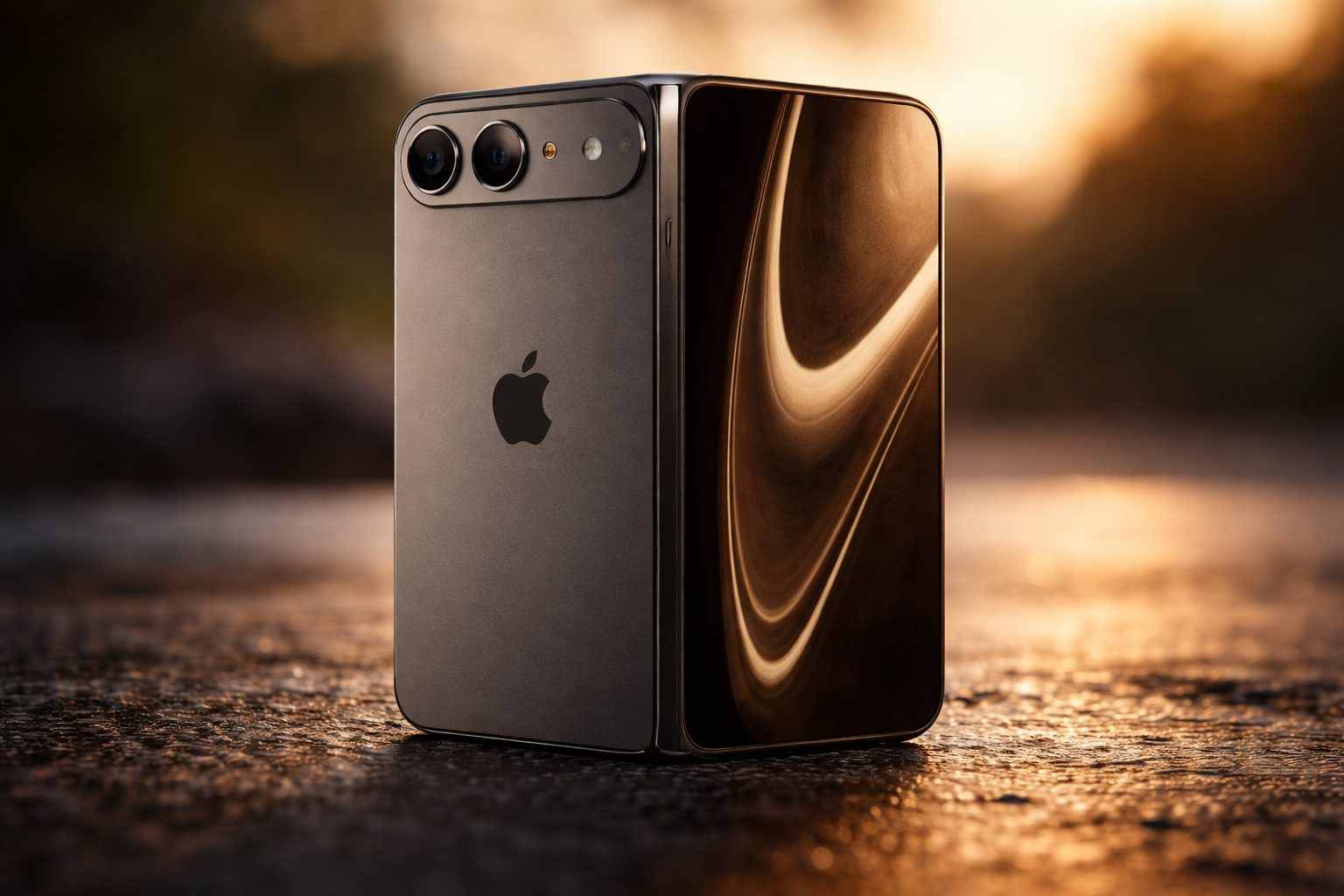
The launches have turned up the heat on Samsung and Apple, but not in the same way. Huawei is doubling down on foldables and camera-centric models at home in China. Oppo has its sights set on expanding the reach of its Ultra flagship, while Xiaomi’s Redmi line is packing in gaming-centric tweaks like bigger batteries and fast-refresh screens. Apple, for its part, still hasn’t revealed a foldable iPhone.
At first glance, the network segment is putting up robust numbers. According to Omdia, global telecom connectivity revenue hit $1.3 trillion in 2025, a 4% increase. 5G connections jumped 34% to reach 3 billion. Asia made up 69% of all 5G connections worldwide, Omdia noted.
The real sticking point is returns. Ari Lopes, who leads service provider markets at Omdia, says telecoms’ core business is still “highly relevant,” but growth just isn’t there, and operators haven’t yet unlocked significant gains from fresh tech investments. Capital spending slipped 2% in 2025, landing at $303 billion, Omdia data show. Omdia
Regulation is making noise again in the mobile sector. A surge of online chatter around EU battery rules recently brought repairability issues back to the fore, though the actual guidelines from the European Commission are narrower: devices like smartphones and tablets sold in the EU must comply with ecodesign benchmarks for durability, battery longevity, spare parts access, and repairability ratings. Specifically, batteries on these devices need to handle at least 800 charging cycles while holding 80% of their original capacity. Key spare parts? They have to stay available for seven years after a model exits the EU market.
That could shake up phone design, though it doesn’t mean manufacturers will just slap pop-off backs on every iPhone, Galaxy or Pixel. As Vishal Mathur, technology editor at Hindustan Times, pointed out Monday, the EU’s rule focuses on “easily replaceable batteries,” not forcing a comeback for classic removable packs. The bigger question, he said, is whether replacement parts will actually remain affordable. Hindustan Times
It’s a straightforward threat for the industry. Persistent memory price hikes—if consumers push back against pricier phones—could force Android brands to compromise on displays, hold back new launches, or scale down shipments. Apple and Samsung might pick up market share, though even those two aren’t insulated if shoppers start holding onto devices longer. At this point, the focus in mobile tech isn’t just about a flashy new handset; it’s about mounting pressure across the entire phone sector.